
Stock Trading Software That Helps You Stay Ahead Of Market Trends

Financial markets move at lightning speed. Prices shift in seconds, trends emerge before most investors notice, and opportunities vanish just as quickly as they appear. In this fast-paced environment, stock trading software has become more than a convenience—it’s a critical tool for traders who want to anticipate movements rather than react to them. With advanced analytics, artificial intelligence, real-time data feeds, and automation capabilities, modern trading platforms empower investors to make smarter, faster, and more informed decisions.
TLDR: Stock trading software helps investors stay ahead of market trends through real-time data, technical indicators, AI-driven insights, and automation tools. The best platforms combine charting, alerts, algorithmic trading, and news analysis into a single dashboard. By using the right software, traders can identify patterns early, reduce emotional decisions, and respond instantly to market shifts. Choosing the right tool depends on your experience level, strategy, and need for customization.
Why Staying Ahead of Market Trends Matters
Markets reward those who recognize patterns before they become obvious. Waiting for headlines often means arriving late to the move. Successful traders rely on data interpretation, trend analysis, and predictive insights to gain an edge.
Modern stock trading software helps by providing:
- Real-time price feeds with minimal latency
- Advanced charting tools for technical analysis
- Custom alerts for price levels, volume spikes, or news
- Backtesting capabilities to validate strategies
- Automated trading systems for rapid execution
Instead of manually scanning dozens of charts, traders can rely on intelligent dashboards that consolidate and interpret information instantly.
Core Features That Drive Smarter Decisions
1. Advanced Charting and Technical Indicators
Charting tools lie at the heart of every trading platform. Look for software that offers:
- Multiple time frame analysis
- Indicators such as RSI, MACD, Bollinger Bands, and Moving Averages
- Drawing tools for support and resistance levels
- Volume analysis overlays
The ability to layer multiple indicators helps traders confirm signals and reduce false breakouts. Modern platforms also allow custom indicator scripting for advanced strategies.
2. Artificial Intelligence and Predictive Analytics
AI-driven trading tools use historical data and pattern recognition to highlight potential opportunities. These systems analyze thousands of variables simultaneously—something nearly impossible to replicate manually.
AI can assist with:
- Trend detection
- Sentiment analysis from news and social media
- Risk modeling
- Portfolio optimization
While AI does not guarantee profits, it dramatically improves the speed and depth of market analysis.
3. Real-Time Alerts and Notifications
Timing is everything in trading. Custom alerts notify users when:
- A stock hits a price threshold
- Unusual volume is detected
- Volatility spikes
- Breaking financial news is released
Mobile integration ensures traders remain connected even when away from their desks.
4. Automated and Algorithmic Trading
Automation removes hesitation from trading decisions. Once rules are defined, the system executes trades automatically when criteria are met. This helps:
- Reduce emotional bias
- Capitalize on short-lived price moves
- Maintain discipline
Algorithmic trading is especially valuable for day traders and swing traders who depend on precise timing.
Popular Stock Trading Software Platforms Compared
Below is a comparison chart highlighting several widely used trading platforms and their strengths.
| Platform | Best For | Key Features | Skill Level |
|---|---|---|---|
| MetaTrader 5 | Algorithmic traders | Advanced charting, automated bots, multi asset support | Intermediate to Advanced |
| TradingView | Technical analysis | Cloud based charts, social insights, custom indicators | Beginner to Advanced |
| Thinkorswim | Active traders | Professional tools, paper trading, in depth analytics | Intermediate |
| E Trade Pro | Frequent investors | Streaming quotes, customizable dashboards | Beginner to Intermediate |
| TrendSpider | AI enhanced analysis | Automated trendlines, pattern recognition, backtesting | Intermediate to Advanced |
Each platform provides unique advantages. Some specialize in automation, while others excel at visualization and community insight sharing.
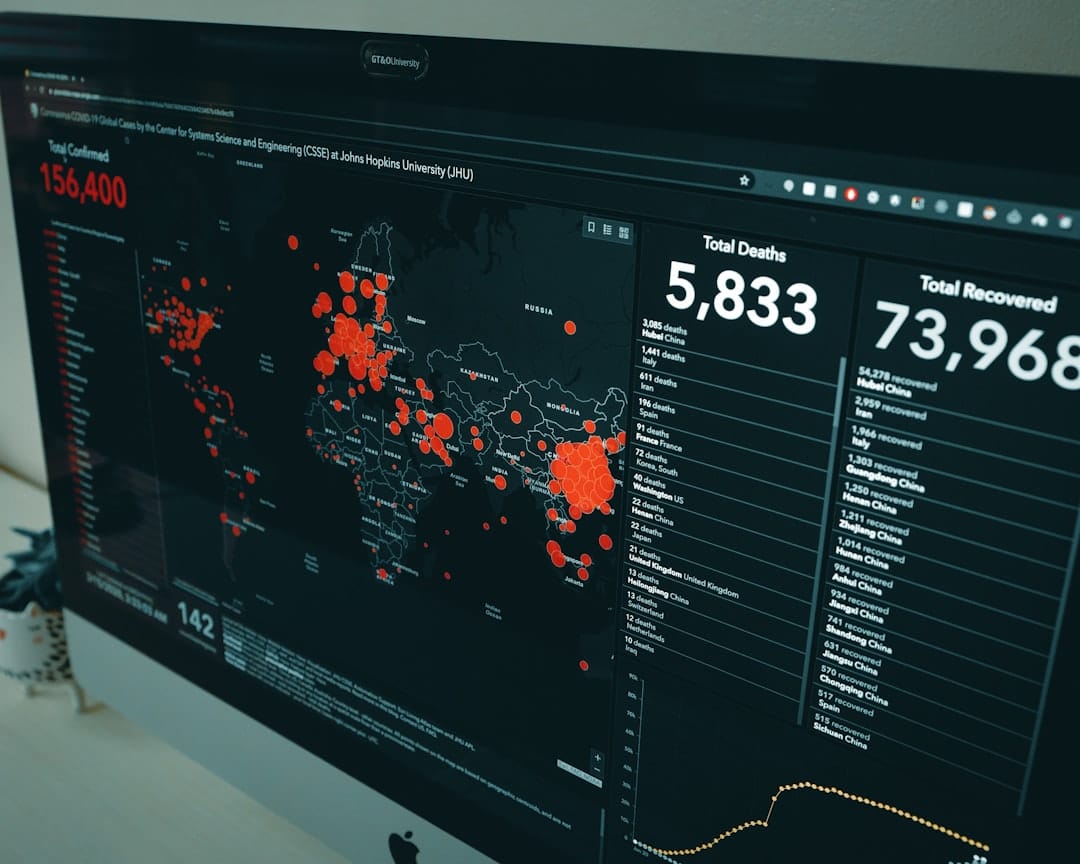
How Trading Software Identifies Emerging Trends
Trend recognition relies on a combination of mathematics, probability, and behavioral analysis. Software enhances this process through:
Pattern Recognition Algorithms
Advanced systems detect chart formations such as head and shoulders, triangles, and flags automatically. Traders no longer need to manually scan every chart.
Volume and Momentum Tracking
Volume often precedes price movement. When accompanied by momentum indicators, traders gain early confirmation of breakouts or reversals.
Sentiment Analysis
Some platforms analyze financial headlines, earnings releases, and social sentiment to gauge broader market mood. Sudden shifts in sentiment can signal upcoming volatility.
Backtesting Engines
Backtesting enables users to simulate how strategies would have performed in past conditions. This improves confidence and highlights weaknesses before real capital is deployed.
Benefits of Using Stock Trading Software
Investors leveraging modern platforms often experience:
- Faster execution speeds
- Better risk management
- Improved analytical accuracy
- Reduced emotional decision-making
- Greater market coverage
For example, instead of tracking five stocks, traders can monitor entire sectors or indices simultaneously through screeners and heatmaps.
Key Considerations Before Choosing Software
Not every platform fits every trader. Before committing, consider:
Your Trading Style
- Day traders require ultra-fast execution and tick-level data.
- Swing traders prioritize trend analysis and chart clarity.
- Long-term investors benefit from portfolio analytics and fundamental research tools.
Customization Options
Look for platforms that allow personalized dashboards, indicator settings, and strategy scripting.
Learning Curve
Highly advanced platforms may overwhelm beginners. Many software providers offer demo accounts for practice.
Cost Structure
Prices vary from free versions with limited features to premium subscriptions offering institutional-grade tools. Evaluate whether additional features justify the investment.

The Future of Trading Technology
The evolution of trading technology continues at a rapid pace. We are seeing the integration of:
- Machine learning models that adapt to changing volatility
- Cloud computing for faster data processing
- Mobile-first platforms with full desktop functionality
- API integrations for custom algorithm deployment
Emerging technologies may soon include predictive risk simulations based on macroeconomic modeling and AI-generated portfolio adjustments in real time.
As competition increases, trading platforms are becoming more user-friendly while retaining institutional-level depth.
Staying Disciplined in a Data-Driven World
While software enhances decision-making, it does not eliminate risk. Traders must still develop:
- Clear entry and exit strategies
- Defined risk management rules
- Consistent position sizing
- Emotional control
The most successful investors treat trading software as a strategic partner rather than a magic solution. Tools provide data and execution—but discipline creates profitability.
Final Thoughts
Stock trading software has fundamentally changed the way investors interact with financial markets. With real-time analytics, AI-powered trend detection, and automated execution, traders can monitor vast amounts of data and respond to opportunities faster than ever before.
Whether you are a beginner exploring technical analysis or an experienced trader deploying algorithmic strategies, the right platform can significantly enhance your performance. In today’s competitive market landscape, staying ahead of trends is not about guessing—it’s about leveraging intelligent tools that transform raw data into actionable insight.
The future of trading belongs to those who combine technology with strategy.
