
How Trackable QR Codes Improve Customer Engagement
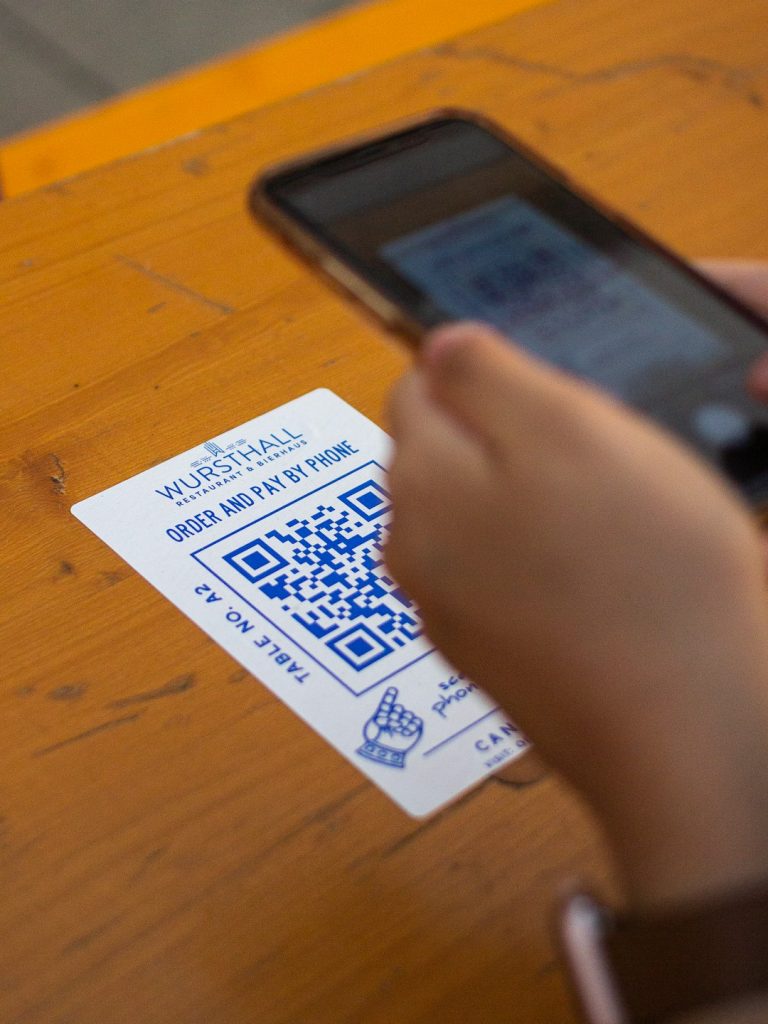
Customer engagement has become a measurable discipline, not a matter of guesswork. Businesses now need to understand who interacts with their campaigns, when those interactions happen, and what actions customers take afterward. Trackable QR codes help connect offline touchpoints with digital experiences, giving organizations a practical way to turn everyday materials into measurable engagement channels.
TLDR: Trackable QR codes improve customer engagement by making offline interactions measurable, personalized, and easier to optimize. They allow businesses to see which campaigns, locations, products, or messages are generating customer interest. With the right strategy, they can guide customers to relevant content, offers, forms, videos, support pages, or loyalty experiences while giving businesses reliable data for future decisions.

Why Trackable QR Codes Matter
A standard QR code simply sends a user to a fixed destination, such as a website or PDF. A trackable QR code, however, adds a layer of analytics. It records useful engagement data such as scan count, time of scan, broad location, device type, campaign source, and sometimes user journey behavior after the scan.
This matters because many customer interactions still begin offline. A customer may see product packaging, a poster, a restaurant table card, a brochure, a receipt, or an event badge. Without tracking, a business may never know whether these materials influenced customer behavior. With trackable QR codes, those physical assets become measurable digital entry points.
For serious customer engagement strategies, measurement is essential. If a business cannot identify what attracts attention, it cannot confidently improve the customer experience. Trackable QR codes help close that gap by offering timely, actionable data.
They Connect Offline Interest to Online Action
One of the strongest benefits of trackable QR codes is their ability to connect a customer’s immediate offline interest with a relevant online action. A customer who is already looking at a product, menu, flyer, or advertisement is in a moment of attention. A well-placed QR code can help turn that attention into action.
For example, a product label can lead to:
- How to use videos
- Customer reviews and testimonials
- Warranty registration pages
- Ingredient, sourcing, or sustainability information
- Personalized discounts or loyalty signups
This creates a smoother experience because the customer does not need to search manually. The QR code removes friction. Instead of expecting customers to type a web address or browse through multiple pages, the business can guide them directly to the most useful destination.
That convenience improves engagement because customers are more likely to act when the path is simple, immediate, and relevant.
They Help Businesses Understand Customer Behavior
Customer engagement improves when businesses make decisions based on evidence. Trackable QR codes provide data that can answer important questions, such as:
- Which locations generate the most scans?
- Which printed materials are actually being used?
- What time of day are customers most likely to engage?
- Which product categories attract the most interest?
- Do customers scan more often after seeing a discount, instruction, or story?
This information can be especially valuable for campaigns that use multiple physical placements. A retail brand, for instance, might place QR codes on shelf displays, packaging, printed ads, and receipts. If the shelf display produces far more engagement than the printed ad, the business can adjust its budget and messaging accordingly.
Over time, these insights help organizations move from assumptions to informed action. That is the foundation of a more trustworthy and professional engagement strategy.
They Support Personalization
Modern customers expect relevant experiences. They are less likely to engage with generic content that does not reflect their needs, location, or stage in the buying journey. Trackable QR codes can support personalization by directing different audiences to different content and by helping businesses understand which experiences work best.
For example, different QR codes can be used for different:
- Store locations
- Customer segments
- Languages or regions
- Product lines
- Seasonal campaigns
- Events or trade shows
A restaurant could use separate trackable QR codes for dine-in menus, takeaway bags, loyalty offers, and customer feedback cards. Each code can lead to a different experience and provide separate performance data. This allows the restaurant to understand whether customers are more interested in ordering again, leaving feedback, joining a loyalty program, or exploring special offers.
Personalization does not have to be complicated. Even a simple distinction between new customers and returning customers can make a campaign more effective. The key is to use QR codes intentionally, so each scan leads to content that matches the customer’s context.

They Improve Campaign Optimization
Traditional printed materials are difficult to change once distributed. If a brochure links to an outdated page or a campaign offer changes, businesses may need to reprint materials. Dynamic trackable QR codes solve this problem by allowing the destination URL to be changed without replacing the printed code.
This is a significant advantage for customer engagement. Businesses can test different landing pages, offers, messages, or calls to action and then update the destination based on performance. If one landing page has a higher conversion rate than another, the QR code destination can be adjusted accordingly.
This makes campaigns more flexible and less wasteful. It also reduces the risk of sending customers to outdated or irrelevant information. A reliable, current experience builds trust, while broken links or stale content can damage credibility.
For serious brands, this flexibility is not just convenient. It is a practical way to maintain quality control across physical and digital channels.
They Create Better Customer Feedback Loops
Customer feedback is essential, but many businesses struggle to collect it at the right time. Trackable QR codes make feedback collection more immediate and accessible. A QR code placed on a receipt, table card, product insert, or service document can lead directly to a short survey or review form.
The timing is important. Customers are more likely to provide useful feedback when the experience is still fresh. A hotel guest may scan a code in the room to report an issue. A restaurant customer may scan a code after a meal. A buyer may scan a packaging insert after using a product for the first time.
Because the QR code is trackable, the business can measure which placements generate the most responses. This helps refine the feedback process. If customers are not scanning a code on a receipt but are scanning a table card, the business can focus on the placement that works.
Effective feedback loops show customers that their opinions matter. When businesses respond to concerns, improve services, or acknowledge positive experiences, engagement becomes more than a transaction. It becomes a relationship.
They Strengthen Loyalty and Retention
Customer engagement is not only about attracting attention. It is also about encouraging repeat interaction. Trackable QR codes can support loyalty programs by making enrollment and participation easier.
For example, a QR code can lead customers to:
- Join a rewards program
- Claim points after a purchase
- Access member-only offers
- Receive personalized recommendations
- Register for events or product updates
The tracking data can show which loyalty incentives are most effective. If customers frequently scan codes for exclusive discounts but rarely scan codes for newsletters, the business can adjust its retention strategy. This helps avoid wasting effort on tactics that do not motivate customers.
A well-executed QR experience can also make customers feel recognized. When the scan leads to a useful reward, clear benefit, or relevant next step, the customer has a reason to keep engaging with the brand.
They Make Events More Interactive
Events are an ideal environment for trackable QR codes. Attendees often move between booths, sessions, product demonstrations, and networking areas. QR codes can make these moments more interactive while collecting valuable engagement data.
At an event, QR codes can be used for:
- Session check-ins
- Speaker profiles
- Product brochures
- Lead capture forms
- Live polls
- Post-event surveys
- Exclusive content downloads
Instead of handing out printed materials that may be discarded, businesses can guide attendees to digital resources that are easier to update and measure. This also gives event teams a clearer view of attendee interests. If many people scan a code for a specific product demo, that may indicate strong demand or sales potential.
Trackable QR codes can also improve follow-up. Sales or marketing teams can prioritize leads based on the content people engaged with, creating more relevant and respectful communication after the event.

They Build Trust Through Transparency
Trust is a central part of engagement. Customers are more likely to interact when they understand what they are scanning and why. A QR code should never feel mysterious or risky. The call to action should be clear, and the destination should match the customer’s expectation.
For example, instead of placing a code with no explanation, a business should use specific text such as:
- Scan to view product details
- Scan to register your warranty
- Scan to claim your reward
- Scan to leave feedback
This clarity improves scan rates and reduces hesitation. Customers want to know that the interaction is legitimate and useful. Businesses should also ensure that QR destinations are mobile-friendly, secure, and professionally presented.
Where personal data is collected, privacy should be handled carefully. Businesses should explain what information is collected and how it will be used. Responsible data practices are essential for preserving customer confidence.
Best Practices for Higher Engagement
Trackable QR codes work best when they are part of a thoughtful engagement strategy. Simply placing a code on a poster is not enough. The customer needs a compelling reason to scan, and the post-scan experience must deliver value.
Important best practices include:
- Use a clear call to action: Tell customers exactly what they will receive after scanning.
- Offer real value: Provide useful information, savings, convenience, entertainment, or support.
- Make the landing page mobile-friendly: Most scans happen on smartphones, so the experience must load quickly and display properly.
- Place codes where attention is high: Packaging, point-of-sale displays, menus, receipts, and event signage often perform well.
- Test before publishing: Confirm that the code scans easily, the link works, and the destination is correct.
- Review analytics regularly: Use scan data to improve messaging, placement, and offers.
- Respect privacy: Collect only necessary data and be transparent with customers.
These practices help ensure that the QR code feels like a helpful service rather than a marketing gimmick.
Common Mistakes to Avoid
While trackable QR codes are powerful, poor execution can weaken customer engagement. One common mistake is linking to a generic homepage. This forces the customer to search again, which defeats the purpose of the scan. A better approach is to send users to a specific, relevant landing page.
Another mistake is using QR codes without context. If customers do not understand the benefit, they are unlikely to scan. Businesses should also avoid placing codes in locations where scanning is inconvenient or unsafe, such as fast-moving vehicles or hard-to-reach surfaces.
Finally, businesses should not collect data without a clear purpose. Tracking should support better customer experiences, not simply accumulate numbers. The most useful analytics are those that lead to practical improvements.
Conclusion
Trackable QR codes improve customer engagement by making interactions easier, more relevant, and measurable. They help businesses connect physical materials to digital experiences, understand customer behavior, personalize communication, gather feedback, and optimize campaigns over time.
When used responsibly, they offer a dependable bridge between offline attention and online action. Their value is not only in the scan itself, but in what happens afterward: a smoother customer journey, better business insight, and a stronger basis for long-term relationships.
For organizations that want to engage customers seriously and intelligently, trackable QR codes are no longer just a convenience. They are a practical tool for building measurable, responsive, and trustworthy customer experiences.
