
Investment Management Software Comparison: 8 Best Wealth Management Platforms

Investment firms, RIAs, family offices, and private banks increasingly rely on investment management software to consolidate data, monitor portfolios, automate reporting, and improve client communication. The best wealth management platforms differ widely: some excel at complex portfolio accounting, while others focus on financial planning, client portals, trading, CRM, or alternative investment reporting.
TLDR: The best platform depends on firm size, asset complexity, reporting needs, and advisor workflow. For example, a 12-advisor RIA managing $850 million in AUM may prioritize Orion or Tamarac for rebalancing and billing automation, while a multi-family office with 40% alternative assets may prefer Addepar. Firms comparing platforms should evaluate integration depth, reporting flexibility, implementation time, and total cost of ownership before choosing.
How Investment Management Software Is Compared
When comparing wealth management platforms, firms usually review several practical factors. These include portfolio accounting accuracy, data aggregation, reporting customization, trading tools, compliance features, planning modules, CRM connectivity, and client experience. A smaller advisory practice may value ease of use and fast onboarding, while an institutional wealth manager may require sophisticated permissions, alternative asset support, and multi-entity reporting.
No single platform is the best for every firm. The strongest choice is usually the one that matches the firm’s investment process, client base, service model, and operational capacity.

Investment Management Software Comparison: 8 Best Wealth Management Platforms
1. Addepar
Best for: family offices, private banks, and firms managing complex portfolios.
Addepar is known for powerful data aggregation and reporting across public markets, private equity, hedge funds, real estate, and other alternative assets. It is particularly strong for firms that manage ultra-high-net-worth clients with multi-custodian, multi-currency, and multi-entity structures.
- Key strengths: advanced reporting, alternative asset tracking, ownership structures, custom analytics.
- Limitations: implementation can be more involved than lighter platforms.
- Best fit: firms requiring deep transparency across complex holdings.
2. Orion Advisor Solutions
Best for: RIAs needing an integrated wealth management operating system.
Orion combines portfolio accounting, performance reporting, billing, trading, rebalancing, compliance tools, and a client portal. It is often selected by growth-minded advisory firms that want a broad platform rather than a collection of disconnected tools.
- Key strengths: portfolio accounting, rebalancing, billing automation, integrations.
- Limitations: the number of modules may require staff training.
- Best fit: RIAs seeking scalability and operational efficiency.
3. Envestnet Tamarac
Best for: independent advisory firms with strong reporting and rebalancing needs.
Tamarac is a well-established platform that offers portfolio management, client reporting, trading, rebalancing, and CRM functionality through Tamarac CRM. Firms often value its workflow depth and advisor-specific design.
- Key strengths: rebalancing, performance reporting, advisor workflows, client portal.
- Limitations: customization and setup may take time.
- Best fit: advisory firms that need disciplined portfolio operations.
4. Black Diamond Wealth Platform
Best for: firms prioritizing polished client reporting and user experience.
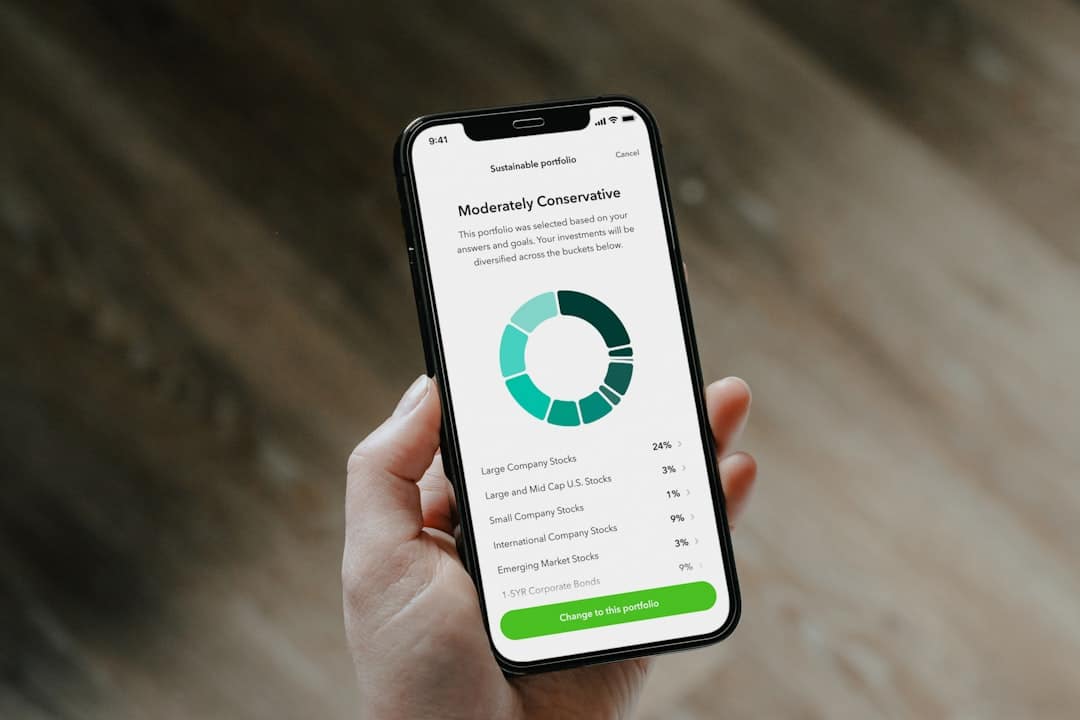
Black Diamond, part of SS&C, is popular among wealth managers that want visually clear reporting, client portals, mobile access, and portfolio aggregation. Its interface is often considered one of its strongest advantages, especially for firms focused on client communication.
- Key strengths: client experience, reporting design, data aggregation, mobile access.
- Limitations: some advanced operational workflows may require additional systems.
- Best fit: firms that want a modern client-facing platform.
5. Morningstar Office
Best for: advisors who rely heavily on research, analytics, and investment data.
Morningstar Office combines portfolio management tools with Morningstar’s research capabilities. It supports portfolio analysis, reporting, proposal generation, and investment screening. The platform is especially useful for advisors who want research-driven portfolio construction.
- Key strengths: investment research, fund analysis, portfolio analytics, proposals.
- Limitations: some firms may prefer more advanced rebalancing or billing tools elsewhere.
- Best fit: advisors focused on investment selection and analytical insight.
6. eMoney Advisor
Best for: financial planning-led wealth management firms.
eMoney is not primarily a portfolio accounting system; instead, it is one of the leading financial planning platforms. It helps advisors create cash flow plans, retirement projections, estate scenarios, and client-facing financial dashboards. For firms where planning is the center of the client relationship, eMoney can be essential.
- Key strengths: financial planning, client portal, cash flow modeling, scenario analysis.
- Limitations: portfolio management features are not as deep as dedicated accounting systems.
- Best fit: planning-centric advisory practices.
7. SS&C Advent
Best for: institutional wealth managers and firms needing robust portfolio accounting.
SS&C Advent offers solutions such as Axys, APX, and Geneva, serving investment managers, hedge funds, family offices, and wealth firms. Its strength lies in portfolio accounting, reconciliation, performance measurement, and operational control.
- Key strengths: accounting depth, reconciliation, institutional reporting, complex operations.
- Limitations: may be more technical than platforms built for small advisory teams.
- Best fit: firms with institutional-grade accounting and reporting requirements.
8. Wealthbox
Best for: advisory firms needing an intuitive wealth management CRM.
Wealthbox is not a full portfolio management platform, but it is a strong CRM for financial advisors. It helps firms manage client relationships, tasks, workflows, notes, email integration, and team collaboration. Many advisors use it alongside portfolio reporting or planning tools.
- Key strengths: ease of use, CRM workflows, task management, collaboration.
- Limitations: it does not replace portfolio accounting or trading software.
- Best fit: firms wanting a simple, advisor-friendly CRM layer.
Quick Comparison Table
| Platform | Best Use Case | Main Strength |
|---|---|---|
| Addepar | Family offices and complex portfolios | Alternative asset reporting |
| Orion | Scalable RIA operations | Integrated portfolio workflows |
| Tamarac | Independent advisors | Rebalancing and reporting |
| Black Diamond | Client-facing wealth firms | Client experience |
| Morningstar Office | Research-driven advisors | Investment analytics |
| eMoney | Planning-led firms | Financial planning |
| SS&C Advent | Institutional managers | Portfolio accounting |
| Wealthbox | Advisor CRM needs | Relationship management |
Key Buying Considerations
Before selecting a platform, a firm should define its primary operational problem. If account reconciliation consumes too much staff time, a portfolio accounting platform may be the priority. If advisors spend hours preparing quarterly reports, reporting automation may create the greatest return. If clients demand real-time access, the client portal becomes more important.
Cost should also be evaluated carefully. Wealth management software may include platform fees, basis-point pricing, user licenses, implementation fees, data feed costs, and integration expenses. A platform that appears cheaper upfront may become more expensive if it requires additional tools or manual workarounds.
Final Verdict
The best wealth management platform depends on the firm’s business model. Addepar is ideal for complex wealth and alternatives, while Orion and Tamarac are strong choices for RIAs seeking operational scale. Black Diamond stands out for client experience, Morningstar Office for research, eMoney for planning, SS&C Advent for institutional accounting, and Wealthbox for CRM simplicity.
For many firms, the right answer may be a combination of tools rather than one all-in-one platform. A thoughtful comparison should focus on workflow fit, data quality, client service goals, and long-term scalability.
FAQ
What is investment management software?
Investment management software helps firms manage portfolios, track performance, generate reports, automate billing, rebalance accounts, and communicate with clients.
Which wealth management platform is best for RIAs?
Orion and Envestnet Tamarac are commonly strong options for RIAs because they support portfolio accounting, reporting, billing, trading, and advisor workflows.
Which platform is best for family offices?
Addepar is often a strong fit for family offices because it handles complex ownership structures, alternative assets, private investments, and consolidated reporting.
Is eMoney an investment management platform?
eMoney is primarily a financial planning platform. It can support wealth management, but firms usually pair it with portfolio accounting or reporting software.
How should a firm choose the right platform?
A firm should compare workflow needs, client reporting requirements, integrations, implementation support, pricing, scalability, and the complexity of assets under management.
