
Backlink Monitoring Platforms For Tracking Domain Authority
In the fast-moving world of search engine optimization, backlinks remain one of the most powerful signals influencing how websites rank. But building links is only half the battle—monitoring them is what separates informed SEO strategies from blind guesswork. Backlink monitoring platforms have evolved into sophisticated ecosystems that track domain authority, evaluate link quality, and protect websites from harmful SEO practices. Whether you manage a blog, an ecommerce store, or an enterprise-level website, understanding how these platforms work can dramatically improve your digital visibility.
TLDR: Backlink monitoring platforms help track domain authority, evaluate linking domains, and protect your site from harmful backlinks. They provide real-time data, competitive insights, and historical tracking to guide smarter SEO decisions. The right tool can reveal who links to you, how those links affect your authority, and where new opportunities exist. Monitoring backlinks consistently is essential for sustainable search engine growth.
Why Backlink Monitoring Matters for Domain Authority
Domain Authority (DA) is a predictive metric that estimates how likely a website is to rank in search engine results compared to competitors. Although Google doesn’t officially use DA as a ranking factor, it has become an industry-standard benchmark for measuring site strength.
Backlinks influence domain authority in several ways:
- Quality of linking domains – Links from authoritative, trustworthy sites increase your DA.
- Relevance – Links from websites within your niche carry more weight.
- Link diversity – A natural mix of referring domains strengthens credibility.
- Spam control – Toxic links can reduce trust and hurt rankings.
Without proper monitoring, you may never notice when:
- High-value backlinks disappear
- Spammy domains suddenly link to your website
- Competitors earn links from sources you could target
- Your domain authority begins to decline
This is where backlink monitoring platforms step in, turning raw link data into actionable intelligence.
Core Features of Backlink Monitoring Platforms
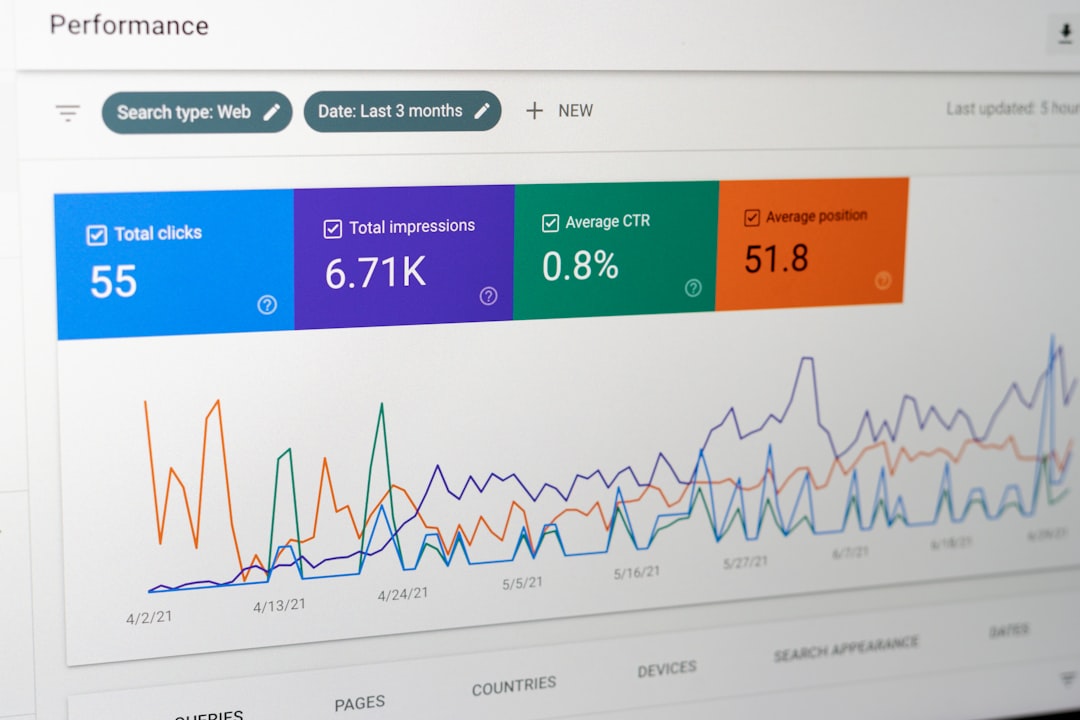
Modern backlink platforms offer far more than simple link lists. They function as comprehensive SEO command centers. Below are the most essential features that help track and improve domain authority.
1. Real-Time Backlink Tracking
One of the most valuable features is automatic backlink detection. These platforms crawl the web continuously to notify you when:
- New backlinks appear
- Existing links are removed
- Anchor text changes
- Links switch from dofollow to nofollow
Real-time monitoring allows businesses to maintain link stability—an often overlooked factor in maintaining domain authority.
2. Domain Authority and Metrics Tracking
Most platforms integrate proprietary authority metrics such as:
- Domain Authority (DA)
- Domain Rating (DR)
- Trust Flow
- Citation Flow
By analyzing these indicators, users can evaluate whether a backlink adds real SEO value or simply inflates numbers without meaningful ranking impact.
3. Toxic Link Detection
Not all backlinks are beneficial. Some originate from:
- Link farms
- Automated spam networks
- Irrelevant foreign domains
- Malicious SEO campaigns
Advanced platforms assign spam scores and flag suspicious links. This enables you to take defensive measures, such as submitting a disavow file to search engines.
4. Competitor Backlink Analysis
Monitoring your own links is important—but analyzing your competitors may be even more powerful. Backlink tools often allow you to:
- Compare domain authority between multiple domains
- Discover shared linking domains
- Find backlink gaps
- Identify top-performing competitor content
By studying competing websites, you uncover opportunities to secure links from high-authority sources within your industry.
How Backlink Monitoring Impacts Long-Term SEO Strategy
Effective link monitoring is not just about metrics—it shapes your entire optimization strategy.
Improved Content Planning
When you identify pages that attract the most backlinks, patterns begin to emerge. Perhaps long-form guides earn more links than short posts. Maybe infographics outperform standard articles. Monitoring tools highlight these trends, enabling smarter content investments.
Relationship Building
Backlink reports often reveal journalists, bloggers, and webmasters who frequently reference your content. These individuals become prime candidates for future collaborations, guest posts, and partnerships.
Link Reclamation
Links frequently disappear due to page updates, redesigns, or expired domains. Monitoring tools alert you to lost backlinks, giving you an opportunity to:
- Contact site owners
- Suggest updated URLs
- Restore broken connections
Reclaiming links is often easier than building new ones and can quickly stabilize declining domain authority scores.
Key Metrics to Watch Closely
Tracking domain authority alone is not enough. Effective backlink analysis involves a broader set of performance indicators.
Important metrics include:
- Total Referring Domains – The number of unique websites linking to you
- Link Growth Rate – Consistent growth signals natural authority building
- Anchor Text Distribution – Over-optimized anchors may trigger penalties
- Dofollow vs Nofollow Ratio – A balanced mix appears more natural
- Authority Score Trends – Sudden drops should prompt investigation
Tracking trends over time is crucial. A temporary drop may be harmless, but sustained declines indicate deeper structural issues.
Automation and Reporting Capabilities
One of the most practical advantages of backlink monitoring platforms is automation. Instead of manually checking links, you can schedule:
- Weekly or monthly authority reports
- Email alerts for new or lost backlinks
- Custom dashboards for client presentations
- White-label reports for agencies
These features save countless hours and provide visual clarity when presenting SEO progress to stakeholders.
Choosing the Right Backlink Monitoring Platform
With numerous SEO tools available, selecting the right platform depends on your goals, budget, and expertise level.
Consider the following factors:
- Database Size – Larger link indexes provide more accurate data
- Crawl Frequency – Faster updates detect link changes sooner
- User Interface – Clear dashboards improve usability
- Integration – Compatibility with analytics and reporting tools
- Cost Scalability – Pricing should align with your growth
Small businesses may prioritize affordability and simplicity, while agencies often need scalable features and export capabilities for multiple clients.
Common Mistakes in Backlink Monitoring
Even with advanced tools, errors in interpretation can undermine results.
Some common pitfalls include:
- Obsessing over DA alone instead of evaluating traffic and relevance
- Ignoring nofollow links that still contribute to brand exposure
- Failing to act after identifying toxic backlinks
- Chasing quantity over quality in link-building efforts
Remember, sustainable SEO success depends on strategic consistency rather than sudden spikes in backlink acquisition.
The Future of Backlink Monitoring and Authority Metrics
Search engines continue to evolve, incorporating machine learning and semantic analysis into ranking algorithms. As a result, backlink evaluation is becoming more nuanced.
Future trends may include:
- Deeper contextual relevance analysis
- AI-driven spam detection
- Authority scoring that factors brand signals and user engagement
- Integration with predictive ranking models
Backlink platforms are already adopting artificial intelligence to detect unnatural link patterns and forecast ranking changes based on link trends.
Building a Sustainable Link Profile
Ultimately, backlink monitoring platforms are not just tracking tools—they are strategic guides. They help website owners build strong, resilient link ecosystems that support long-term growth.
A sustainable approach includes:
- Creating high-value, shareable content
- Engaging in ethical outreach and partnerships
- Maintaining balanced anchor text
- Regularly auditing backlinks for quality control
- Monitoring authority metrics continuously
When used correctly, backlink monitoring platforms transform raw data into competitive advantage. They highlight opportunities, mitigate risks, and provide the clarity needed to strengthen domain authority over time.
In an increasingly competitive digital environment, guessing is not an option. Businesses that proactively track their backlink profiles—and understand how those links affect domain authority—position themselves for sustained visibility. With the right insights at your fingertips, SEO becomes less about uncertainty and more about measurable, strategic growth.
