
10 Reasons Restaurants Are Switching to QR Code Ordering
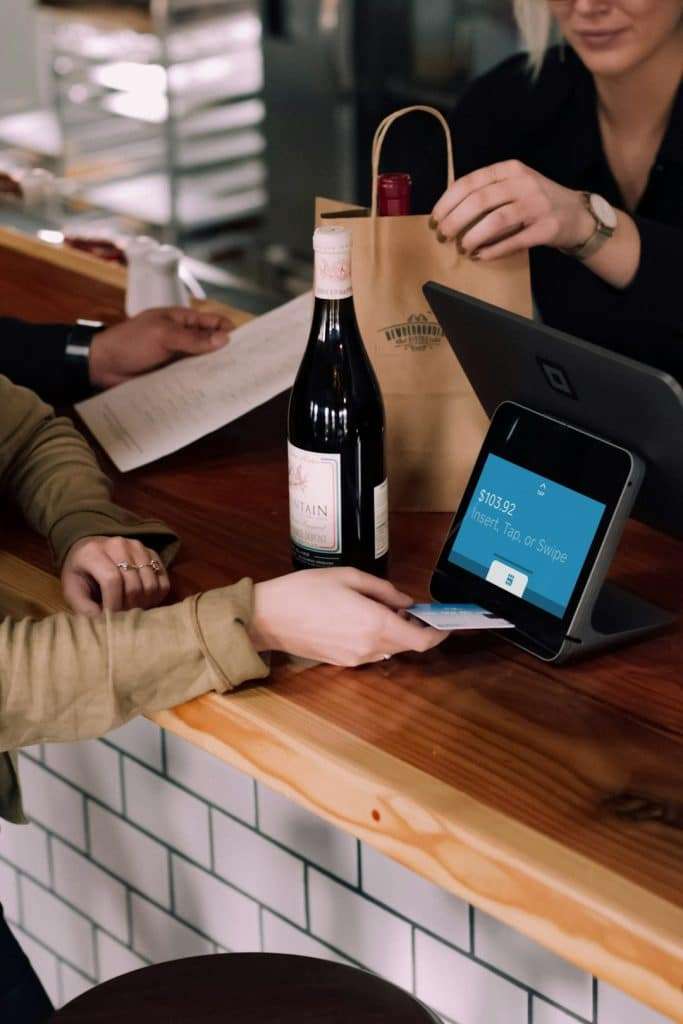
Walk into a busy restaurant today and you may notice something that would have felt unusual a few years ago: guests scanning a small code on the table, browsing the menu on their phones, customizing dishes, and sending orders directly to the kitchen. QR code ordering has moved far beyond being a temporary convenience. For many restaurants, it has become a practical tool for improving service, reducing costs, and creating a smoother dining experience.
TLDR: Restaurants are switching to QR code ordering because it helps them serve guests faster, reduce labor pressure, and keep menus flexible. It also improves order accuracy, encourages higher spending, and gives restaurants valuable data about customer preferences. While it does not replace hospitality, it gives staff more time to focus on the parts of service that truly matter.
1. Faster Ordering Means Faster Service
One of the biggest reasons restaurants are adopting QR code ordering is speed. In a traditional service model, guests wait for a server to bring menus, return to take the order, enter it into the system, and then send it to the kitchen. During peak hours, that process can become slow, especially when staff are managing multiple tables at once.
With QR code ordering, guests can view the menu as soon as they sit down. They can order appetizers while still deciding on entrées, add drinks without waiting for a server, and send everything directly to the kitchen or bar. This reduces unnecessary waiting and helps tables move through the dining experience more efficiently.
For quick-service and casual restaurants, faster ordering can also mean shorter lines and quicker table turnover. For full-service restaurants, it gives staff more time to greet guests, answer questions, and deliver a more personal experience.
2. Lower Pressure on Restaurant Staff
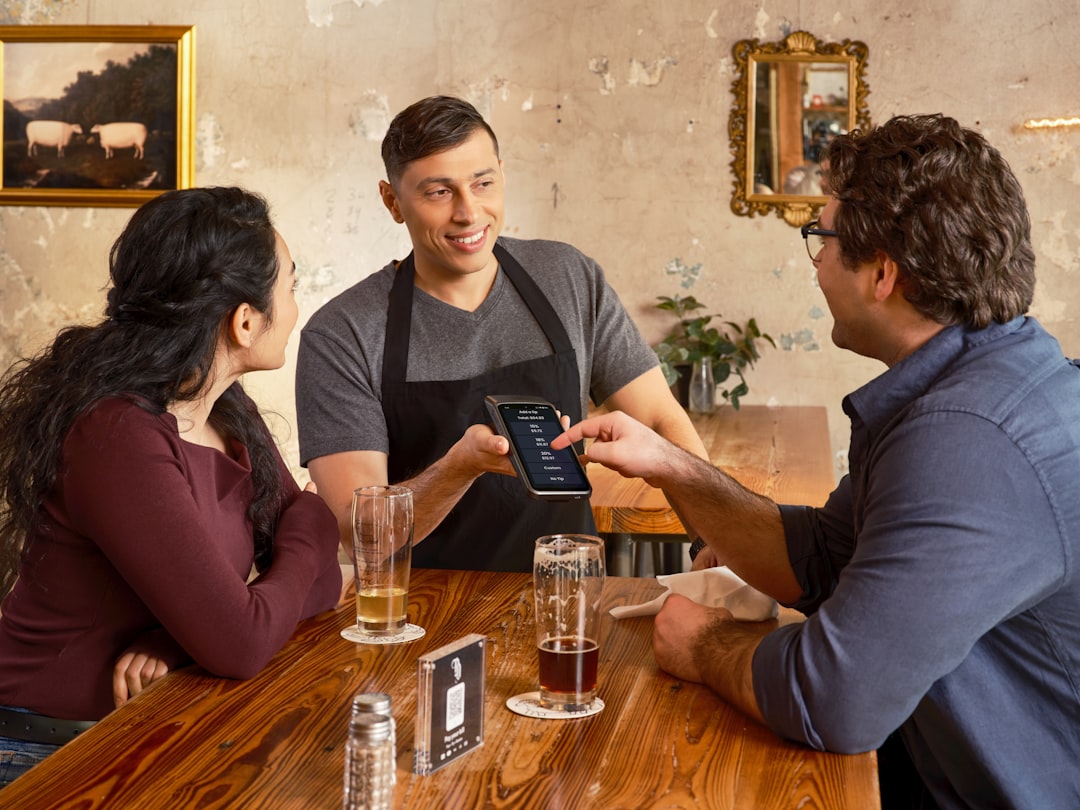
The hospitality industry has faced ongoing staffing challenges, from labor shortages to high turnover. QR code ordering does not eliminate the need for staff, but it can reduce repetitive tasks that take up a large portion of a server’s time.
Instead of rushing from table to table to take orders and process minor changes, servers can focus on guest engagement, food recommendations, special requests, and problem-solving. This can make the job less stressful and more rewarding, especially during busy shifts.
For restaurants operating with smaller teams, QR ordering can help maintain service quality without requiring as many employees on the floor. It acts as a support system, allowing staff to work smarter rather than simply work faster.
3. Menus Can Be Updated Instantly
Printed menus are expensive to redesign, reprint, and replace. If a dish sells out, prices change, or a seasonal item is added, restaurants often have to use stickers, paper inserts, or verbal explanations from servers. This can look messy and create confusion for guests.
QR code menus solve this problem by making updates instant. A manager can remove an unavailable item, change a price, add a daily special, or highlight a limited-time cocktail in minutes. This is especially useful for restaurants that rely on fresh ingredients, changing market prices, or rotating menus.
Flexible digital menus also make it easier to test new items. If a restaurant wants to try a weekend brunch dish or promote a chef’s special, it can add it to the digital menu without committing to a full print run.
4. Order Accuracy Improves
Miscommunication is one of the most common causes of restaurant mistakes. A server may mishear a guest, forget a modifier, or accidentally enter the wrong item. Guests may also forget to mention preferences until after the order has already been sent.
With QR code ordering, customers enter their own selections. They can choose options such as no onions, extra sauce, gluten free, or medium rare directly from the menu interface. This reduces the chance of errors caused by rushed conversations or unclear handwriting on handwritten tickets.
Better accuracy helps restaurants in several ways. Fewer mistakes mean less food waste, fewer remakes, improved customer satisfaction, and a smoother workflow for the kitchen. Guests also feel more in control when they can review their order before submitting it.
5. QR Ordering Can Increase Average Check Size
Digital ordering often leads to higher spending. This is because QR code menus can present upsells and add-ons in a natural, visually appealing way. For example, when a guest orders a burger, the menu might suggest adding avocado, upgrading fries, or pairing it with a craft beer.
Unlike a busy server who may not have time to mention every option, a digital menu can consistently highlight profitable extras. It can showcase desserts after the main course, promote premium toppings, or feature bundles that encourage guests to spend a little more.
- Add-ons: Extra cheese, sauces, sides, or toppings.
- Pairings: Wine with pasta, beer with wings, or coffee with dessert.
- Upgrades: Larger portions, premium ingredients, or specialty drinks.
- Limited offers: Seasonal items, happy hour specials, or chef recommendations.
When done thoughtfully, these suggestions feel helpful rather than pushy. Guests discover more options, and restaurants increase revenue without relying on aggressive sales tactics.
6. Payment Becomes Easier and More Convenient
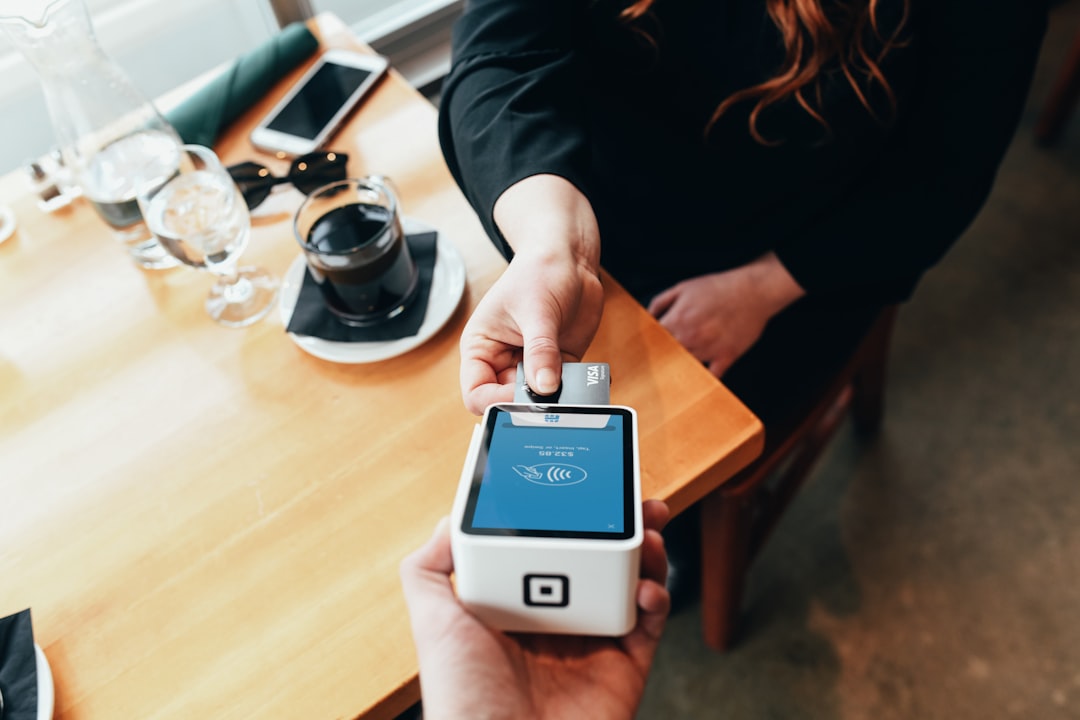
In many QR code ordering systems, guests can also pay directly from their phones. This is a major convenience, especially at the end of the meal when people are ready to leave. Instead of waiting for a server to bring the check, collect a card, run the payment, and return with a receipt, guests can settle their bill with a few taps.
This is particularly useful for groups. Some systems allow diners to split the bill by item, divide it evenly, or pay separately from their own devices. That can remove one of the most awkward and time-consuming parts of dining out.
For restaurants, faster payment means quicker table turnover and fewer delays during peak times. It also reduces the number of manual payment steps staff must handle, giving them more time to focus on hospitality.
7. Better Data and Customer Insights
Traditional menus do not provide much information about guest behavior. A restaurant may know what was sold, but not always how customers browsed, what they considered, or which promotions influenced their choices. QR code ordering can help fill in those gaps.
Digital systems can show which items are viewed most often, which dishes are frequently customized, what times certain products sell best, and which add-ons perform well. This information helps restaurants make smarter decisions about pricing, menu design, staffing, and inventory.
For example, if a restaurant sees that a particular appetizer gets many views but few orders, it may need a better photo, clearer description, or different price point. If a seasonal drink sells strongly on Fridays, the bar can prepare ingredients in advance. These insights turn the menu into a source of real-time business intelligence.
8. Contactless Options Still Matter to Many Guests
While the urgency of contactless dining has changed since the height of the pandemic, many customers still appreciate the option. Some guests prefer not to handle shared menus, especially in high-traffic environments. Others simply enjoy the convenience of using their own device.
QR code ordering supports a more hygienic experience without requiring restaurants to constantly sanitize printed menus. It also gives diners more control over the pace of their meal. They can browse privately, take their time, and order when ready.
Of course, not every guest wants a fully digital experience. The best restaurants usually keep alternatives available, such as printed menus upon request or staff assistance for guests who are less comfortable with technology. The goal is not to force every customer into the same process, but to offer more choice.
9. Menus Become More Visual and Engaging
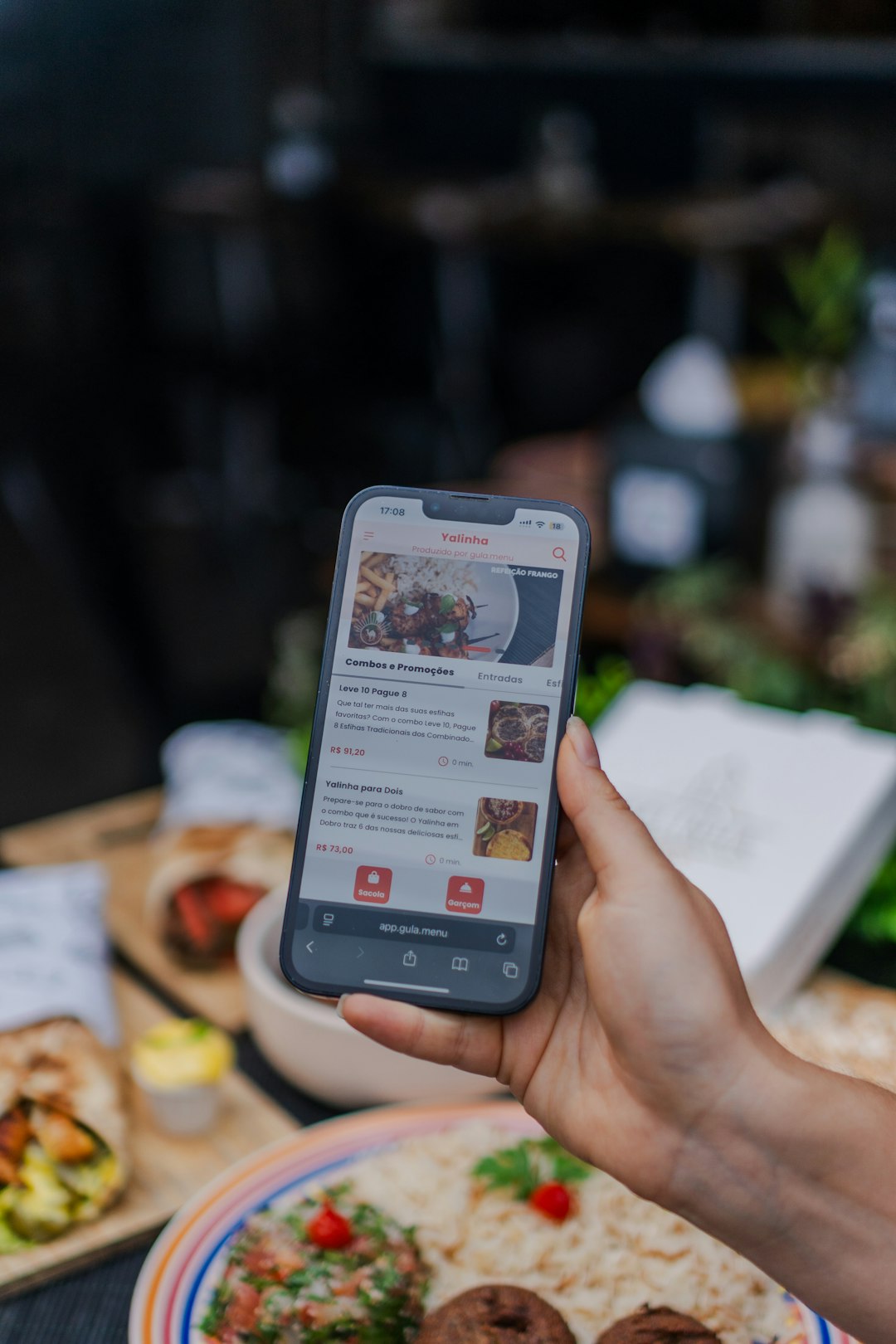
A printed menu has limited space. A QR code menu can include high-quality photos, ingredient details, allergen information, preparation notes, and even short descriptions that tell the story behind a dish. This makes the menu more engaging and helps guests make confident decisions.
Visual menus are especially powerful for restaurants with colorful dishes, creative cocktails, desserts, or unfamiliar cuisine. A guest who might skip over an item based on its name may become interested after seeing an appetizing image or reading a vivid description.
Good menu design can influence behavior. Digital menus allow restaurants to organize items by popularity, highlight signature dishes, and guide guests through the ordering process in a way that feels intuitive. This can improve both the customer experience and the restaurant’s bottom line.
10. QR Code Ordering Supports Modern Customer Expectations
Consumers are used to speed and convenience in nearly every part of life. They order groceries from apps, book rides on demand, track packages in real time, and customize purchases online. It makes sense that many diners now expect similar convenience when eating out.
QR code ordering fits naturally into this behavior. It gives guests control, reduces friction, and makes the experience feel modern. For younger diners in particular, scanning a code and ordering from a phone may feel completely normal.
That said, technology should support hospitality, not replace it. A restaurant is still judged by the warmth of its staff, the quality of its food, the comfort of its atmosphere, and the way guests feel when they leave. QR ordering works best when it removes obstacles while allowing human service to shine.
What Restaurants Should Consider Before Switching
Although QR code ordering offers many benefits, restaurants should implement it carefully. A poorly designed digital menu can frustrate guests, especially if it is slow, confusing, or difficult to read. The experience should be simple, mobile-friendly, and accessible.
Restaurants should also train staff to explain the system clearly and offer help when needed. Some guests may not have a smartphone, may have low battery, or may simply prefer speaking to a person. Having a backup option shows respect for different customer preferences.
Important considerations include:
- Ease of use: The menu should load quickly and be simple to navigate.
- Accessibility: Text should be readable, and alternatives should be available.
- Brand experience: The digital menu should match the restaurant’s personality.
- Security: Payment systems should be safe and trustworthy.
- Staff involvement: Employees should remain present, helpful, and welcoming.
The Future of QR Code Ordering
QR code ordering is likely to keep evolving. Future systems may offer more personalized recommendations, loyalty rewards, multilingual menus, real-time kitchen updates, and deeper integration with reservation platforms. Restaurants may use digital menus not only to take orders, but to build stronger relationships with guests.
For example, a returning customer might see favorite dishes first, receive a personalized dessert offer, or access loyalty points directly through the ordering page. Tourists could instantly switch the menu to their preferred language. Guests with allergies could filter out unsafe items before ordering.
These features can make dining more convenient, inclusive, and enjoyable. However, the most successful restaurants will be the ones that balance efficiency with genuine hospitality. Technology can streamline the process, but memorable dining still depends on flavor, atmosphere, and human connection.
Final Thoughts
Restaurants are switching to QR code ordering because it solves real problems. It speeds up service, reduces pressure on staff, improves accuracy, updates menus instantly, and creates new opportunities to increase revenue. It also gives customers the convenience and control they have come to expect in a digital world.
Still, QR code ordering is not a one-size-fits-all solution. The best approach is flexible: offer digital convenience for guests who want it, while preserving personal service for those who value a more traditional experience. When used thoughtfully, QR code ordering does not make restaurants feel less human. Instead, it can free staff to focus on what hospitality is really about: making people feel welcome, cared for, and eager to come back.
