
Twilio Alternatives for EU SMS Routing: Vonage vs Bird for Business Messaging
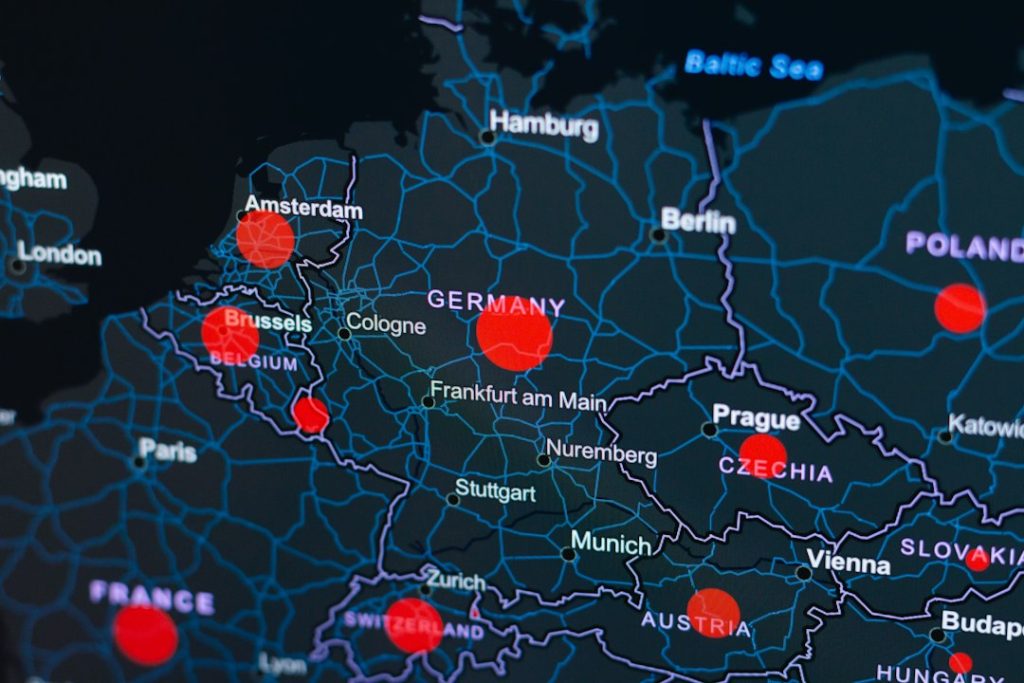
Vonage is usually the safer Twilio alternative for EU SMS routing when delivery control and carrier reach matter most, while Bird is better when business messaging needs to include SMS, WhatsApp, email, and support workflows in one cleaner package. For European teams, the choice is not just price. GDPR fines can reach €20 million or 4% of annual global turnover, so routing, consent, and data handling deserve real attention [source: European Commission].
TLDR: Pick Vonage if you send high volumes of OTPs, alerts, or transactional SMS across several EU countries and want strong API control. Pick Bird if your team wants SMS plus WhatsApp and email in one place, with less engineering work. For example, a retailer sending 100,000 monthly EU order updates may save time with Bird’s shared inbox, but a fintech sending 500,000 OTPs may prefer Vonage for routing depth and delivery tuning. If SMS delivery rates move even 2%, that can mean thousands of missed or recovered messages.
Why businesses compare Vonage and Bird
Twilio is still a major name in messaging. No surprise there. But many EU firms are shopping around because SMS routing has become messy, expensive, and more regulated. Sender ID rules change by country. Some networks filter hard. Some routes are cheap but unreliable. It drives me crazy that a message can be marked “sent” while the customer never sees it.
Vonage and Bird both offer strong business messaging tools. Both support SMS APIs. Both cover Europe. Yet they feel different.
- Vonage feels more telecom first.
- Bird feels more customer conversation first.
- Twilio sits somewhere between both, but often at a premium.
Vonage for EU SMS routing
Vonage, formerly Nexmo, has long been known for SMS APIs, voice, verification, and communications infrastructure. Its biggest strength is routing control. If your business needs OTPs, fraud alerts, delivery updates, or booking reminders, this matters a lot.
Best fit: banks, fintech apps, marketplaces, SaaS tools, travel firms, and healthcare platforms that need fast transactional messages.
The useful part? Vonage gives technical teams plenty of room to build. You can work with APIs, delivery receipts, number formats, sender IDs, and fallback logic. For developers, that is good news. For marketers, it may feel dry.
Vonage strengths:
- Strong SMS and verification products.
- Good API documentation and developer tools.
- Useful for high-volume transactional messaging.
- Solid option for multi-country EU routing.
- Voice and number services are available too.
Vonage drawbacks:
- Less friendly for non-technical users.
- Campaign tools may need extra software.
- Pricing can vary by country and route quality.
- Support experience may depend on your plan and spend.
If you care about customer data and messaging automation, Vonage may need more setup around it. It is powerful, but it is not always plug and play.
Bird for business messaging
Bird, previously known as MessageBird, takes a broader approach. SMS is only one piece. You also get WhatsApp, email, chat, inbox tools, customer journeys, and support features. That can be a relief for teams tired of jumping between five tabs just to answer one customer.
Best fit: ecommerce brands, support teams, marketplaces, local service companies, and subscription businesses that want conversations in one system.
Bird is often more appealing to operations and marketing teams. You can build customer flows, manage replies, and connect channels without turning every request into a developer ticket. Honestly, it feels like Bird was built for teams that just want messaging to work without a weekly routing debate.
Bird strengths:
- Good multi-channel messaging across SMS, WhatsApp, and email.
- Shared inbox and customer support features.
- Useful automation for customer journeys.
- More approachable for non-developers.
- Strong fit for two-way customer conversations.
Bird drawbacks:
- SMS routing may feel less granular than Vonage for technical teams.
- Costs can rise when adding more channels and seats.
- Some advanced setups still need developer work.
- Reporting can require careful setup to avoid messy data.
If your goal is better replies, not just message delivery, Bird connects well with two-way conversations. That is where it starts to beat a pure SMS tool.

EU routing: what really matters
EU SMS is not one market. Germany, France, Spain, Italy, the Netherlands, and Poland can all behave differently. Sender ID support changes. Registration rules differ. Local filtering can block weak traffic. Cheap grey routes can hurt delivery and brand trust.
When comparing Vonage and Bird, ask these questions:
- Can you use registered sender IDs where needed?
- Are delivery receipts detailed enough?
- Does the vendor support local compliance rules?
- Can traffic fail over if one route performs badly?
- Where is customer data processed and stored?
The last point matters for SMS, but also for chat apps. If your team is weighing private messaging alternatives, keep data protection in the same conversation. Do not treat SMS as separate from the rest of your communication stack.
Pricing and setup
Vonage pricing is usually usage-based. You pay per message, with rates tied to country and message type. It works well when engineering can monitor cost, delivery, and routing quality.
Bird may feel simpler at first because it bundles more tools. But bundles can hide cost creep. Seats, channels, automations, and support features can add up. Expect to waste time on pricing pages if your use case is not standard.
Image not found in postmeta
So, which one should you choose?
Choose Vonage if SMS is mission-critical and mostly transactional. Think login codes, payment alerts, shipment updates, and appointment reminders. It is better for teams that want control and have developers ready.
Choose Bird if messaging is part of customer service and marketing. Think abandoned cart messages, WhatsApp support, delivery questions, and campaign replies. It is better for teams that want one workspace for several channels.
The short version is simple: Vonage wins on SMS infrastructure depth. Bird wins on customer messaging breadth. If your EU SMS program affects revenue, test both with real traffic in your top three countries before signing a long contract.
