
SERP Tracking Software For Monitoring Search Engine Rankings
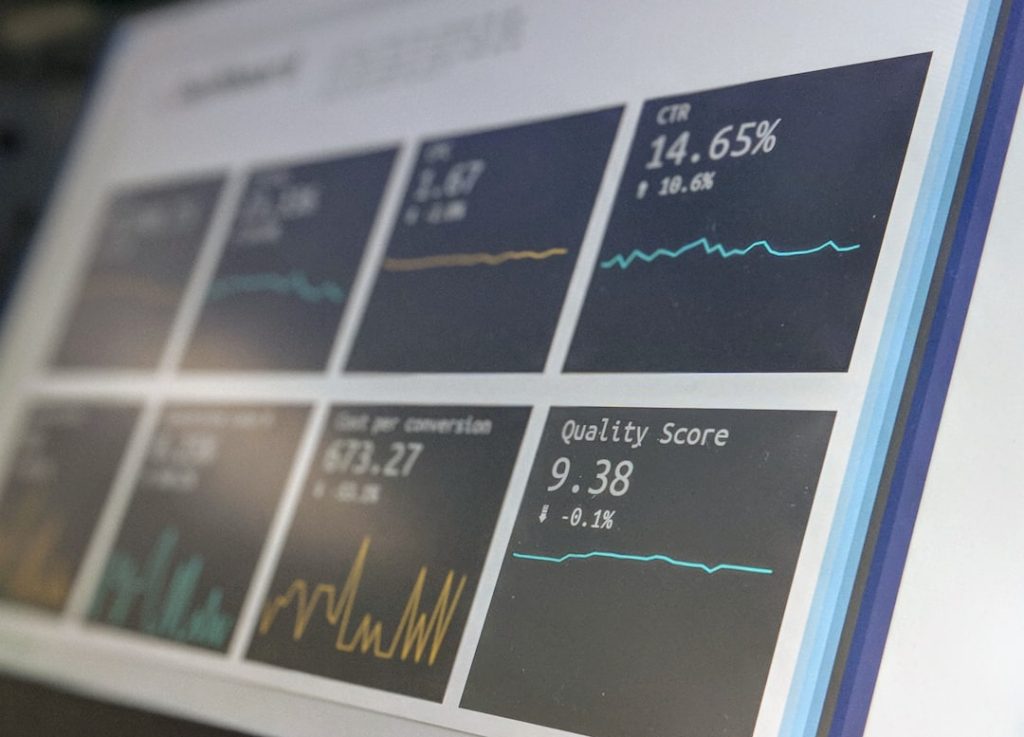
In today’s competitive digital landscape, understanding where your website stands in search engine results is not optional—it is essential. Businesses rely on visibility in search engines to attract traffic, generate leads, and drive revenue. As algorithms evolve and competition intensifies, having accurate and timely insights into keyword rankings becomes a strategic necessity. This is where SERP tracking software plays a crucial role, enabling organizations to monitor, analyze, and optimize their presence in search engine results pages.
TLDR: SERP tracking software helps businesses monitor keyword rankings across search engines to measure SEO performance and stay competitive. It provides accurate, real-time data, trend analysis, and reporting tools that inform smarter optimization strategies. With features like competitor tracking, localization, and historical data analysis, these tools are vital for data-driven marketing decisions. Investing in reliable SERP tracking software allows organizations to maintain visibility, adapt to algorithm updates, and improve ROI.
Understanding SERP Tracking Software
Search Engine Results Pages (SERPs) are the pages displayed by search engines in response to a user’s query. These pages determine which websites gain visibility and which remain unnoticed. SERP tracking software monitors where a website ranks for specific keywords over time, providing valuable insights into performance trends and competitive positioning.
The primary purpose of SERP tracking is to answer fundamental questions:
- Which keywords are driving visibility?
- How stable are rankings over time?
- How do competitors perform for the same search terms?
- How do algorithm updates affect search positions?
By systematically tracking these elements, businesses are empowered to refine their SEO strategies based on measurable data rather than assumptions.
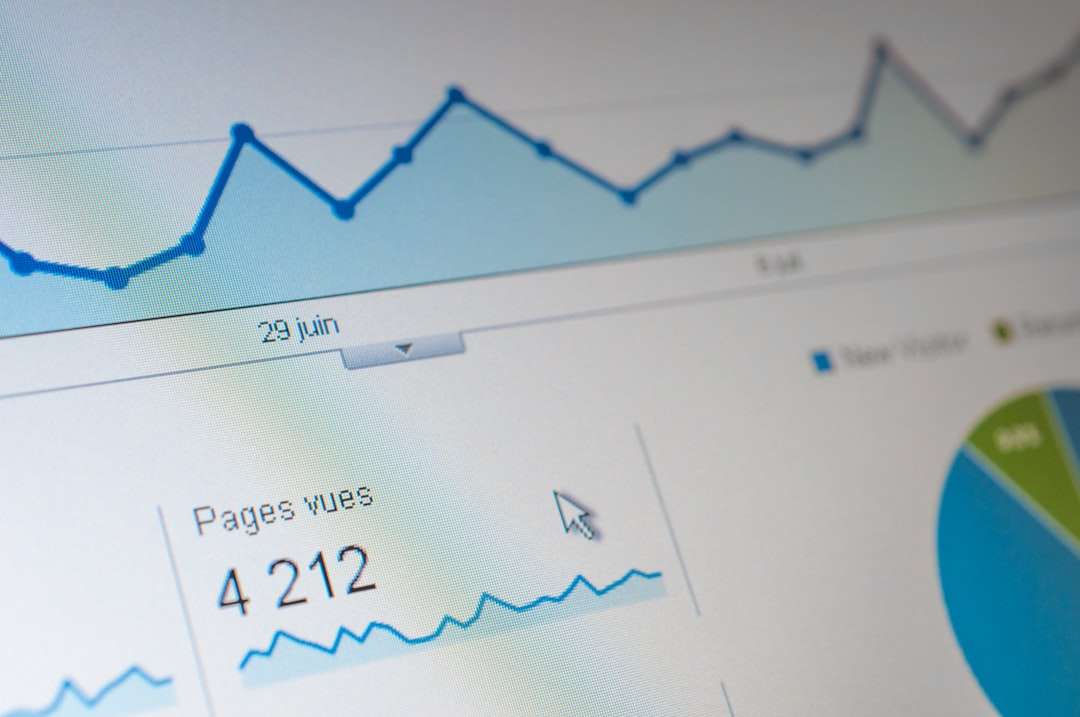
Why Monitoring Search Engine Rankings Matters
Search rankings directly influence website traffic. Studies consistently show that users overwhelmingly click results on the first page, with the top three positions capturing the majority of clicks. A decline from position three to position ten can significantly reduce click-through rate and lead conversions.
Monitoring rankings allows businesses to:
- Identify performance shifts quickly and respond before traffic declines significantly.
- Measure the effectiveness of SEO initiatives, including content updates and link-building campaigns.
- Correlate ranking changes with traffic fluctuations and revenue outcomes.
- Benchmark against competitors to uncover new opportunities.
Without systematic monitoring, organizations operate blindly, unaware of sudden losses in visibility that could impact revenue.
Core Features of Effective SERP Tracking Software
Not all SERP tracking tools offer the same capabilities. Robust solutions typically include a comprehensive suite of features designed to provide reliable and actionable data.
1. Accurate Keyword Position Tracking
High-quality tools track keyword positions daily—or even in real time—across major search engines such as Google and Bing. They also offer the ability to monitor both desktop and mobile rankings, which is vital in a mobile-first indexing environment.
2. Local and Global Tracking
Local SEO has become increasingly important for businesses targeting specific geographic markets. Reliable SERP software enables:
- City-level and country-level tracking
- Zip code precision in some cases
- Location-specific competitor analysis
This level of granularity ensures that businesses can tailor their strategies to regional audiences effectively.
3. Competitor Monitoring
Understanding how competitors rank for shared keywords is critical. Most advanced tools allow users to track competitor domains alongside their own, offering a side-by-side ranking comparison. This insight helps identify gaps and emerging competitors.

4. Historical Data and Trend Analysis
Historical data provides context. Short-term fluctuations can be misleading, but long-term patterns reveal true performance trajectories. Reliable SERP tracking software stores ranking histories, allowing users to analyze:
- Seasonal trends
- Algorithm impact patterns
- Long-term keyword growth or decline
5. Reporting and Integration
Professional SEO workflows depend on clear reporting. Effective tools include customizable dashboards and automated reporting systems suitable for stakeholders and clients. Integration with analytics platforms further enhances insights by combining ranking data with traffic and conversion metrics.
The Strategic Value of SERP Tracking
Beyond measuring position changes, SERP tracking software supports broader strategic initiatives. It provides the evidence required to allocate budgets intelligently and demonstrate the value of SEO to decision-makers.
Performance Validation
SEO is often a long-term investment. Tracking rankings validates progress and justifies continued efforts. When rankings improve steadily over months, stakeholders gain confidence in the strategy.
Algorithm Update Impact Analysis
Search engines frequently introduce algorithm updates. These updates may significantly alter rankings across industries. SERP tracking enables immediate visibility into the impact of such updates, allowing businesses to take corrective action quickly.
Content Optimization Guidance
If a page drops from position five to position twelve, it signals the need for review. SERP data can inform decisions such as:
- Expanding content depth
- Updating outdated information
- Improving internal linking
- Enhancing technical performance

Key Metrics to Monitor Alongside Rankings
While keyword position is central, it should not be evaluated in isolation. Sophisticated SEO teams consider multiple metrics in conjunction with rankings:
- Click-Through Rate (CTR) – Measures how often users click a listing after seeing it.
- Search Volume – Indicates how frequently a keyword is searched.
- Keyword Difficulty – Assesses competitiveness.
- Visibility Score – Aggregates ranking performance across tracked keywords.
- Traffic and Conversions – Demonstrate business impact.
Comprehensive SERP tracking tools provide contextual metrics, offering a fuller picture of search performance.
Choosing the Right SERP Tracking Software
Selecting a SERP tracking solution requires careful consideration of business size, industry, and objectives. Important evaluation criteria include:
- Data Accuracy: Consistency and reliability of ranking data.
- Update Frequency: Daily tracking is standard; some industries may require more frequent updates.
- Scalability: Ability to track hundreds or thousands of keywords.
- User Interface: Clear dashboards and intuitive design.
- Customer Support: Technical responsiveness and onboarding assistance.
Enterprises may prioritize API access and extensive reporting, while small businesses may focus on affordability and ease of use.
Common Challenges and How SERP Software Addresses Them
Ranking fluctuations are normal. However, distinguishing between routine volatility and systemic issues is challenging without structured tracking.
Common SEO challenges include:
- Sudden ranking drops after site updates
- Competitor outranking critical keywords
- Geographically inconsistent performance
- Inability to demonstrate ROI
SERP tracking software provides clarity in each of these scenarios by offering objective, timestamped ranking data. This eliminates guesswork and supports informed decision-making.
The Role of Automation and AI in Modern SERP Tracking
Advanced platforms increasingly leverage automation and artificial intelligence to enhance tracking capabilities. AI-driven insights can:
- Detect anomalies in ranking behavior
- Predict potential ranking declines
- Recommend optimization opportunities
- Cluster keywords by intent or semantic similarity
This evolution transforms SERP tracking from a passive monitoring activity into an active strategic tool capable of delivering predictive insights.
Best Practices for Effective Ranking Monitoring
Merely implementing SERP tracking software is not sufficient. To derive meaningful value, organizations should adopt best practices:
- Track a Balanced Keyword Portfolio: Include high-volume, competitive terms alongside long-tail, lower-competition keywords.
- Segment Keywords by Intent: Separate informational, navigational, and transactional search terms.
- Review Data Consistently: Weekly or bi-weekly analysis ensures rapid response to changes.
- Correlate Data Sources: Combine ranking insights with analytics and conversion data.
- Document Changes: Record site updates and campaign launches to contextualize ranking shifts.
By integrating these practices, businesses can leverage SERP tracking data strategically rather than reactively.
Conclusion
SERP tracking software is an indispensable component of modern search engine optimization strategies. It transforms complex ranking data into actionable insights, enabling organizations to protect and improve their online visibility. In a digital environment where minor shifts in ranking can significantly impact traffic and revenue, systematic monitoring provides a competitive advantage.
By investing in reliable SERP tracking tools and implementing disciplined monitoring practices, businesses gain clarity, accountability, and strategic direction. Ultimately, consistent and informed ranking analysis strengthens SEO performance and safeguards long-term growth in an ever-evolving search landscape.
