
North One Review: Banking Features, Fees, and Alternatives for Small Businesses
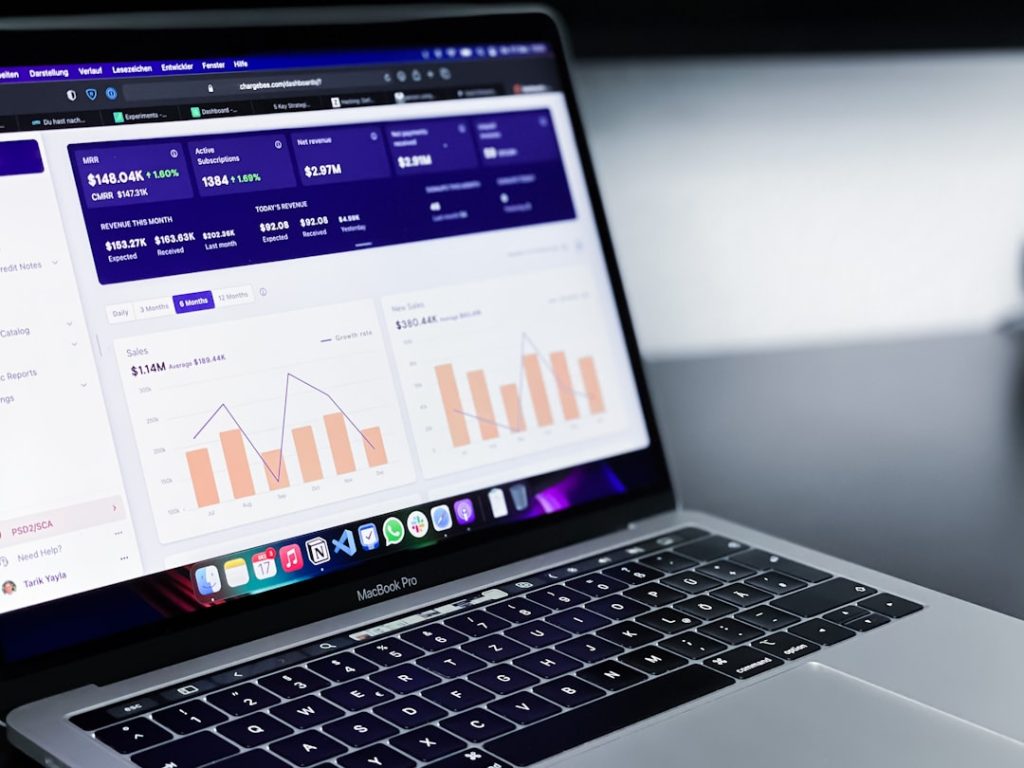
Choosing a business checking account is not just an administrative task; it affects cash flow visibility, payment speed, bookkeeping accuracy, and the amount you pay in avoidable fees. North One is a digital banking platform aimed at freelancers, contractors, ecommerce operators, and small business owners who want a simple account with software-friendly tools rather than a traditional branch-based banking experience.
TLDR: North One is best for small businesses that want an online-first business checking account with practical tools such as sub-accounts, ACH payments, debit card access, and integrations with accounting platforms. For example, a two-person consulting firm processing $18,000 per month may benefit from using separate envelopes for taxes, payroll, and operating expenses. However, businesses that regularly deposit cash, need branch service, or want broader financing products may be better served by a traditional bank or an alternative such as Bluevine, Relay, Novo, or Chase Business Complete Banking.
What Is North One?
North One is a financial technology company offering business banking services through partner banks. It is not a brick-and-mortar bank in the traditional sense. Instead, it provides a digital account experience through a web dashboard and mobile app, with banking services typically provided by an FDIC-insured partner institution. As with any fintech banking product, business owners should confirm the current deposit insurance details, fee schedule, and partner bank information before opening an account.
The platform is designed for owners who want a streamlined operating account. It focuses on everyday business banking: receiving payments, sending payments, organizing money, and connecting banking activity to accounting workflows. This makes it appealing to small teams that do not need a full-service treasury relationship but do need reliable financial organization.

Key Banking Features
Business checking: North One’s core product is a business checking account intended for day-to-day transactions. Users can typically send and receive ACH transfers, make card purchases, and manage activity through the mobile app or online dashboard.
Debit card access: Account holders receive a business debit card for purchases and withdrawals. This can be useful for owners who want to keep personal and business spending clearly separated, which is important for bookkeeping and tax preparation.
Envelopes or sub-accounts: One of North One’s most useful features is the ability to divide funds into dedicated categories. A business might create separate envelopes for taxes, payroll, inventory, software subscriptions, or profit reserves. This is especially helpful for firms with irregular cash flow.
Integration with business tools: North One is positioned as a banking platform that works with accounting and payment software. Integrations may include tools such as QuickBooks, Xero, Shopify, Stripe, PayPal, and other business platforms, depending on current availability. This can reduce manual reconciliation and help owners understand cash flow faster.
Mobile-first account management: Users can deposit checks through mobile deposit where eligible, review transactions, categorize activity, and manage transfers without visiting a physical branch. This is convenient for remote teams, online businesses, and service providers who operate outside normal bank hours.
Fees and Costs to Consider
North One’s pricing has changed over time, so business owners should review the most current fee schedule before applying. Historically, North One has been known for a monthly account fee model rather than a completely free structure. Some accounts or plans may include a monthly subscription fee, while certain transactions or services may carry additional charges.
Typical fees to evaluate include:
- Monthly account fee: Check whether the account requires a flat monthly charge and whether there are ways to waive it.
- Cash deposit fees: If cash deposits are supported through third-party retail networks, they may involve per-deposit charges.
- Wire transfer fees: Domestic and international wires, if available, may cost more than ACH transfers.
- ATM fees: Confirm whether North One participates in a fee-free ATM network and whether out-of-network withdrawals incur charges.
- Returned payment or overdraft-related fees: Review how failed payments, returned items, or insufficient funds are handled.
For many online businesses, the monthly cost may be reasonable if the platform saves time on bookkeeping and money management. For a cash-heavy restaurant, salon, or retail shop, however, deposit limitations and third-party cash handling costs could make North One less efficient than a local bank.
Who North One Is Best For
North One is a strong fit for businesses that operate digitally and value organization over branch access. It may work particularly well for:
- Freelancers and consultants who need a dedicated business account for client payments and tax reserves.
- Ecommerce sellers who want integrations with payment processors and sales platforms.
- Small agencies that need clean expense tracking and predictable account management.
- Contractors and service businesses that want to separate project income, payroll, taxes, and operating costs.

A practical example: imagine a marketing consultant receiving $12,000 in client payments during a strong month. They could automatically set aside 25% for taxes, 10% for software and subscriptions, and the remainder for owner pay and operating expenses. That kind of structure can reduce the risk of spending money that should be reserved for quarterly taxes or recurring obligations.
Potential Drawbacks
North One is not ideal for every business. The most important limitation is that it does not replace a full-service traditional bank for companies that need in-person support, frequent cash deposits, commercial lending, merchant services advice, or complex treasury management.
Another consideration is customer service. Digital platforms can be efficient, but when a payment is delayed or a card issue occurs, business owners may prefer a bank with direct branch support or a dedicated relationship manager. Before relying on North One as a primary operating account, review support hours, response channels, and user feedback from recent customers.
Finally, because North One is a fintech platform working with partner banks, users should understand who actually holds the deposits, how FDIC insurance applies, and what happens if there is a service interruption. This does not mean the account is unsafe, but it does mean owners should read the fine print.
Best Alternatives to North One
Bluevine: Bluevine is a strong alternative for businesses that want online checking with the potential to earn interest on qualifying balances. It may also appeal to owners looking for access to business credit products, depending on eligibility.
Relay: Relay is particularly good for teams that want multiple checking accounts, debit cards, and detailed cash flow controls. It is often favored by accountants and operators who want to separate funds by purpose.
Novo: Novo is popular with freelancers, startups, and ecommerce businesses because of its simple digital interface and integrations. It may be a good option for owners seeking a low-cost online account without unnecessary complexity.
Mercury: Mercury is geared toward startups and technology companies. It is best for venture-backed or growth-oriented businesses that want a polished digital banking experience and startup-friendly financial tools.
Chase Business Complete Banking: Chase may be better for businesses that need branches, cash deposits, merchant services, and access to a broader range of financial products. The trade-off is that traditional banks often have more fee conditions and balance requirements.

Final Verdict
North One is a credible option for small businesses that want an organized, online-first banking experience. Its strongest features are practical money management tools, business software integrations, and a streamlined interface that helps owners keep operating funds separate from reserves. For service businesses, freelancers, consultants, and digital sellers, those benefits can be meaningful.
However, it is important to evaluate the total cost and operational fit. If your business depends on cash deposits, in-person banking, advanced lending, or branch support, North One may not be the most efficient primary account. Before deciding, compare its current fees, transfer limits, support policies, and integrations against at least two alternatives. The best business bank account is not necessarily the one with the most features; it is the one that supports your cash flow reliably at a fair cost.
