
The Saronic Competitor List: 4 Defense Technology and Autonomous Maritime Companies
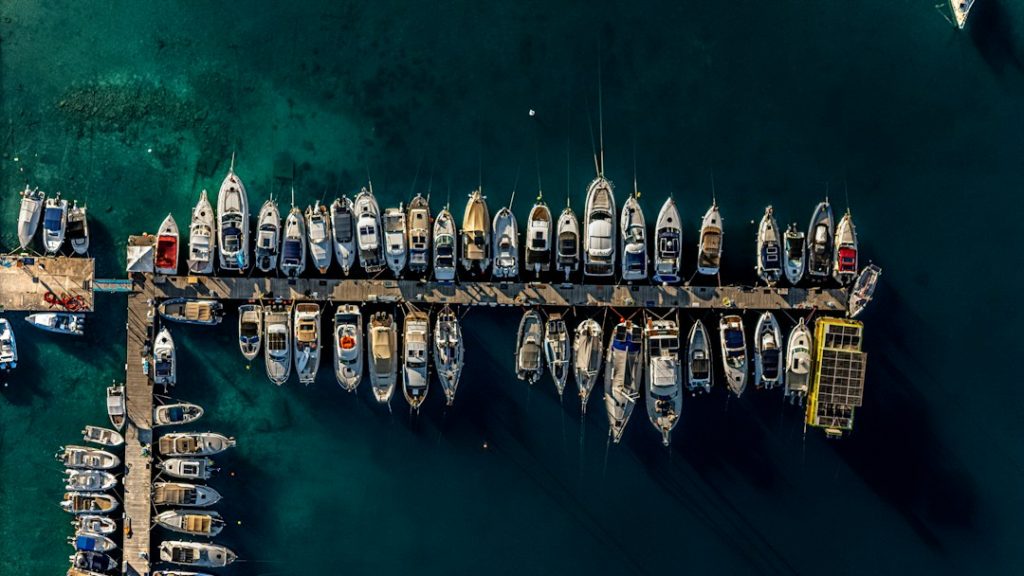
The Saronic competitor list starts with Anduril, Saildrone, MARTAC, and Ocean Aero. These four companies matter because they all build or support unmanned systems for defense, patrol, sensing, or sea control. Saronic is getting attention for autonomous surface vessels, and it reportedly raised $175 million in 2024 to scale that work [source: Reuters]. That makes the fight very real.
TLDR: Saronic is not alone. Its closest rivals include Anduril, Saildrone, MARTAC, and Ocean Aero. A simple use case: a port could run 6 to 10 autonomous boats to watch fuel docks, bridges, and ship lanes for 24 hours, while cutting crew hours by 40% or more. The winner will be the company that builds reliable boats, useful software, and systems that military teams can fix without a 200-page manual.
Why Saronic Has Serious Competition
Saronic builds autonomous surface vessels. Think of them as smart patrol boats. No sleeping crew. No snack breaks. No one getting seasick.
These boats can scout, watch, map, and carry sensors. Some may support defense missions near ports, islands, and contested waters. That sounds simple. It is not.
The ocean is rude. Salt breaks things. Waves bully small craft. GPS can fail. Radios get messy. Honestly, it feels like every vendor says “AI,” then the boat still needs three humans staring at a laptop.
That is why competitors matter. The best company is not just the one with the coolest demo. It is the one that works on a wet Tuesday at 3 a.m.
1. Anduril Industries
Anduril is one of the biggest names in defense technology. It builds drones, sensors, command software, and autonomous systems. It also moved deeper into maritime systems after buying Dive Technologies, which made large autonomous undersea vehicles.
Anduril’s strength is its full system approach. It does not just sell a robot. It sells the brain, the sensors, the network, and the control screen.
- Best at: defense software, autonomy, sensors, full mission systems.
- Why it competes with Saronic: both want military customers that need unmanned systems at sea.
- Weak spot: big systems can mean big buying cycles.
Anduril is like the kid in class who brought a robot, a radar, and a PowerPoint before anyone else found a chair. Annoying? Yes. Effective? Also yes.
2. Saildrone
Saildrone makes unmanned surface vehicles that can spend long periods at sea. Its vessels are known for ocean data, mapping, surveillance, and maritime awareness. They look odd, but that is part of the charm.
Saildrone has done work with public agencies and defense users. Its systems can monitor large areas without needing a crewed ship nearby. That is a big deal. Crewed ships are expensive. Fuel is expensive. People are expensive.
- Best at: long missions, ocean sensing, mapping, patrol support.
- Why it competes with Saronic: both offer unmanned surface craft for maritime awareness.
- Weak spot: some missions need speed, payload, or toughness that smaller systems may not offer.
Saildrone is not trying to win a speed race. It is trying to stay out there longer than everyone else. That matters for surveillance.
3. MARTAC
MARTAC stands for Maritime Tactical Systems. Its best-known products include MANTAS and Devil Ray unmanned surface vessels. These are built for speed, patrol, and tactical missions.
MARTAC feels closer to the “small, fast, useful boat” side of the market. That makes it a direct Saronic rival in some mission types. If a customer wants unmanned boats for security patrols, MARTAC will likely appear in the same conversation.
- Best at: fast surface drones, patrol craft, tactical use.
- Why it competes with Saronic: both target defense and security teams that need unmanned boats.
- Weak spot: smaller firms can face pressure when programs scale fast.
The catch is that speed is fun in a demo, but maintenance decides the real winner. If a part takes 18 days to replace, users remember.
4. Ocean Aero
Ocean Aero makes hybrid ocean drones. Its Triton platform can operate on the surface and under the water. That is a neat trick. It gives customers more mission options from one system.
This company is interesting because it sits between two worlds. It is part surface vessel and part underwater drone. That can help with sensing, secrecy, and long-range missions.
- Best at: hybrid surface and underwater operations.
- Why it competes with Saronic: it offers unmanned maritime tools for defense, security, and data collection.
- Weak spot: hybrid systems can be harder to explain, buy, and support.
Ocean Aero is not a plain patrol boat maker. It is more like a sea gadget with a serious job.
Quick Comparison
- Saronic: autonomous surface vessels for defense missions.
- Anduril: large defense tech platform with strong autonomy software.
- Saildrone: long-endurance ocean sensing and patrol.
- MARTAC: fast unmanned surface boats for tactical use.
- Ocean Aero: hybrid systems that work above and below the surface.
If you are tracking this market, do not only compare boat size. Compare payload, range, speed, software, repair time, and cyber risk. A hacked or jammed sea drone is just an expensive bathtub toy. For more on related defense security issues, see this guide on cybersecurity defense basics.
What Buyers Should Watch
Here is the simple buyer checklist:
- Can it last? Salt water destroys weak gear.
- Can it talk? Bad comms ruin good autonomy.
- Can it be fixed fast? Fancy hardware is useless in a box.
- Can it work with other tools? No one wants another lonely dashboard.
- Can it resist cheap attacks? Even basic spam and bot lessons apply, like the ideas in honeypots, tokens, and rate limits.
Saronic has momentum. That helps. But Anduril has scale. Saildrone has endurance. MARTAC has speed. Ocean Aero has a clever hybrid angle.
The sea drone race is still early. The winners will not just build cool boats. They will build boats that show up, stay online, finish the mission, and come home without drama.
