How Modern Trading Platforms Work: Inside the Systems Behind Digital Markets
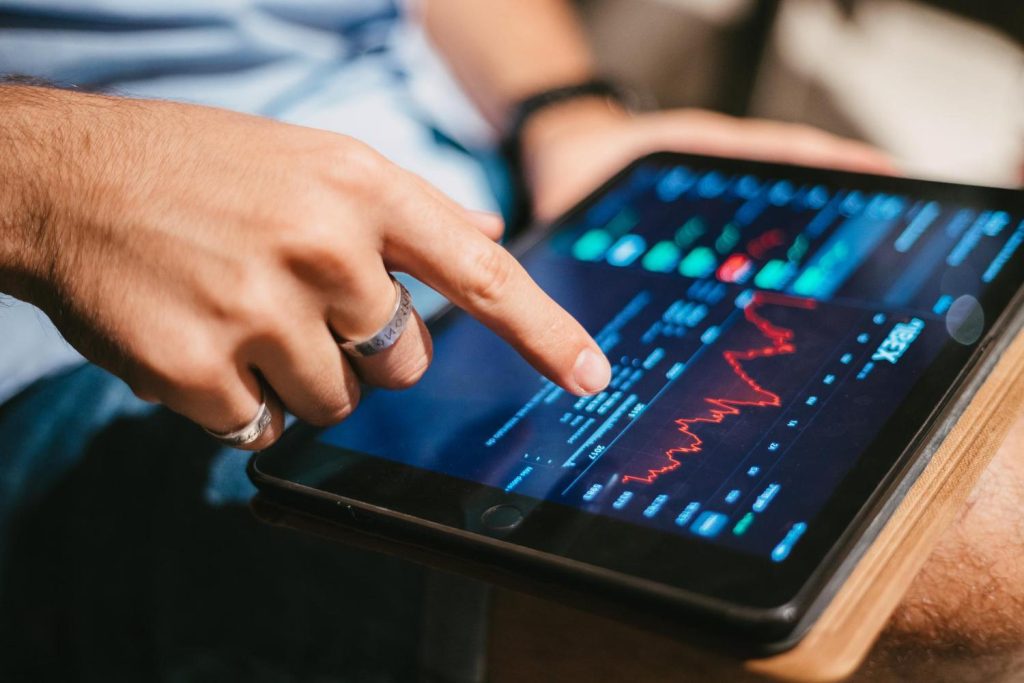
Modern trading platforms are often praised for their simplicity. With clean dashboards, intuitive controls, and real-time updates, they make it possible for users to interact with financial markets in just a few clicks. But beneath that simplicity lies a sophisticated network of systems designed to process data, execute orders, and manage risk continuously.
Understanding how these platforms work is essential, not only for developers and technically minded users, but also for anyone who relies on them to make financial decisions. Behind every chart and button is an infrastructure that determines how efficiently and accurately trades are executed.
The Foundation: Data Flow and Market Feeds
At the core of any trading platform is data. Prices, order book depth, transaction history, and market sentiment are all continuously updated through real-time data feeds. These feeds aggregate information from multiple sources, including exchanges and liquidity providers.
The platform processes this data almost instantly, translating it into charts, indicators, and actionable insights. This is why users can see price movements in real time and respond accordingly.
However, handling this level of data requires advanced systems capable of:
- Processing large volumes of information with minimal latency
- Maintaining synchronization across global markets
- Delivering consistent updates to user interfaces
Without this foundation, even the most visually appealing platform would fail to provide reliable functionality.
Order Execution and Matching Engines
When a user places a trade, the platform’s execution system takes over. This involves routing the order to a matching engine, where it is paired with a corresponding buy or sell order.
Matching engines operate at high speed, prioritizing efficiency and fairness. They must:
- Match orders based on price and time priority
- Handle large volumes of transactions simultaneously
- Minimize delays to ensure accurate execution
Even slight inefficiencies can result in slippage, where the executed price differs from the expected price. This is why performance at the system level is critical for maintaining trust in a platform.
Risk Management Systems in Real Time
One of the most important, and often overlooked, components of trading platforms is the risk management system. These systems operate continuously, monitoring user positions and ensuring that trades remain within defined limits.
In environments that support leveraged trading, this becomes even more complex. Systems must track:
- Collateral levels
- Margin requirements
- Exposure across open positions
- Potential liquidation thresholds
Within these environments, users interact with infrastructure that handles these calculations automatically. For example, Kraken margin trading tools operate as part of a broader system that allows positions to be adjusted dynamically while continuously evaluating risk based on current market conditions. In practice, this includes real-time monitoring of margin requirements, collateral balances, and open exposure, along with the ability to take both long and short positions using leverage within predefined limits. These systems are also closely tied to order execution engines and pricing data, ensuring that any changes in position size or risk profile are reflected instantly across the platform. This integration ensures that risk is managed in real time, without requiring manual intervention for every adjustment.
Interface Design and User Interaction
While backend systems handle execution and risk, the front-end interface determines how users interact with those capabilities. A well-designed interface translates complex processes into accessible actions.
Key elements include:
- Order panels, where users specify trade details
- Charts and indicators, providing visual context
- Position dashboards, showing active trades and exposure
- Alerts and notifications, highlighting important changes
The challenge lies in balancing simplicity with functionality. Platforms must present enough information for informed decision-making without overwhelming the user.
This is where design plays a critical role. Effective interfaces guide users through complex processes while maintaining clarity.
Automation and System Responsiveness
Automation is another defining feature of modern trading platforms. Many processes that once required manual input are now handled automatically.
This includes:
- Executing predefined orders based on market conditions
- Adjusting risk parameters as positions change
- Monitoring system performance and stability
Automation improves efficiency, but it also increases reliance on system accuracy. If a platform fails to respond correctly to changing conditions, the consequences can be immediate.
This is why continuous monitoring and system resilience are essential components of platform design.
Infrastructure at Scale
Trading platforms operate at a global scale, supporting users across different regions and time zones. This requires infrastructure that can handle:
- High traffic volumes
- Continuous uptime
- Secure data transmission
Cloud-based systems, distributed servers, and redundancy mechanisms are often used to ensure reliability. These technologies allow platforms to remain operational even during periods of intense market activity.
Scalability is particularly important in digital markets, where sudden spikes in trading volume can occur without warning.
Security and System Integrity
Security is a critical concern for any financial platform. Users trust these systems with sensitive data and capital, making protection against threats a top priority.
Key security measures include:
- Encryption of data in transit and at rest
- Multi-factor authentication
- Monitoring for suspicious activity
- Regular system audits
Maintaining system integrity is not only about preventing external threats, but also about ensuring that internal processes function as intended.
A Broader Technological Perspective
The complexity of modern trading platforms reflects a broader trend in digital systems. As technology evolves, platforms across industries are becoming more integrated, automated, and data-driven.
According to the MIT Technology Review, advanced digital systems increasingly rely on real-time data processing and automated decision frameworks to operate efficiently at scale. This principle applies directly to trading platforms, where speed and accuracy are essential.
Understanding these systems provides insight into how digital markets function and how technology continues to reshape financial interactions.
Why This Matters for Users
For most users, the technical details of trading platforms remain invisible. However, these details influence every aspect of the experience, from execution speed to risk management.
By understanding how platforms work, users can:
- Make more informed decisions
- Recognize the importance of system performance
- Use advanced features more effectively
This knowledge transforms the platform from a simple interface into a tool that can be used with greater precision and confidence.
Modern trading platforms are far more than user-friendly interfaces. They are complex systems built on layers of data processing, execution engines, risk management, and automation. While the front-end experience is designed for simplicity, the underlying infrastructure is responsible for ensuring accuracy, efficiency, and reliability. As digital markets continue to evolve, these systems will become even more advanced, further shaping how users interact with financial environments.
Understanding this hidden complexity is not just a technical exercise, it is a practical advantage. In a world where digital tools play an increasingly central role, knowing how they work is key to using them effectively.