
Content at Scale: How to Build a Repeatable SEO Content Workflow Without Sacrificing Quality

SEO content at scale works best when the team treats content like a controlled production system, not a monthly scramble. Each article needs a clear purpose, a repeatable brief, a quality check, and a feedback loop after it goes live. Scale should mean fewer random decisions, not more rushed drafts.
TLDR: A repeatable SEO workflow helps teams publish more without turning content into thin, forgettable copy. For example, a B2B SaaS team that moved from 8 to 32 articles per month grew organic sessions from 18,000 to 27,900 in six months while keeping demo conversion near 4%. The key was not “more writers.” It was better briefs, tighter editing, and monthly content refreshes. Quality stayed high because every article followed the same research, review, and performance process.
Start with a content system, not a content calendar
A calendar shows dates. A system explains why each piece exists, who owns it, what standard it must meet, and how success will be measured. Without that system, teams often publish because a slot is empty. That is how weak articles sneak into the site.
A strong SEO content workflow usually includes:
- Topic selection: Search intent, business value, and audience pain points.
- Content briefs: Required structure, target queries, internal links, expert notes, and examples.
- Production: Writing, editing, design, SEO review, and publishing.
- Quality control: Fact checks, originality checks, formatting, and brand review.
- Performance review: Rankings, clicks, conversions, assisted revenue, and refresh needs.
It sounds obvious. Yet many teams skip half of it because the deadline is close. That is when quality drops.
Build topic clusters before assigning articles
Publishing at scale becomes easier when topics are grouped into clusters. A cluster gives the team a map. It connects broad pillar pages with supporting articles that answer narrower questions.
For example, a company selling payroll software might create a cluster around small business payroll. Supporting articles could cover payroll taxes, pay schedules, contractor payments, wage laws, and payroll software comparisons. Each article supports the larger theme and links back to the main resource.
This approach helps in three ways:
- It prevents random topic choices.
- It improves internal linking.
- It helps search engines understand topical depth.
The best topics sit at the overlap of search demand, business fit, and reader need. If a keyword has traffic but no link to the product or service, it may bring visitors who never convert. If a topic has business value but no search behavior, it may need another channel instead.
Create briefs that remove guesswork
A good brief is the backbone of scalable content. It should not be a vague note like “write 1,500 words about CRM tips.” That forces the writer to make too many decisions, and results vary wildly.
A useful brief includes:
- Primary keyword and related terms.
- Search intent, such as informational, commercial, or comparison.
- Audience profile, including role, problem, and level of knowledge.
- Suggested headings based on reader questions.
- Required examples, data points, or expert input.
- Internal links to include.
- Angle that makes the article different from competing results.
Honestly, it feels like some content tools add three extra clicks just to export a brief that still needs cleanup. Teams should not accept clunky handoffs. The brief should be easy to read, easy to edit, and clear enough that a new writer can produce a solid first draft.
Protect quality with defined roles
Scaling content does not mean one person should do everything faster. That usually leads to burnout and bland work. A mature workflow splits tasks by skill.
Common roles include:
- SEO strategist: Selects topics, plans clusters, and tracks performance.
- Subject expert: Adds experience, examples, and technical accuracy.
- Writer: Turns the brief into a useful article.
- Editor: Improves clarity, structure, tone, and accuracy.
- SEO reviewer: Checks search intent, headings, links, metadata, and schema needs.
- Publisher: Formats the article, adds visuals, and runs final checks.
Not every company needs six separate people. Smaller teams can combine roles. The key is that each responsibility is named. If no one owns the final quality check, no one should be surprised when errors go live.

Use AI carefully, not blindly
AI can speed up research, outlines, summaries, and first-draft support. It can also produce generic copy that sounds polished but says very little. That is the annoying part. The words arrive quickly, but the editor may spend 40 minutes removing fluff that should not have been there.
Teams should use AI for specific tasks, such as:
- Grouping keyword lists by intent.
- Drafting outline options.
- Finding common questions from readers.
- Summarizing interview notes.
- Creating title tag variations.
AI should not replace expert review. It should not invent data. It should not publish without human editing. At scale, trust matters. One false claim can damage a brand far more than one late article.
Set a quality checklist before publishing
Quality should not depend on someone “having a good eye.” It needs a checklist. This keeps standards steady when volume rises.
A strong pre-publish checklist asks:
- Does the article satisfy the search intent in the first few sections?
- Is the advice specific, current, and useful?
- Are claims supported by data, examples, or expert input?
- Are headings clear and easy to scan?
- Are internal links helpful, not forced?
- Is the call to action relevant to the topic?
- Does the article add something better than the current top results?
This checklist should be short enough to use every time. If it turns into a 60-point audit, people will ignore it. Practical beats perfect.
Measure content after it goes live
Publishing is not the finish line. It is the start of the measurement phase. Teams should review new content after 30, 60, and 90 days. Older articles should be checked every quarter or twice a year, based on value.
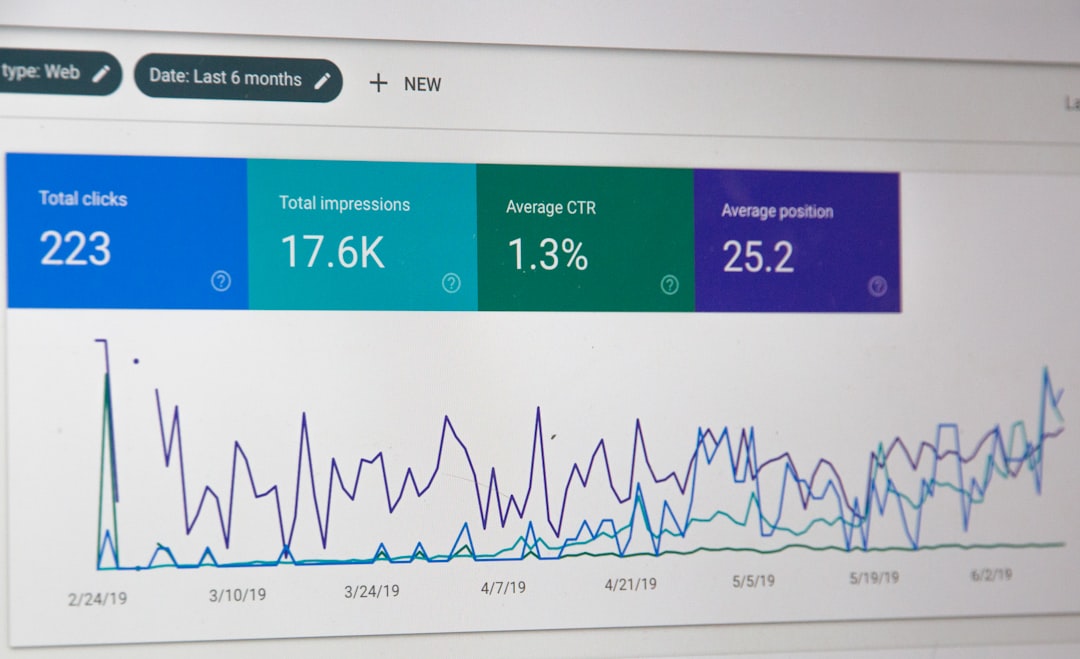
Useful metrics include:
- Impressions: Shows if Google is testing the page.
- Click-through rate: Shows if the title and meta description are working.
- Average position: Reveals ranking progress.
- Engagement time: Shows whether readers stay.
- Conversions: Tracks signups, demos, purchases, or leads.
- Internal link clicks: Shows movement through the site.
If an article gets impressions but few clicks, the title may need work. If it ranks on page two, it may need more depth, better links, or clearer structure. If it gets traffic but no conversions, the intent may be too far from the offer.
Refresh content as part of the workflow
Content decay is normal. Rankings drop. Statistics age. Competitors improve their pages. A scalable system must include refresh work, not just new production.
Refreshes can include:
- Updating outdated facts and screenshots.
- Adding expert quotes or first-hand examples.
- Improving introductions that take too long to answer the query.
- Adding missing subtopics from search data.
- Strengthening internal links from newer pages.
A smart team often gets faster gains from updating old content than from publishing a new post. Pages with rankings in positions 5 to 20 are often strong refresh candidates.
Scale only what already works
The safest way to scale is to prove the workflow at a smaller volume first. A team might test 10 articles across one topic cluster, review results, fix bottlenecks, and then expand to 30 articles per month. That prevents expensive mistakes.
Repeatable SEO content is not about flooding a site. It is about building a machine that produces useful answers on schedule. When strategy, briefs, editing, and measurement work together, content can grow without losing its edge.
FAQ
How many articles should a team publish per month?
There is no fixed number. A small team may publish 4 strong articles per month. A larger team may publish 40. The right number depends on editorial capacity, expert access, and quality control.
What is the biggest risk of scaling SEO content?
The biggest risk is publishing generic articles that repeat what already ranks. Scale works only when each piece has a clear purpose, useful detail, and a reason to exist.
Can AI-written content rank in search results?
It can, but only if it is accurate, helpful, original, and reviewed by humans. Search performance depends on usefulness, not on how the first draft was created.
How often should old content be updated?
High-value pages should be reviewed at least every quarter. Lower-priority pages can be checked twice a year. Pages with falling clicks or outdated claims should move up the list.
What makes a content brief effective?
An effective brief explains search intent, audience needs, structure, required examples, internal links, and the article’s unique angle. It removes guesswork before writing starts.
