
10 Things Every Engineer Should Know Before Choosing a PCB Assembly Service
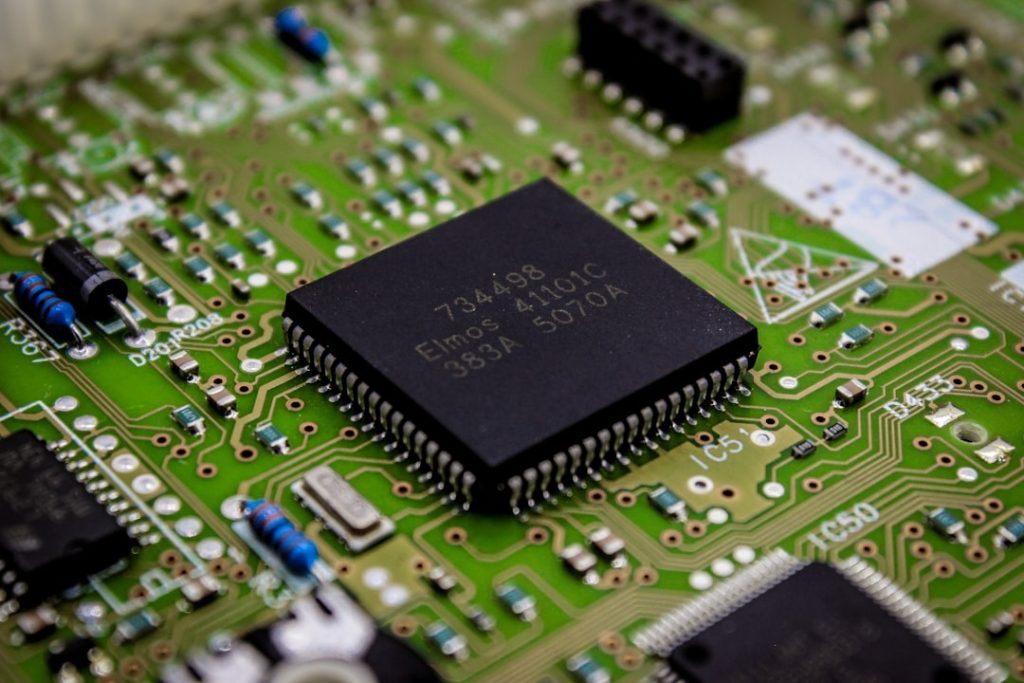
Choosing a PCB assembly service is one of those engineering decisions that looks straightforward until the details start multiplying. A quote may look attractive, a lead time may sound fast, and a website may promise “high quality,” but the real test is whether the assembly partner can reliably turn your design into functioning hardware without expensive surprises. For engineers, especially those moving from prototype to production, understanding what separates a capable PCB assembly provider from a risky one can save weeks of debugging, rework, and budget overruns.
TLDR: Before choosing a PCB assembly service, engineers should evaluate more than just price and turnaround time. The best partner will understand design for manufacturability, component sourcing, quality control, testing, communication, and scalability. A low quote can become expensive if it leads to assembly defects, delays, or redesigns. Treat your assembly provider as a technical partner, not just a vendor.
1. Know Whether They Support Your Type of Assembly
Not every PCB assembly service is suitable for every project. Some providers specialize in simple low-volume prototypes, while others are built for high-volume production, complex surface mount technology, or regulated industries such as medical, aerospace, and automotive electronics.
Before sending a design package, confirm whether the service supports the assembly methods your board requires. This may include SMT assembly, through-hole assembly, mixed technology, box build assembly, or flex and rigid-flex PCB assembly. If your design includes fine-pitch ICs, BGAs, microcontrollers, RF sections, or high-current components, ask whether they have direct experience with those technologies.
A provider may be excellent at assembling simple sensor boards but poorly equipped for dense multilayer boards with tight tolerances. Matching your project complexity to their capabilities is the first filter.
2. Evaluate Their Design for Manufacturability Support
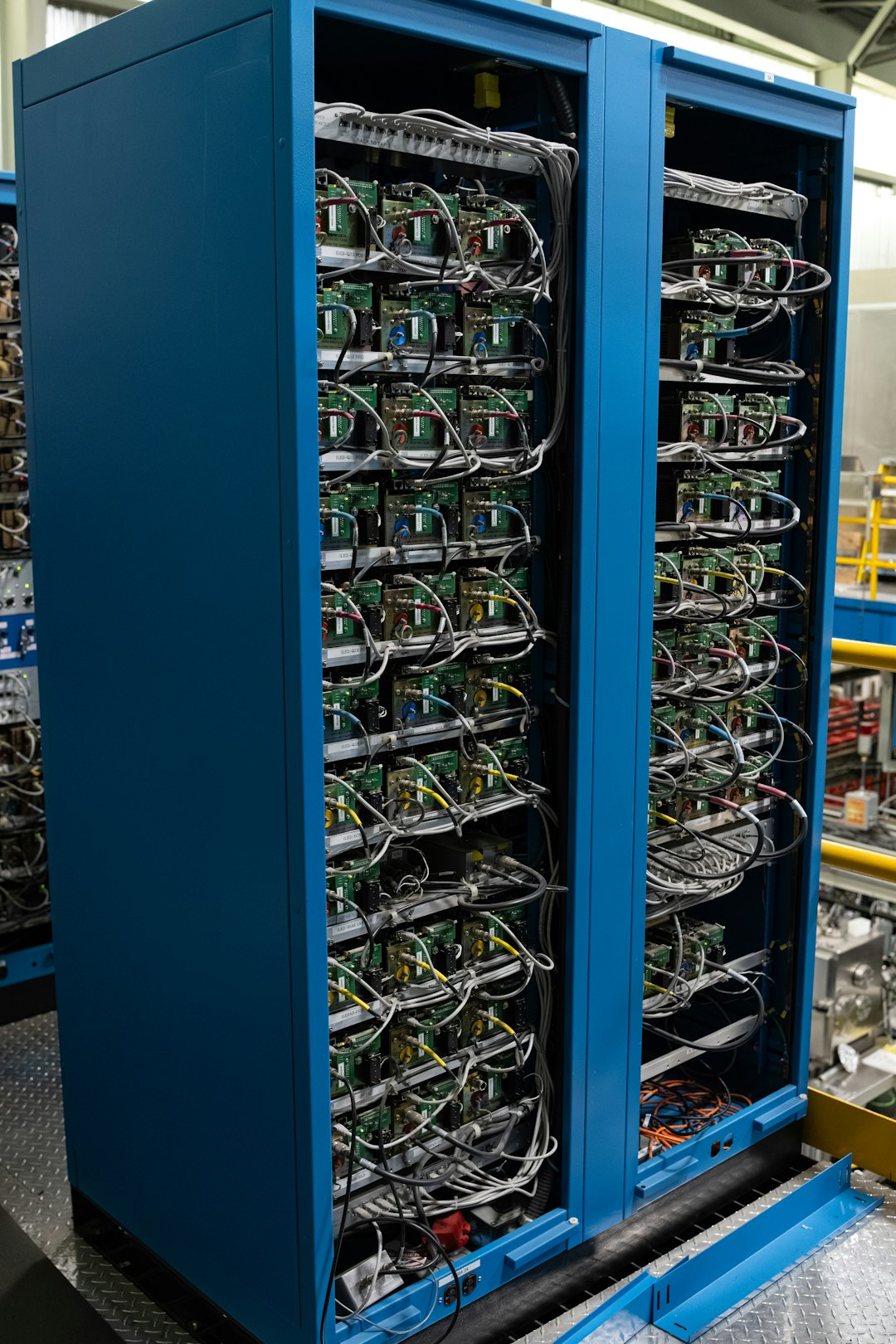
A good PCB assembly service does more than place parts on a board. It should help you identify potential manufacturing problems before production begins. This is where Design for Manufacturability, often called DFM, becomes essential.
DFM review can catch issues such as insufficient solder mask clearance, poor component spacing, incorrect footprints, awkward connector placement, thermal imbalance, panelization problems, and components that are too close to board edges. These may seem like small layout details, but they can cause major assembly defects.
Engineers should ask whether the assembler performs a formal DFM check before production. Ideally, they should provide clear feedback instead of simply rejecting your files or silently making assumptions. A useful DFM review should tell you what the issue is, why it matters, and how to fix it.
3. Understand Their Component Sourcing Process
Component sourcing can make or break a PCB assembly project. Even a flawless PCB design is useless if key parts are unavailable, obsolete, counterfeit, or substituted incorrectly.
Before choosing an assembly service, ask how they handle the Bill of Materials. Do they source components themselves, require you to provide parts, or support both consigned and turnkey assembly? In a turnkey assembly model, the provider purchases the components, fabricates the PCB, assembles the board, and often performs testing. In a consigned assembly model, you supply some or all components.
Engineers should pay close attention to how the provider manages alternates. Component substitutions are common, especially during supply chain shortages, but they should never happen without approval. A capacitor with the same capacitance but different voltage rating, dielectric type, tolerance, or package size may not perform as expected. The same is true for regulators, oscillators, connectors, and RF components.
- Ask if they use authorized distributors.
- Confirm their counterfeit prevention process.
- Review how they handle obsolete or long lead time parts.
- Require approval before component substitutions.
4. Check Their Quality Certifications and Inspection Methods
Quality claims should be supported by processes, equipment, and certifications. Depending on your application, you may need an assembler that follows standards such as IPC-A-610, ISO 9001, ISO 13485, AS9100, or other industry-specific requirements.
Certification alone does not guarantee perfect work, but it shows that the company has documented procedures and is subject to audits. More important is how they inspect and validate the assembled boards.
Common inspection methods include automated optical inspection, X-ray inspection, manual visual inspection, and in-circuit testing. X-ray inspection is particularly important for hidden solder joints under BGAs, QFNs, and other bottom-terminated components. Without it, certain defects can remain invisible until the board fails in the field.
If your board is mission-critical, do not rely only on a final visual check. Ask what inspection is performed at each stage: solder paste deposition, component placement, reflow, through-hole soldering, cleaning, and final test.
5. Look Closely at Testing Capabilities
Assembly inspection and functional testing are not the same thing. A board can look perfectly assembled and still fail electrically due to component damage, firmware issues, incorrect programming, polarity problems, or subtle solder defects.
Before selecting an assembler, decide what level of testing your product requires. For prototypes, a basic power-on test might be enough. For production units, you may need functional testing, boundary scan, in-circuit test fixtures, firmware programming, calibration, or environmental stress testing.
It is often best for engineers to design testability into the PCB from the beginning. Include test points, programming headers, accessible ground points, and diagnostic LEDs where appropriate. If your assembly partner offers test fixture development, involve them early. They can help you avoid layouts that are difficult or expensive to test.
Image not found in postmeta6. Consider Lead Times Realistically
Fast assembly is appealing, especially when a project schedule is under pressure. However, engineers should be cautious of unrealistic lead time promises. PCB assembly depends on several variables: bare board fabrication, component availability, stencil preparation, machine setup, production queue, inspection, testing, and shipping.
A reliable provider will give you a lead time that reflects the actual project details. A less reliable one may advertise rapid turnaround but later delay the build because a component is missing or a file problem was discovered too late.
When comparing lead times, clarify exactly what is included. Does the quoted schedule begin when you upload files, when payment is received, when all components arrive, or when engineering questions are resolved? These distinctions matter.
The fastest service is not always the best service. A slightly longer lead time with proper review, sourcing, and inspection is often better than a rushed build that requires rework.
7. Review Their Communication Style
Communication is one of the most underestimated factors in PCB assembly. When everything goes well, it may not seem important. But when a footprint does not match a component, solder paste data is missing, or a part is unavailable, communication becomes critical.
A good PCB assembly service will ask precise questions and respond quickly. They should be comfortable discussing Gerber files, pick and place data, centroid files, BOM formatting, polarity markings, panelization, solder paste layers, and testing requirements.
Watch for warning signs during the quoting process. If responses are vague, slow, or overly generic, communication may become worse once production starts. On the other hand, a provider that catches inconsistencies during quoting is demonstrating technical awareness.
Engineers should also ask whether there will be a dedicated project manager or engineering contact. Having one accountable person can reduce confusion and prevent important details from being lost in long email chains.
8. Compare Pricing Beyond the Bottom Line
Price matters, but the lowest quote is not always the best value. PCB assembly cost depends on board complexity, component count, placement density, package types, stencil requirements, testing, inspection, sourcing, and order quantity.
When reviewing quotes, look for transparency. A good quote should separate major cost categories such as PCB fabrication, component procurement, assembly labor, tooling, stencil, inspection, testing, engineering review, and shipping. If everything is bundled into one vague number, it becomes harder to understand what you are actually paying for.
Also watch for hidden costs. Some providers charge extra for rework, engineering support, partial kitting, moisture-sensitive device handling, test fixture setup, programming, or expedited sourcing. These fees may be reasonable, but they should be disclosed clearly.
The best pricing decision is based on total project risk, not just unit cost. A slightly higher assembly price may be worthwhile if it reduces defects, prevents schedule delays, and improves production yield.
9. Make Sure They Can Scale With You
An assembly partner that works well for five prototypes may not be suitable for five thousand production units. Conversely, a large production-focused manufacturer may not be flexible enough for early engineering revisions.
Before choosing a service, think about your product roadmap. Are you building a one-time prototype, a pilot run, or a product that may go into mass production? Ask whether the provider can support multiple stages, from prototype validation to low-volume production and higher-volume manufacturing.
Scaling introduces new concerns: repeatability, yield tracking, process documentation, component lifecycle management, traceability, and production test automation. If your design will eventually require regulatory approval or customer audits, choose a partner that can maintain records and process controls from the start.
It is painful to switch assembly providers after your product has already launched. If possible, select a service that can grow with your project while still supporting engineering changes during early development.
10. Prepare Clean and Complete Manufacturing Files
Even the best PCB assembly service cannot compensate for incomplete or ambiguous documentation. Engineers should provide a complete manufacturing package to reduce mistakes and avoid delays.
At minimum, your assembly package should include:
- Gerber files or ODB++ data for PCB fabrication
- Drill files with correct units and formats
- Bill of Materials with manufacturer part numbers
- Pick and place file with coordinates and rotation data
- Assembly drawings showing component placement and polarity
- Schematic if needed for review or testing
- Testing instructions and firmware files if applicable
- Special handling notes for sensitive components
Polarity deserves special attention. Diodes, LEDs, electrolytic capacitors, ICs, connectors, and battery holders must be clearly marked. Do not assume that the assembler will interpret every footprint exactly as you intended. If your PCB silkscreen is minimal, use an assembly drawing to remove ambiguity.
It is also wise to include revision numbers on all files. A surprising number of assembly problems come from mismatched revisions, such as an updated BOM paired with old Gerbers. Clear revision control prevents confusion and helps both sides track changes.
Bonus Consideration: Location and Logistics
Although not always part of the technical evaluation, location can influence communication, shipping time, import duties, and issue resolution. Offshore assembly may offer cost advantages, especially at volume, while domestic assembly can simplify collaboration, accelerate prototypes, and reduce shipping complexity.
The right choice depends on your priorities. For early prototypes with frequent design changes, a nearby assembler may be easier to work with. For mature products with stable documentation, a distant high-volume facility may make economic sense. Many companies use different partners for prototyping and production, but this requires careful transfer of documentation and process knowledge.
Red Flags Engineers Should Not Ignore
While evaluating PCB assembly services, be alert for signs that a provider may create more problems than it solves. Some red flags are obvious, such as poor communication or missing certifications. Others are more subtle.
- They do not ask technical questions about unclear files or unusual components.
- They cannot explain their inspection process in specific terms.
- They substitute components without formal approval.
- They provide quotes that seem too low compared with all other suppliers.
- They refuse to share yield or defect information when requested.
- They lack experience with your board complexity or industry requirements.
A strong assembly partner will be transparent about limitations. If a provider says, “We can do everything,” but cannot explain how, proceed carefully.
Final Thoughts
Choosing a PCB assembly service is not just a purchasing decision; it is an engineering risk decision. The assembler becomes part of your product development process, influencing reliability, schedule, cost, and even design quality. That is why engineers should look beyond marketing claims and evaluate real capabilities.
The best PCB assembly services combine technical expertise, disciplined quality control, reliable sourcing, strong communication, and scalable production processes. They help you find problems before boards are built, not after they fail on the bench or in the field.
If you approach the selection process carefully, you gain more than assembled circuit boards. You gain a manufacturing partner who can help turn a promising design into dependable hardware. In electronics, that difference is often what separates a smooth product launch from a long and expensive debugging cycle.
