
Group Norms: Definition, Examples, Templates, and How to Establish Effective Team Norms

Teams are a lot like game nights. They are more fun when everyone knows the rules. Group norms are those rules. They help people work together without stepping on toes, missing turns, or flipping the board.
TLDR: Group norms are shared rules for how a team works, talks, meets, and solves problems. For example, a team may agree that meetings start on time, cameras are optional, and feedback should be kind but clear. In one simple team survey, 78% of people said they felt less stressed after their team wrote down meeting rules. Good norms make teamwork smoother, faster, and much less awkward.
What Are Group Norms?
Group norms are shared expectations that guide behavior in a group. They tell people what is okay, what is not okay, and what “good teamwork” looks like.
Some norms are written down. Others are unspoken. For example, if everyone answers messages within 24 hours, that may become a norm. If people always stay quiet when one person talks too much, that can become a norm too.
So yes, norms can be helpful. But they can also be weird little gremlins if nobody talks about them.
The goal is simple: make the invisible rules visible.

Why Group Norms Matter
Group norms help teams avoid confusion. They also reduce drama. That is a big win. Nobody wants a workplace that feels like a reality show with spreadsheets.
Strong team norms can help with:
- Clear communication: People know where and how to share updates.
- Better meetings: Meetings have purpose, timing, and structure.
- More trust: Team members know what to expect from each other.
- Faster decisions: The group knows how choices get made.
- Less conflict: Small problems are handled before they grow claws.
Norms are not about control. They are about clarity. They create a safe little map for teamwork.
Simple Definition of Group Norms
Here is the easiest definition:
Group norms are the agreed behaviors and expectations that help a group work well together.
That is it. No fancy jargon needed. A norm can be as simple as “we do not interrupt” or “we post project updates every Friday.”
Examples of Group Norms
Need ideas? Here are common group norms that real teams use.
Communication Norms
- Use chat for quick questions.
- Use email for formal updates.
- Respond to urgent messages within 2 hours.
- Assume positive intent.
- Ask questions before making judgments.
Meeting Norms
- Start and end on time.
- Share an agenda before the meeting.
- Invite only the people who need to be there.
- One person speaks at a time.
- End with clear action items.
Decision-Making Norms
- Use data when possible.
- Let the decision owner make the final call.
- Disagree openly, then commit.
- Write down big decisions.
Feedback Norms
- Give feedback early.
- Be specific, not vague.
- Focus on the work, not the person.
- Say what is working too.
Hybrid and Remote Work Norms
- Set working hours in your calendar.
- Do not expect instant replies all day.
- Record key meetings when needed.
- Share notes for people in other time zones.
See? Norms are not scary. They are just teamwork instructions with manners.
Group Norms vs. Rules
Rules are often formal. They may come from a company handbook. Break a rule, and there may be a clear penalty.
Norms are more about shared habits. They are built by the group. They can be flexible. They should be reviewed as the team changes.
Think of rules as traffic lights. Think of norms as learning how people like to drive together on a road trip. Who handles music? Who reads directions? Who gets snacks? Very important stuff.
Group Norms Template
Here is a simple template your team can copy and use.
Team Name: ____________________
Purpose of Our Norms:
We want to work together in a way that is clear, respectful, and effective.
Communication Norms:
- We use ____________________ for urgent messages.
- We use ____________________ for project updates.
- We respond within ____________________ when possible.
Meeting Norms:
- We start meetings at ____________________.
- We share agendas by ____________________.
- We end meetings with ____________________.
Decision Norms:
- We make decisions by ____________________.
- The final decision owner is ____________________.
- We document decisions in ____________________.
Feedback Norms:
- We give feedback in a way that is ____________________.
- We handle conflict by ____________________.
Review Date: ____________________
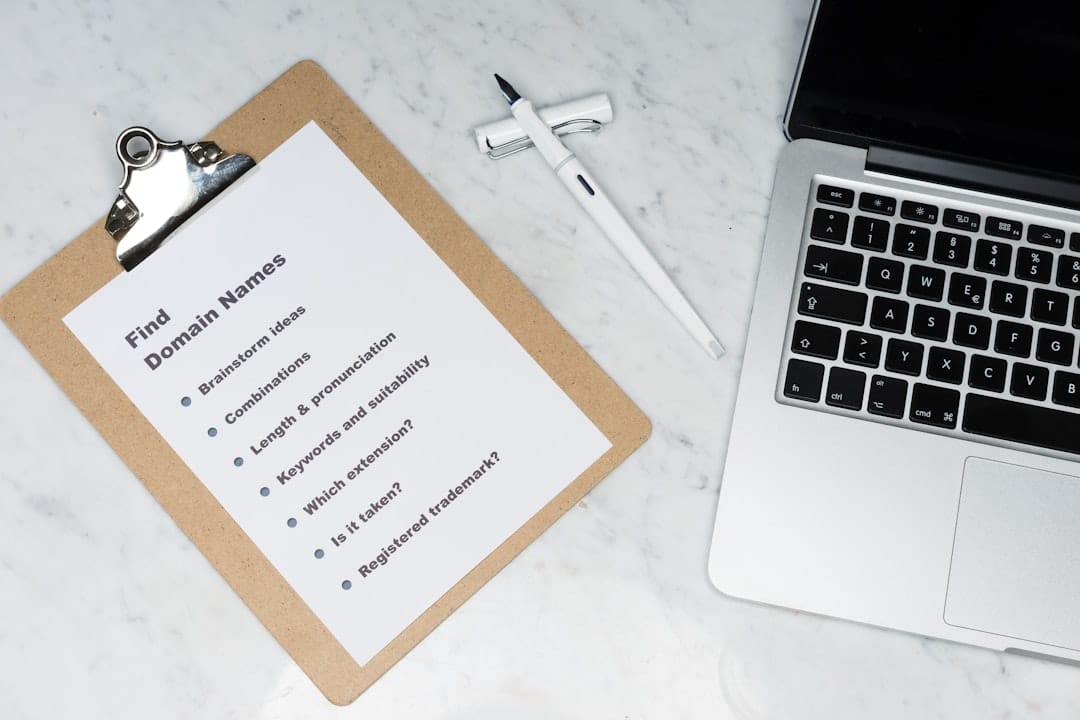
How to Establish Effective Team Norms
Creating team norms does not need to be a giant workshop with 47 slides. Keep it simple. Keep it human.
1. Talk About What Is Already Happening
Start by asking, “How do we work together now?” This helps the team spot current habits. Some will be good. Some will be messy. That is normal.
Ask questions like:
- What helps us do our best work?
- What slows us down?
- Where do we often get confused?
- What do we wish everyone understood?
2. Choose a Few Important Areas
Do not create 100 norms. Nobody will remember them. Aim for 5 to 10 core norms.
Focus on areas that matter most, such as meetings, communication, deadlines, feedback, and decisions.
3. Make the Norms Specific
Vague norms sound nice but do not help much.
Weak norm: “Communicate better.”
Strong norm: “Post project updates in the team channel every Friday by 3 p.m.”
Specific norms are easier to follow. They are also easier to discuss when something goes wrong.
4. Get Everyone Involved
Norms work best when the team helps create them. If one leader makes all the norms alone, people may ignore them. Or worse, they may nod politely and then do the exact opposite.
Invite every person to share ideas. Give quiet people time to think. Use a quick poll if needed.
5. Write Them Down
A norm that lives only in someone’s head is easy to forget. Write your norms in a shared place. Use a team document, project board, or onboarding guide.
This also helps new team members. They can learn “how we work here” without guessing.
6. Practice and Adjust
Norms are not stone tablets. They should change when the team changes. Review them every few months.
Ask:
- Which norms are working?
- Which ones are ignored?
- What should we add?
- What should we remove?
Good norms grow with the team.
A Short Team Norms Scenario
Imagine a five-person marketing team. They keep missing deadlines. Meetings run long. Chat messages fly around like popcorn.
So they create three norms:
- All tasks must have one owner and one due date.
- Meetings must include an agenda and end with action items.
- Non-urgent messages can wait up to 24 hours for a reply.
After one month, meeting time drops by 30%. Deadline misses go from six per month to two. The team also reports feeling calmer. Nobody becomes a magic unicorn. But work gets better.

Common Mistakes to Avoid
Even smart teams can mess up norms. Watch out for these traps.
- Too many norms: Keep the list short.
- Unclear wording: Make each norm easy to understand.
- No follow-up: Review norms often.
- Leader-only norms: Let the full team help build them.
- Ignoring bad habits: Talk about problems kindly and quickly.
Final Thoughts
Group norms are the small agreements that make teamwork easier. They help people know what to expect. They also make work feel less like guesswork and more like a shared mission.
Start small. Pick a few norms. Write them down. Test them. Improve them. Your team does not need perfect rules. It just needs clear, kind, and useful agreements that everyone can follow.
And if all else fails, begin with one powerful norm: no meeting without a reason. Your calendar will thank you.
