
What Are Invoices? Definition, Types, and Business Uses
Invoices may look like simple payment requests, but they play a much bigger role in business. They document what was sold, who bought it, when payment is due, and how money should move between parties. Whether you run a freelance studio, a retail store, a consulting firm, or a global supply chain, invoices help turn completed work into measurable revenue.
TLDR: An invoice is a formal document a seller sends to a buyer to request payment for goods or services. For example, a web designer might send a $2,500 invoice after completing a company website, with payment due in 14 days. Invoices help businesses track sales, manage cash flow, calculate taxes, and reduce payment disputes. According to many small business payment studies, late payments can affect more than 50% of small businesses, making clear invoicing essential.
What Is an Invoice?
An invoice is a commercial document issued by a seller to a buyer that lists products or services provided, the amount owed, payment terms, and other transaction details. It acts as both a request for payment and a record of the sale.
A typical invoice includes:
- Invoice number: A unique identifier used for tracking and accounting.
- Issue date: The date the invoice was created.
- Due date: The deadline for payment.
- Seller and buyer details: Names, addresses, emails, and tax information when needed.
- Description of goods or services: What was provided, including quantities and rates.
- Total amount due: Subtotal, taxes, discounts, fees, and final balance.
- Payment instructions: Bank details, online payment links, or accepted payment methods.
In everyday language, people sometimes use “invoice,” “bill,” and “receipt” interchangeably, but they are not the same. A bill usually asks for immediate payment, such as a restaurant bill. An invoice often includes payment terms, especially in business-to-business transactions. A receipt confirms that payment has already been made.
Why Invoices Matter in Business
Invoices are essential because they create a paper trail. Without them, businesses may struggle to prove what was sold, when it was delivered, and how much is owed. This can lead to confusion, delayed payments, tax problems, and disputes.
For small businesses, invoicing is closely tied to cash flow. Imagine a marketing consultant who completes five projects in a month, each worth $1,000. If invoices are sent late or missing key payment terms, that $5,000 may not arrive on time. Clear invoicing helps businesses plan payroll, buy supplies, cover rent, and invest in growth.
Invoices also support financial reporting. Accountants use them to record revenue, track accounts receivable, prepare tax filings, and evaluate performance. A company that issues 200 invoices per month can study payment patterns and discover, for example, that clients who receive invoices within 24 hours of project completion pay 18% faster than those invoiced a week later.
Common Types of Invoices
Different transactions require different invoice formats. Here are the most common types businesses use:
1. Standard Invoice
A standard invoice is the most familiar type. It lists goods or services, costs, taxes, payment terms, and contact information. It is used across industries, from graphic design and landscaping to wholesale supply.
2. Pro Forma Invoice
A pro forma invoice is sent before goods or services are delivered. It gives the buyer an estimate of costs, but it is not usually a formal demand for payment. Businesses often use it for custom orders, international trade, or projects that require approval before work begins.
3. Commercial Invoice
A commercial invoice is commonly used in international shipping. It includes information needed by customs authorities, such as product descriptions, country of origin, declared value, and shipping details. Without an accurate commercial invoice, shipments can be delayed at borders.
4. Recurring Invoice
A recurring invoice is issued at regular intervals, such as weekly, monthly, or annually. Subscription businesses, software providers, property managers, and retainers often use recurring invoices. For example, an IT support company might invoice a client $750 every month for ongoing maintenance.
5. Credit Invoice
A credit invoice, sometimes called a credit memo, reduces the amount a customer owes. It may be issued after a refund, pricing correction, returned item, or service adjustment. If a customer was overcharged by $100, the seller can issue a credit invoice to correct the balance.
6. Debit Invoice
A debit invoice increases the amount owed. It may be used when extra services are added, additional products are delivered, or an original invoice was undercharged. For instance, if a contractor discovers that a client requested extra materials, a debit invoice can document the extra cost.
7. Interim Invoice
An interim invoice is used for large projects that are billed in stages. Construction firms, agencies, consultants, and developers often use interim invoices to collect partial payments as work progresses. This helps sellers avoid waiting months to receive the full project fee.
Key Business Uses of Invoices
Invoices are more than administrative paperwork. They support several important business functions:
- Payment collection: Invoices clearly tell customers what they owe and when to pay.
- Legal protection: They can serve as evidence if a payment dispute arises.
- Tax compliance: Invoices help calculate sales tax, VAT, income, and deductible expenses.
- Inventory management: Product-based businesses can track what was sold and when.
- Customer communication: A professional invoice reinforces trust and sets expectations.
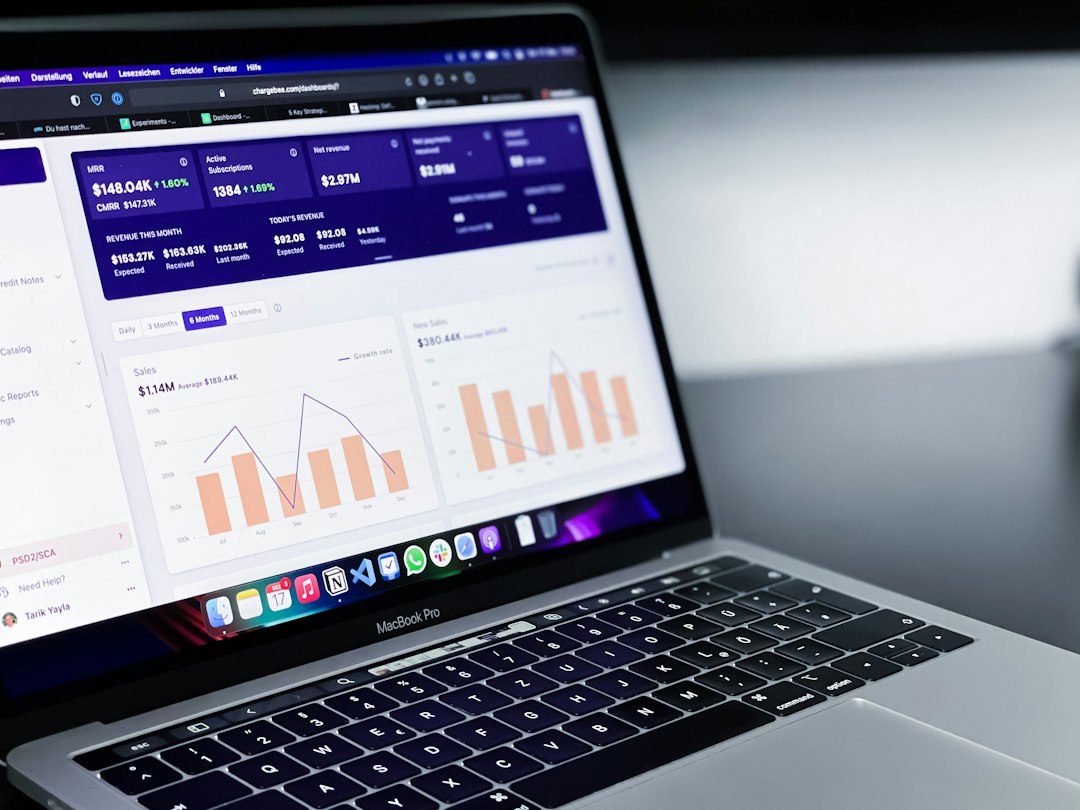
- Performance analysis: Businesses can identify top clients, popular services, and slow-paying accounts.
In a growing company, invoices also help separate revenue earned from cash received. This distinction matters because a business may have $40,000 in outstanding invoices but only $8,000 in the bank. Monitoring unpaid invoices helps leaders understand whether their sales are actually turning into usable cash.
What Makes a Good Invoice?
A good invoice is clear, accurate, and easy to pay. Confusing invoices often lead to delays because customers may need clarification before approving payment. The best invoices remove friction.
To create stronger invoices, businesses should:
- Use consistent invoice numbers so records are easy to organize.
- Write specific descriptions instead of vague lines such as “services rendered.”
- State payment terms clearly, such as “Due within 14 days” or “Net 30.”
- Include late fee policies if they apply and are legally permitted.
- Offer convenient payment methods, such as card payments, bank transfers, or digital wallets.
- Send invoices promptly while the work or purchase is still fresh in the customer’s mind.
Design also matters. A clean invoice with readable fonts, organized columns, and visible totals can make a business appear more professional. While style should never replace accuracy, presentation can influence how quickly an invoice is processed.

Digital Invoicing and Automation
Many businesses now use digital invoicing instead of manual spreadsheets or paper forms. Digital invoices can be created, sent, tracked, and stored electronically. Some systems also automate reminders, apply taxes, convert estimates into invoices, and generate payment reports.
Automation is especially useful for businesses with repeat customers. Instead of manually creating the same invoice every month, a recurring invoice can be scheduled automatically. This reduces errors and saves time. If a business sends 100 invoices monthly and each manual invoice takes five minutes to prepare, automation could save more than eight hours every month.
Final Thoughts
Invoices are one of the most practical tools in business. They define what was sold, document what is owed, and create structure around payment. From standard invoices to pro forma, recurring, commercial, credit, debit, and interim invoices, each type helps businesses manage different transaction needs.
At their best, invoices do more than request money. They improve cash flow, support accounting, strengthen customer relationships, and protect the business if questions arise later. For any organization that sells products or services, understanding invoices is not just an accounting detail—it is a core part of staying organized, professional, and financially healthy.
