
Turbines: 7 Types of Turbines and How They Work
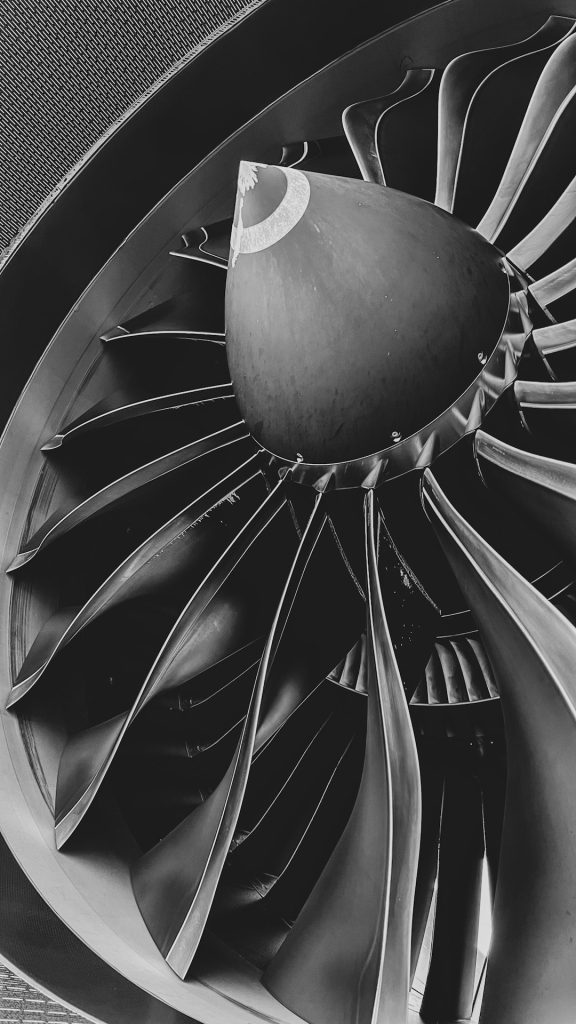
Turbines turn moving fluids into usable power by forcing steam, gas, water, wind, or ocean flow across shaped blades connected to a rotating shaft. That shaft can drive a generator, pump, compressor, propeller, or industrial machine. The core idea is simple: control the flow, spin the rotor, and convert energy with as little loss as possible.
TLDR: Turbines produce power by extracting energy from a moving fluid and turning it into rotation. The main types are steam, gas, wind, Francis, Pelton, Kaplan, and tidal turbines. For example, a 2 MW wind turbine running at a 35% capacity factor can generate about 6,100 MWh per year, enough for roughly 500 to 600 average U.S. homes. Choosing the wrong turbine type can cut output sharply, especially when flow rate, pressure, or water head is misjudged.
How Turbines Work
A turbine has three main parts: a working fluid, a rotor with blades, and a shaft. The fluid enters at high speed, high pressure, or both. It strikes or passes through the blades. The blades turn, and the shaft carries that rotation to useful equipment.
Most turbines work by one of two principles:
- Impulse action: The fluid is directed through nozzles and hits the blades at high velocity. The pressure drop happens mostly before the rotor.
- Reaction action: The fluid changes pressure as it moves through the rotor. The blades act a bit like small wings, creating lift and rotation.
Honestly, it feels like some brochures make turbine efficiency sound like magic. It is not. Efficiency depends on blade shape, flow control, pressure ratio, clearances, material limits, and how well the turbine matches its operating conditions.
1. Steam Turbines
Steam turbines are widely used in power plants, refineries, ships, and large industrial sites. They run on high-pressure steam produced by boilers, nuclear reactors, or heat recovery systems.
The steam expands through fixed nozzles and rotating blade rows. As it expands, its pressure and temperature fall. That energy becomes shaft rotation. In a power plant, the shaft turns an electrical generator, often at 3,000 or 3,600 rpm depending on grid frequency.
Steam turbines are valued because they can handle huge power levels. A single unit can produce hundreds of megawatts. They also work with many heat sources, including coal, gas, biomass, nuclear fuel, and waste heat. Their weakness is the supporting system. Boilers, condensers, pumps, water treatment, and controls add cost and complexity.
2. Gas Turbines
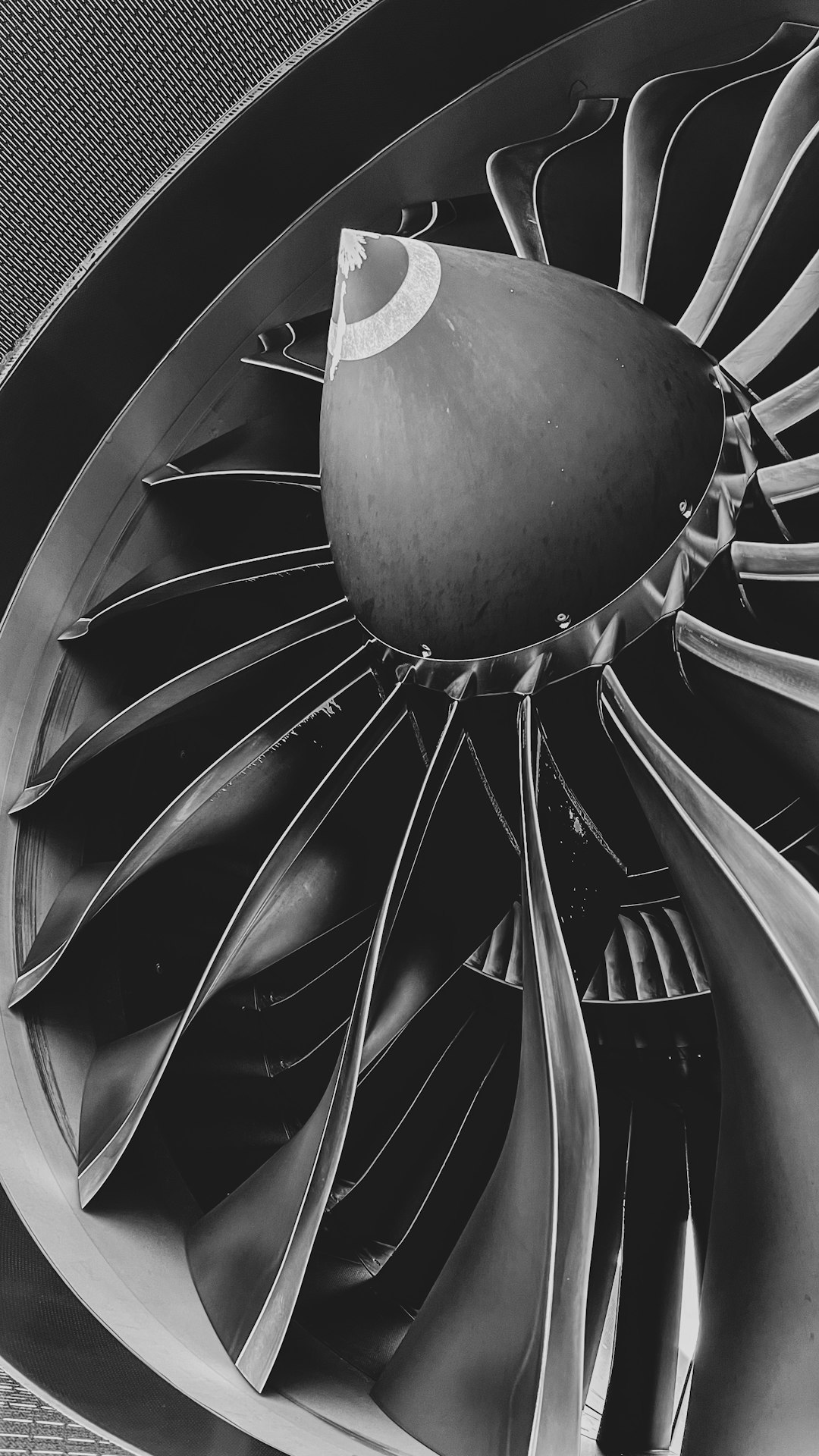
Gas turbines are common in aircraft engines, power plants, offshore platforms, and mechanical drive systems. They burn fuel in compressed air and use the hot gas to spin turbine blades.
A gas turbine has three sections:
- Compressor: Pulls in air and raises its pressure.
- Combustor: Mixes fuel with compressed air and burns it.
- Turbine: Extracts energy from the hot gas to drive the compressor and external load.
In aircraft, the turbine powers the compressor and fan. In power generation, it turns a generator. Simple-cycle gas turbines can start quickly, often within minutes, which makes them useful for peak electricity demand. Combined-cycle plants recover exhaust heat to make steam, raising total efficiency significantly.
3. Wind Turbines
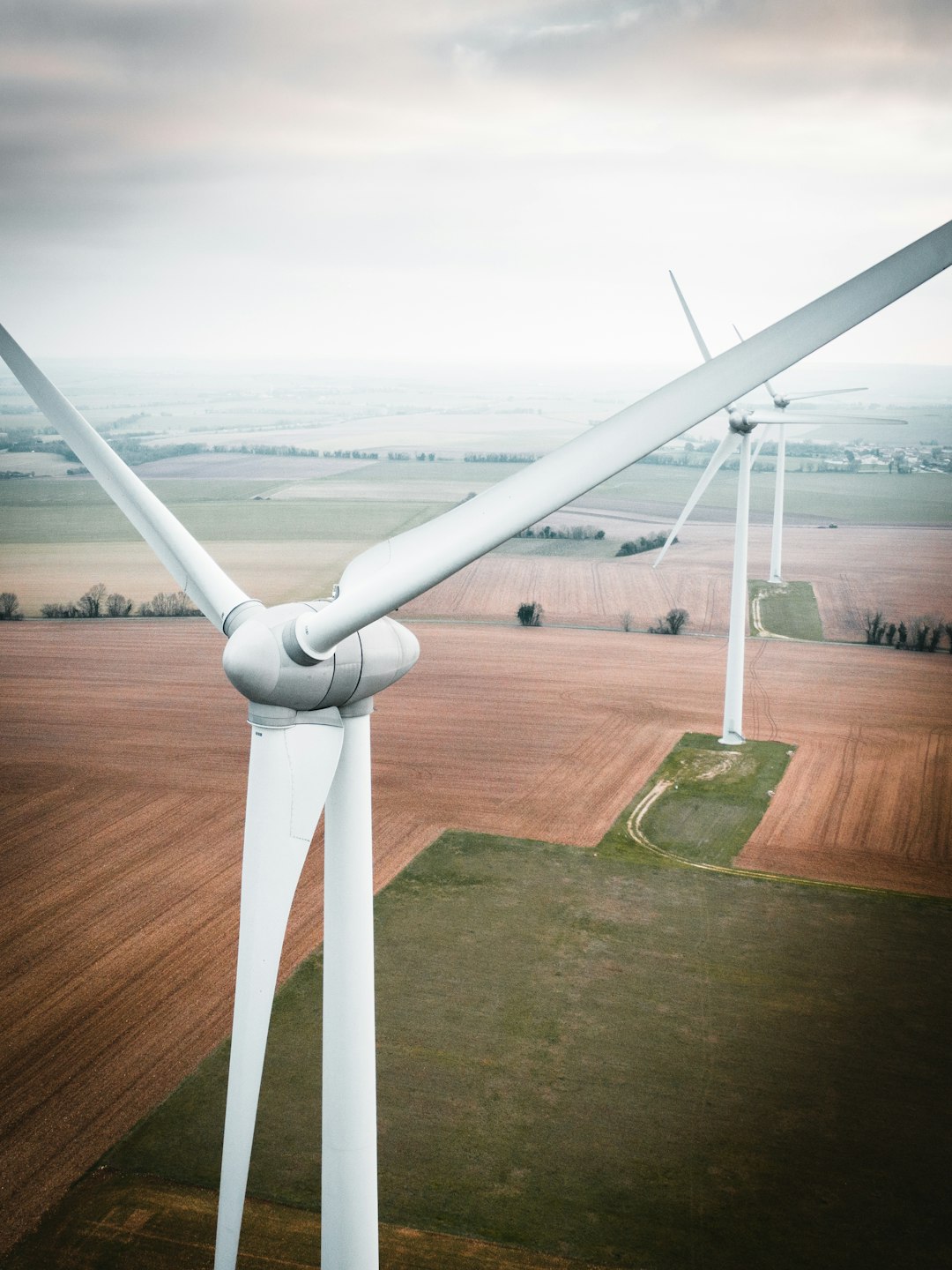
Wind turbines convert moving air into electricity. The wind passes over long blades, creating lift. That lift turns the rotor. The rotor drives a generator through a gearbox or direct-drive system.
Modern utility-scale wind turbines often range from 2 MW to more than 15 MW offshore. Their output depends heavily on wind speed. Since wind power rises roughly with the cube of wind speed, a small increase in wind can produce a large increase in power.
The catch is that wind is variable. A turbine may have a rated output of 5 MW but average far less over a year. That is why engineers use capacity factor, usually expressed as a percentage. Good onshore sites may reach 30% to 45%. Offshore sites can exceed that because winds are stronger and steadier.
4. Francis Turbines
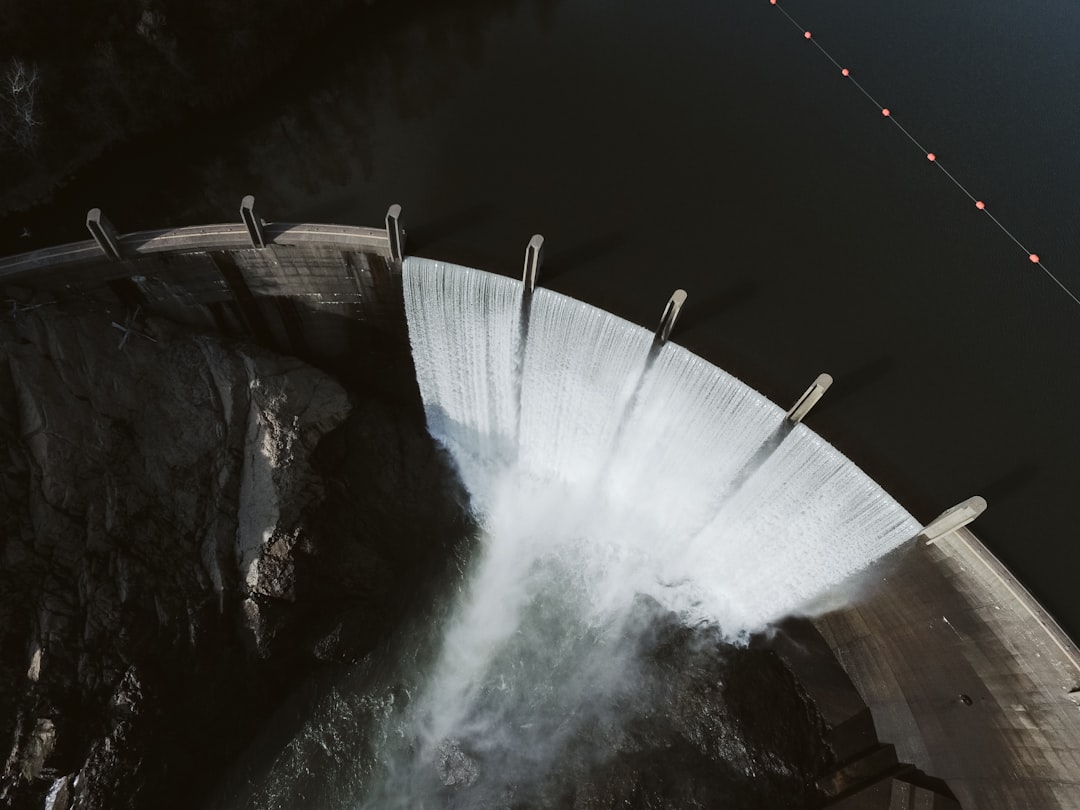
Francis turbines are the most common type of hydroelectric turbine. They are reaction turbines used for medium head and medium flow conditions. “Head” means the vertical height difference that gives water its pressure energy.
Water enters through a spiral casing and guide vanes. The guide vanes control flow and angle. Water then passes through the runner, where pressure and velocity drop as the runner spins. The water exits through a draft tube, which helps recover energy and improve efficiency.
Francis turbines are popular because they are flexible. They work across a broad range of hydro sites and can reach high efficiencies, often above 90% under good conditions. They are used in large dams and pumped-storage plants.
5. Pelton Turbines
Pelton turbines are impulse turbines built for high head and low flow. They are common in mountain hydropower sites where water falls from a great height through a penstock.
Water exits one or more nozzles as a high-speed jet. The jet strikes spoon-shaped buckets mounted around the runner. Each bucket splits and turns the water jet nearly back on itself. That change in momentum spins the wheel.
Pelton units are mechanically simple and highly effective where pressure is high. They do not need to be fully submerged. Their limitation is flow volume. They are not the right choice for low-head rivers with large water flow.
6. Kaplan Turbines
Kaplan turbines are reaction turbines designed for low head and high flow. They look similar to ship propellers, but they operate inside carefully shaped water passages.
Their key feature is adjustable blades. The runner blades can change angle to match water conditions. Guide vanes also adjust flow into the runner. This makes Kaplan turbines efficient over a wide operating range.
Kaplan turbines are used in river plants, irrigation canals, and low-head dams. They are a good fit where large volumes of water move through a small height difference. The tradeoff is mechanical complexity. Adjustable blades need reliable seals, bearings, and controls.
7. Tidal Turbines
Tidal turbines use ocean currents created by tides. They often resemble underwater wind turbines. Instead of air, seawater turns the rotor.
Water is much denser than air, so tidal turbines can produce strong torque at lower flow speeds. A predictable tidal cycle also helps grid planning. Operators can forecast output years in advance with reasonable accuracy.
The hard part is the environment. Saltwater corrosion, marine growth, storms, seabed installation, and maintenance access all raise costs. Blades must also be designed to reduce harm to marine life. Tidal power is promising, but it is still less common than wind, steam, gas, or conventional hydropower.
How to Choose the Right Turbine
The right turbine depends on the energy source and site conditions. Use this basic guide:
- High-pressure steam: Choose a steam turbine.
- Fast-start fuel-based power: Choose a gas turbine.
- Strong wind resource: Choose a wind turbine.
- Medium hydro head: Choose a Francis turbine.
- High hydro head, low flow: Choose a Pelton turbine.
- Low hydro head, high flow: Choose a Kaplan turbine.
- Predictable marine currents: Choose a tidal turbine.
It is irritating when specifications hide the basics behind vague claims. Start with measurable facts: pressure, temperature, flow rate, head, density, speed, and expected annual operating hours. Then compare efficiency across the real operating range, not just the best point on a chart.
The practical rule is clear: turbines work best when the machine is matched tightly to the fluid source. A well-selected turbine can run for decades with high output. A poor match wastes energy, money, and maintenance time from the first day it starts.
