
Software for the Oil and Gas Industry: SLB and Halliburton Among the Digital Solutions Providers
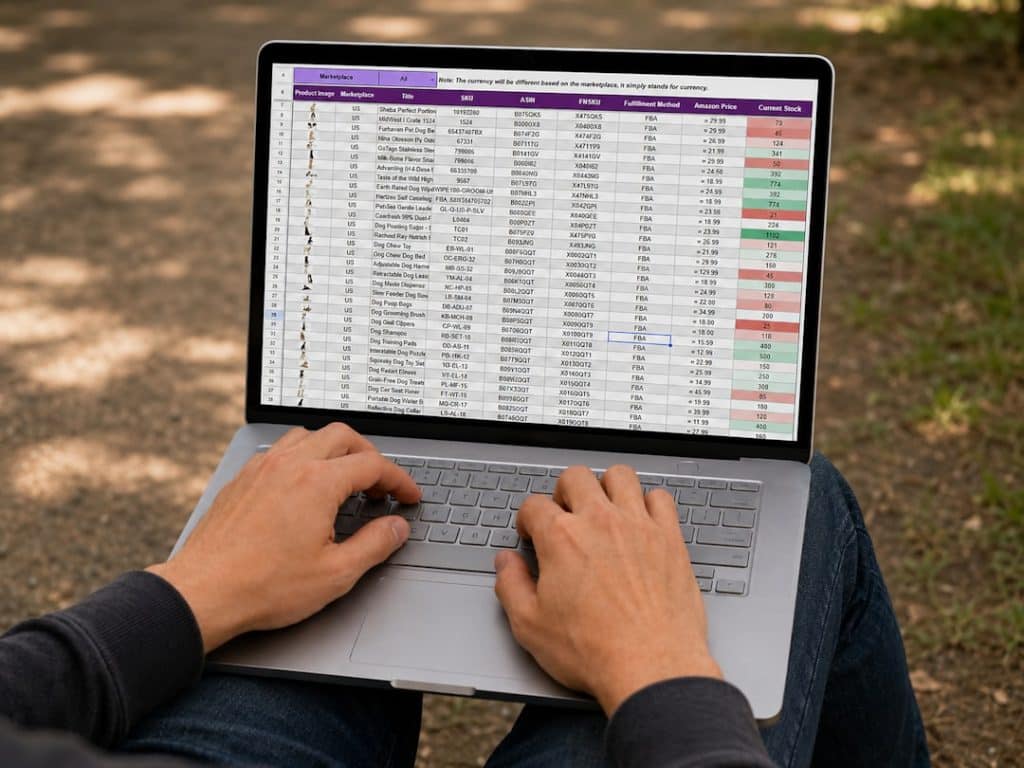
Choose oil and gas software around field value, not vendor fame. SLB, Halliburton, Baker Hughes, Honeywell, AspenTech, Emerson, and smaller specialist firms all sell serious tools for drilling, production, reservoir work, maintenance, trading, and emissions tracking. SLB’s Delfi platform is promoted as a cloud environment for exploration and production teams [source: SLB]. That matters because the industry does not need more dashboards. It needs fewer shut-ins, safer wells, cleaner data, and faster decisions.
TLDR: Oil and gas software helps operators plan wells, monitor assets, predict failures, manage production, and cut manual work. SLB and Halliburton are two major providers, but the right pick depends on asset type, data quality, and field workflows. For example, a producer with 500 wells could use production analytics to flag the worst 5% of wells each morning, pushing engineers toward 25 high-value checks instead of scanning every asset. Even a 2% cut in unplanned downtime can be worth serious money on offshore or high-rate fields.
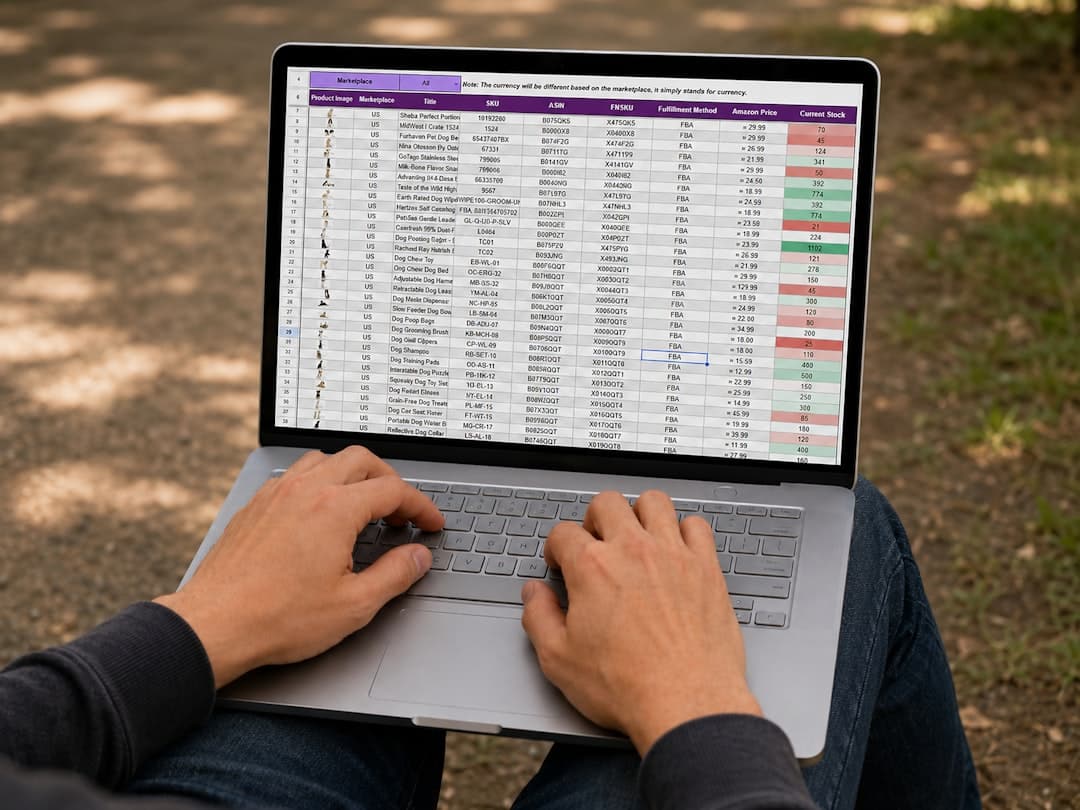
The market is not one single software category. It is a stack. At the top sit planning tools and executive reporting. In the middle are reservoir models, drilling systems, production analytics, and maintenance platforms. At the bottom are sensors, historians, SCADA, edge devices, and field data capture. If those pieces do not talk to each other, teams end up copying CSV files like it is 2007. It drives me crazy that this still happens in assets worth billions.
Where SLB fits
SLB, formerly Schlumberger, has deep roots in subsurface data, drilling, completions, and production. Its digital portfolio includes tools for reservoir characterization, well planning, petrotechnical work, and operations. Delfi is one of its best-known platforms. It aims to bring models, data, and domain workflows into a shared cloud workspace.
The practical value is clear. Geoscientists can test scenarios. Drilling engineers can compare plans. Production teams can see events sooner. A better setup can reduce rework between departments. It also creates a cleaner audit trail, which matters when a field decision affects safety, reserves, or millions in capital spend.
The catch is that big platforms need discipline. Data naming, units, access rights, and model ownership must be settled early. If not, a simple well review can take 20 extra minutes because one team uses field names and another uses corporate asset codes. That sounds small. Across hundreds of users, it becomes expensive.
Where Halliburton fits
Halliburton is another major provider, especially through its Landmark software group. Its DecisionSpace 365 suite supports subsurface, drilling, well construction, and production workflows. Halliburton describes it as a cloud software environment for energy companies [source: Halliburton].
Halliburton’s strength is the link between engineering work and field execution. That can matter in drilling programs where time, torque, pressure, mud weight, casing design, and risk windows are tightly connected. When teams are drilling many wells from one pad or across similar reservoirs, repeatable workflows can improve planning quality.
Still, buyers should ask hard questions. How fast does the system load offset well data? Can a rig team use it with bad connectivity? Does it support existing historians and document stores? How much work is needed before first value? A polished demo is not the same as a working rig deployment.
Other serious software categories
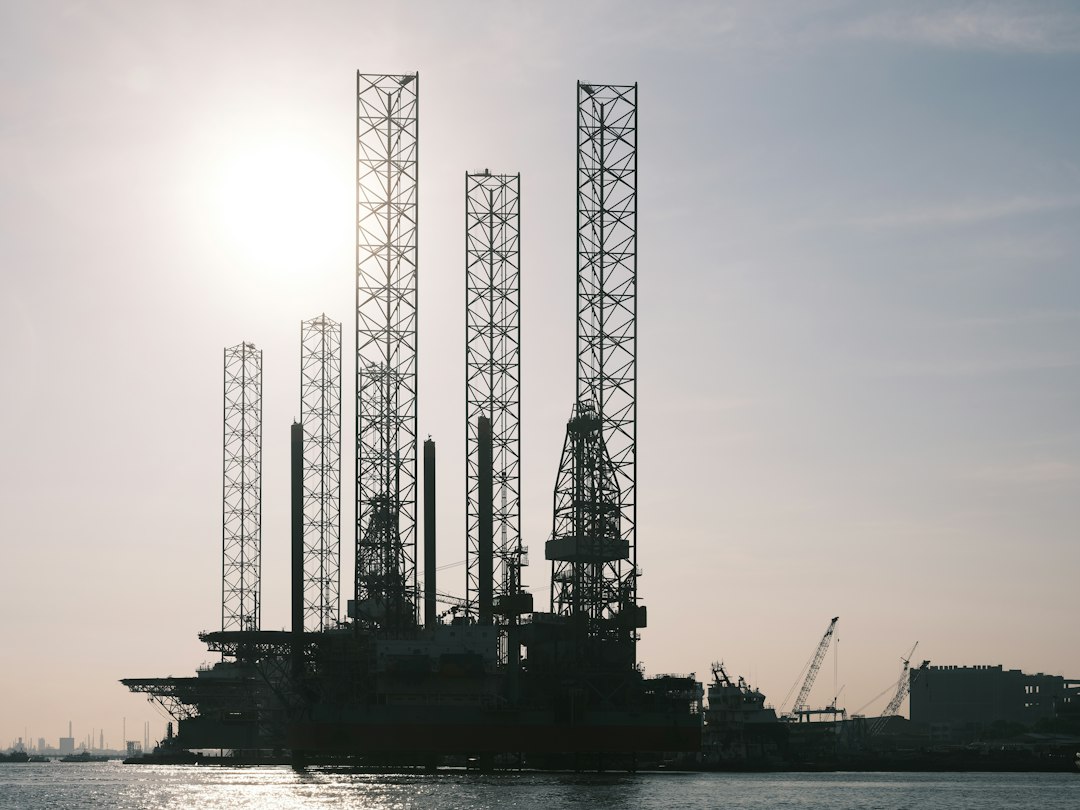
Oil and gas companies often need more than one platform. Common categories include:
- Reservoir modeling: simulation, reserves support, uncertainty studies, and field development planning.
- Drilling software: well design, real-time monitoring, torque and drag, hydraulics, and risk alerts.
- Production optimization: well surveillance, artificial lift tuning, decline analysis, and network modeling.
- Asset maintenance: equipment health, work orders, inspections, and predictive failure models.
- HSE and compliance: incident tracking, permits, inspections, emissions, and regulatory reporting.
- Trading and logistics: nominations, scheduling, inventory, pricing, and contract management.
Large firms may use SLB or Halliburton for technical workflows, SAP or IBM Maximo for asset management, and Microsoft Azure or AWS for cloud infrastructure. Smaller operators may prefer lighter tools that solve one problem well. There is no shame in that. A focused production dashboard that engineers trust can beat a giant platform nobody opens.
How to judge vendors
Start with one business problem. Do not start with a platform list. A good first target might be “cut rod pump failures by 10%,” “reduce drilling nonproductive time,” or “close monthly production reporting two days faster.” Then test software against that target.
Use a short checklist:
- Data fit: Can it connect to SCADA, historians, geology systems, and maintenance tools?
- User fit: Will field staff, engineers, and managers actually use it?
- Latency: Does the workflow need real-time data, hourly data, or daily data?
- Security: Does it meet corporate, joint venture, and national data rules?
- Support: Are experts available in the regions where assets operate?
- Exit plan: Can data and models be exported without pain?
Independent software reviews can help with early screening, but oil and gas buyers should still run field pilots. The best proof is a real asset, real data, and a measured result. Teams watching new product launches should be careful too. Fresh tools can be smart, but they may lack depth in wells, units, reserves rules, or harsh operating sites.
Image not found in postmeta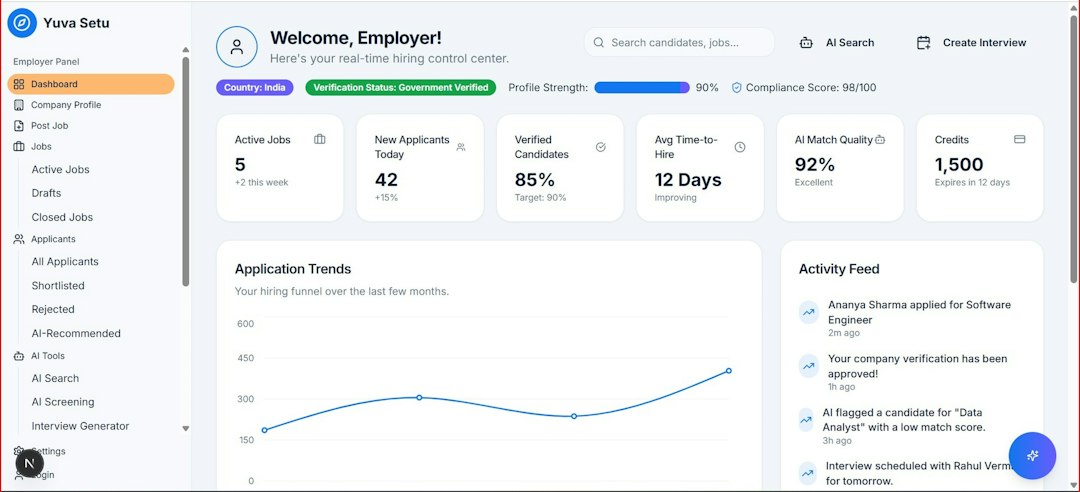
What buyers should expect next
More oil and gas software will include artificial intelligence. Some of it will be useful. Some of it will be slideware. The useful systems will explain their recommendations, show confidence levels, and connect back to source data. They will also respect engineering judgment. No operator should accept a black-box answer for a high-risk well event.
The safest buying path is simple. Pick a high-value workflow. Clean the needed data. Run a pilot for 60 to 90 days. Measure downtime, cycle time, deferment, safety exposure, or engineering hours saved. SLB and Halliburton deserve a place on the shortlist for many technical use cases. They should still earn the contract with proof, not reputation alone.
