
Shop Logos and Names: Retail Branding Strategies and Name Ideas
In retail, a shop’s name and logo often make the first promise to a customer before a product is touched, sampled, or purchased. A strong retail identity helps a store feel memorable, trustworthy, and easy to recognize across signage, packaging, social media, receipts, and online marketplaces. Whether the business is a boutique, grocery store, gift shop, bakery, pet supply store, or home goods retailer, its branding should communicate what it sells, who it serves, and why it feels different.
TLDR: A successful shop name should be clear, memorable, easy to pronounce, and aligned with the store’s personality. A strong logo should work in different sizes, use appropriate colors and typography, and remain recognizable on storefront signs, labels, and digital platforms. Retail branding becomes more powerful when the name, logo, colors, tone, and customer experience all support the same message. The best shop branding feels simple, distinctive, and emotionally relevant to the target audience.
Why Shop Logos and Names Matter in Retail Branding
A shop name and logo are not just decorative elements; they are key business assets. They shape first impressions, help customers remember the store, and influence whether the business appears premium, affordable, playful, traditional, modern, local, or specialized. In crowded retail areas or online search results, the most recognizable brands often win attention first.
A retail customer rarely studies branding in detail. Instead, the customer reacts quickly to visual and verbal cues. A clean logo may suggest professionalism, while a handwritten style may suggest warmth and craftsmanship. A short, catchy name may make a shop easier to recommend, while an overly complicated name may be forgotten after one visit. For this reason, shop branding should balance creativity with clarity.

Characteristics of a Strong Shop Name
A strong shop name should support the store’s position in the market. It should sound natural when spoken aloud, look appealing on signage, and be flexible enough to grow with the business. If a retailer begins with one product category but may expand later, a name that is too narrow can become limiting.
- Memorable: The name should be easy for shoppers to recall after seeing it once or twice.
- Pronounceable: Customers should be able to say it confidently when recommending the store.
- Relevant: The name should hint at the shop’s products, values, or atmosphere.
- Distinctive: It should not sound too similar to nearby competitors or common retail names.
- Expandable: The name should leave room for future product lines, locations, or online sales.
- Search friendly: A unique name can be easier to find online than a generic phrase.
For example, a candle shop named Golden Wick immediately suggests warmth, light, and handmade ambiance. A children’s clothing store named Little Loom feels soft, charming, and textile related. A minimalist home goods shop named Found Form suggests design, structure, and curation.
Popular Naming Strategies for Shops
Retailers often choose names based on the emotional story they want to tell. Some names are descriptive and practical, while others are imaginative and brand driven. Neither approach is automatically better; the right choice depends on the audience, product category, and long-term goals.
1. Descriptive Names
Descriptive names clearly explain what the shop sells. Examples might include The Linen Store, Urban Pet Pantry, or Fresh Basket Market. These names are useful for new shops that need instant clarity, especially in local retail environments.
2. Evocative Names
Evocative names create a feeling rather than directly describing the inventory. A boutique named Velvet Hour may suggest luxury and eveningwear, while Sunroom Goods may suggest comfort, freshness, and home living. These names are often more flexible and emotionally rich.
3. Founder or Family Names
Some shops use a founder’s surname, family name, or personal reference to communicate heritage and authenticity. A name such as Marin & Co. or Ellis General can feel established, personal, and trustworthy. This strategy works especially well for artisanal food, tailoring, jewelry, and specialty retail.
4. Local or Place Based Names
A local reference can help a shop feel rooted in its community. Names such as Harbor Lane Market, Maple Street Mercantile, or Northfield Supply can appeal to customers who value neighborhood identity. However, a very specific location may be restrictive if the shop later expands into other cities.
5. Invented or Hybrid Names
Invented names combine sounds, syllables, or concepts to create something unique. These names can be excellent for trademark and domain availability, but they must still be easy to pronounce and remember. If the name feels too abstract, the logo, tagline, and store experience must work harder to explain the brand.
Shop Name Ideas by Retail Category
The following name ideas show how tone can shift by niche. A luxury boutique benefits from elegance, while a toy shop may need energy and playfulness. A sustainable goods store may use nature inspired language, while a technology accessories shop may prefer clean, modern sounds.
- Fashion boutique: Velvet Lane, Mode & Muse, Orchard Atelier, The Style Room, Linen & Light
- Gift shop: Paper Moon Gifts, Kindly Curated, The Little Parcel, Ribbon House, Good Token
- Home goods shop: Hearth & Hollow, Casa Grove, Still House Goods, Nestward, The Woven Shelf
- Food market: Fresh Field Market, Honey Cart, The Daily Crate, Olive & Grain, Orchard Table
- Bookshop: Chapter House, Quiet Page, Ink & Elm, The Reading Nook, Paper Lantern Books
- Pet shop: Paw & Pantry, Tail Trail, Good Pup Goods, The Pet Porch, Whisker Market
- Beauty shop: Bloom & Balm, Gloss Garden, The Skin Shelf, Pure Petal, Glow Cabinet
- Eco shop: Green Habit, Earthly Goods, Root & Refill, The Low Waste Shop, Kind Planet Supply
What Makes a Retail Logo Effective
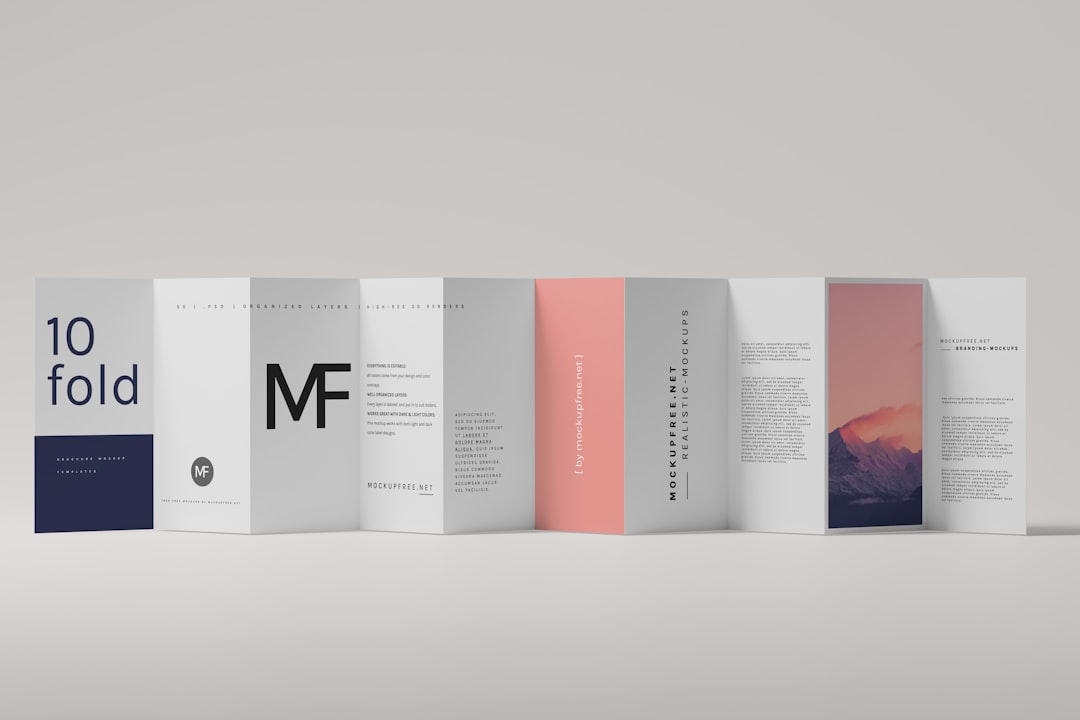
A shop logo should be simple enough to recognize quickly but distinctive enough to stand apart. It may include a wordmark, symbol, monogram, emblem, or combination mark. For many small retailers, a wordmark with a small icon is practical because it communicates the name clearly and still allows for a recognizable visual element.
Retail logos must work across many surfaces. A logo might appear on a storefront sign, shopping bag, product label, loyalty card, website header, social media avatar, staff apron, delivery box, and email newsletter. If the design loses clarity when reduced to a small size, it may not function well in modern retail environments.
- Scalability: The logo should look clear on both large signs and small tags.
- Legibility: Fonts should be readable from a distance and on mobile screens.
- Versatility: The logo should work in color, black, white, and simplified formats.
- Relevance: Style choices should match the products and audience.
- Consistency: The logo should align with packaging, interiors, photography, and messaging.
Choosing the Right Logo Style
Different logo styles create different expectations. A luxury shop may choose a refined serif wordmark, while a children’s store may use rounded lettering and playful icons. A hardware shop may benefit from bold, sturdy typography, while an organic market may use natural forms and earthy colors.
Wordmark logos focus on the shop name in a distinctive type style. They are ideal when the name itself is strong and memorable. Icon based logos use a symbol, such as a leaf, basket, hanger, candle, paw, or book. They can become recognizable over time, especially on packaging or social media. Emblem logos place the name inside a badge or seal, creating a traditional and established feel. They are common for general stores, artisan brands, coffee shops, and heritage retailers.
Color Psychology in Shop Branding
Color affects how shoppers interpret a store before entering it. While color meanings vary by culture and context, certain associations are common in retail branding. Black may suggest elegance, authority, or luxury. White can feel clean, minimal, and modern. Green often connects to nature, wellness, and sustainability. Red can feel energetic and urgent, making it useful for food, sales, and high visibility. Blue often suggests reliability and calm, while pink, peach, or lavender can feel soft, friendly, or beauty focused.
A shop should avoid choosing colors only because they are fashionable. Trend colors may help a brand feel current, but the palette should still support long-term recognition. A simple palette with one main color, one secondary color, and one or two neutrals is usually easier to manage across signs, bags, labels, and websites.
Typography and Brand Personality
Typography is one of the most important parts of shop logo design. A serif font may communicate history, quality, and sophistication. A sans serif font may feel modern, clean, and accessible. A script font may suggest elegance, personal service, or handmade products, but it must remain legible. Display fonts can be memorable, though they should be used carefully to avoid looking dated or difficult to read.
Retailers should consider how typography performs in real-world conditions. A delicate logo may look beautiful on a screen but may not be visible on a busy street. A highly decorative font may appear charming on packaging but confusing on a small social media profile image. The best typography supports both personality and practicality.

Aligning the Name and Logo With the Customer Experience
Branding becomes strongest when it reflects the actual shopping experience. A shop called Calm Pantry should not feel chaotic, cluttered, or visually loud. A boutique named Bold Finch should probably deliver color, energy, and a confident point of view. When the name, logo, store layout, service style, packaging, and product selection all tell the same story, the brand becomes easier to trust.
This consistency is especially important for omnichannel retail. A shopper may discover a store through a social post, visit the website, receive a package, and later walk into the physical location. Each touchpoint should feel connected. The same logo system, color palette, photography style, and tone of voice should guide the customer from first impression to repeat purchase.
Common Mistakes to Avoid
- Choosing a name that is too generic: Names such as The Shop or Best Store may be difficult to protect, search, and remember.
- Following trends too closely: A trendy logo may age quickly and require redesign sooner than expected.
- Using unreadable fonts: Customers should not have to guess the shop’s name.
- Ignoring competitors: A shop should avoid looking or sounding too similar to nearby or online rivals.
- Overcomplicating the design: Too many colors, icons, and fonts can weaken recognition.
- Skipping legal checks: Name availability, trademark conflicts, and domain availability should be reviewed before launch.
A Practical Retail Branding Process
A retailer can begin by defining the shop’s audience, product range, price level, and personality. From there, the business can create a list of words associated with the brand, including materials, emotions, places, benefits, and customer lifestyles. Several name directions should be explored before favorites are tested aloud and reviewed for availability.
Once the name direction is clear, the logo should be developed with real applications in mind. Mockups on signs, bags, labels, shelves, and mobile screens can reveal whether the identity is practical. Feedback from potential customers can also help identify confusion, mispronunciation, or unintended associations. The final brand system should include logo variations, color codes, font rules, and usage guidelines so the shop appears consistent everywhere.
FAQ
What makes a good shop name?
A good shop name is memorable, easy to pronounce, relevant to the store’s personality, and distinct from competitors. It should also work well on signage, packaging, and online platforms.
Should a shop name describe the products directly?
It can, but it does not have to. Descriptive names offer clarity, while evocative names create emotion and flexibility. The best choice depends on the shop’s category, audience, and growth plans.
What type of logo is best for a retail shop?
A combination logo with a clear wordmark and simple icon often works well because it is versatile. However, a strong wordmark alone can also be effective if the name and typography are distinctive.
How many colors should a shop logo use?
Most shop logos work best with one to three main colors. A smaller palette is easier to reproduce across signs, bags, labels, websites, and social media.
How can a retailer know if a name is available?
The retailer should check business registries, trademark databases, domain availability, and major social media platforms. Professional legal guidance may be useful before investing in signage or packaging.
When should a shop rebrand?
A shop may consider rebranding when its current identity feels outdated, confusing, too similar to competitors, or misaligned with its products and customers. Rebranding should be strategic rather than purely cosmetic.
