
SevenRooms CRM: Toast and OpenTable Among the Restaurant Guest Management Platforms
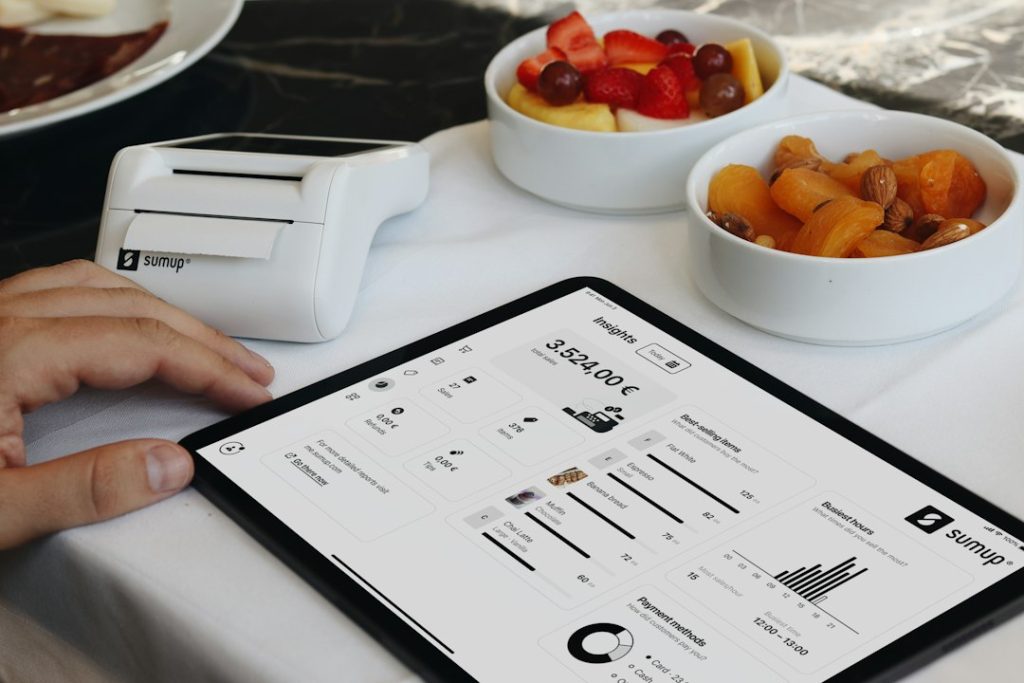
SevenRooms is strongest when a restaurant wants guest data, marketing, reservations, waitlists, and service notes tied together in one place. Toast is a better fit when point-of-sale control comes first, while OpenTable still wins on diner discovery because of its huge consumer network. OpenTable says diners can book at more than 60,000 restaurants worldwide [source: OpenTable], which is hard to ignore if a venue needs visibility.
TLDR: SevenRooms CRM is built for restaurants that want to own guest relationships, not just fill seats. A 90-seat bistro serving 1,200 covers a month could use guest tags, automated emails, and visit history to raise repeat visits by 8%, adding about 96 extra return covers monthly. Toast is best when payments and POS workflow are the main pain. OpenTable is best when the goal is booking volume from a broad diner audience.
What SevenRooms CRM really does
SevenRooms is not just a booking tool. It is a guest management platform with a sharp CRM layer. That means it stores guest preferences, visit history, spend patterns, allergies, birthdays, notes, and feedback.
The value is simple. Staff can see who is walking in, what they like, how often they visit, and whether they are worth extra attention. A regular who spends $180 per visit should not be treated like a first-time walk-in. That sounds obvious. Yet many restaurants still keep those details scattered across notebooks, POS tabs, reservation apps, and staff memory.
SevenRooms tries to fix that mess. It gives operators tools for:
- Reservations and waitlists with guest profile data attached.
- Automated marketing for birthdays, lapsed guests, VIPs, and special events.
- Direct booking through a restaurant’s own website.
- Guest tags such as “wine lover,” “high spender,” or “prefers patio.”
- Post-visit feedback that can trigger service recovery.
Honestly, it feels like the kind of system restaurants wish they had built before they lost years of guest data to third-party platforms.
SevenRooms vs Toast
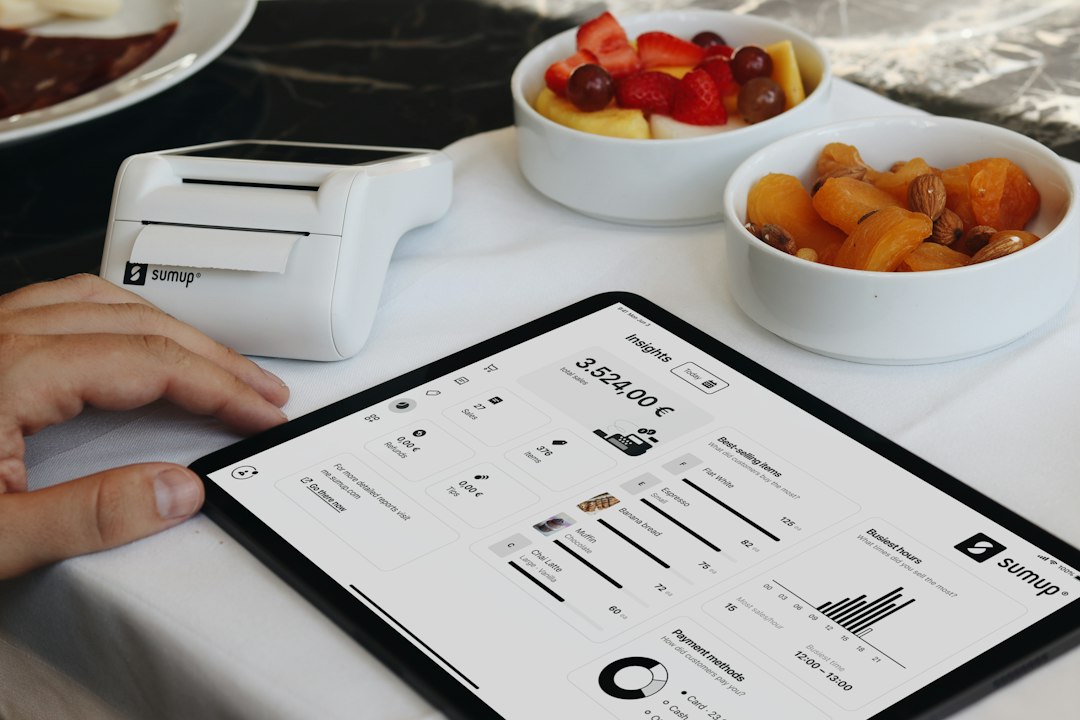
Toast is known first as a restaurant POS system. Its strength is the flow of money and orders. Servers enter meals. Kitchens get tickets. Guests pay. Managers track sales. Toast also has marketing, loyalty, online ordering, and guest tools, so it can cover a lot of ground.
SevenRooms comes at the problem from the guest side. It asks, “Who is this person, and how do we get them back?” Toast asks, “How do we run the transaction and the operation?” Both matter, but they solve different headaches.
Choose Toast if:
- You need a modern POS, payment system, handheld ordering, and kitchen workflow.
- You want fewer vendors in daily service.
- Your floor team needs speed more than deep guest profiles.
Choose SevenRooms if:
- You already have a POS and want better guest intelligence.
- You care about direct bookings and repeat visits.
- You run events, private dining, VIP programs, or high-touch service.
The catch is setup. If staff do not tag guests, read notes, or use feedback data, the CRM becomes an expensive contact list. Expect to spend time training hosts and managers. Otherwise, the software will not save you.
SevenRooms vs OpenTable
OpenTable has one massive advantage: diners already use it. For many restaurants, that built-in demand is the whole point. A new place in a busy city may get bookings from people searching by cuisine, area, rating, or time slot.
SevenRooms is different. It is more focused on owning the guest relationship. Restaurants can push guests to book directly, collect first-party data, and avoid relying only on marketplace traffic.

Here is the simple split:
- OpenTable: stronger for discovery and marketplace reach.
- SevenRooms: stronger for CRM, direct relationships, and guest retention.
- Toast: stronger for POS, payments, and daily restaurant operations.
It drives me crazy that restaurants often compare these tools as if they are identical. They are not. A restaurant can use Toast for POS, OpenTable for reach, and SevenRooms for CRM-style guest management. The real question is not “Which platform is best?” It is “Which problem is costing us the most money?”
Where SevenRooms fits best
SevenRooms fits restaurants that care about repeat business. Think upscale casual groups, hotel restaurants, fine dining venues, members clubs, nightlife groups, and multi-location brands. These operators often need more than a reservation grid. They need memory.
A host should know if a guest complained last time. A manager should know if a couple celebrates an anniversary every April. Marketing should know who came for brunch twice but never tried dinner. That is where SevenRooms feels useful.
Its CRM thinking is similar to other industries. Real estate teams track buyers, sellers, listings, and follow-ups with CRM software for managing client pipelines. Retail brands track shoppers and repeat purchases with CRM platforms for e-commerce and retail. Restaurants are finally treating guest data with the same seriousness.
What to watch before choosing
Cost matters. So does staff adoption. A small café with mostly walk-ins may not need the full SevenRooms system. A busy tasting-menu restaurant probably will get more value from it.
Before signing, ask vendors these questions:
- Can it sync cleanly with our POS?
- Who owns the guest data?
- How easy is it to export contacts?
- Can we segment guests by spend, visit count, and preferences?
- How many clicks does it take to seat, tag, and update a guest?
- What reports show repeat visits and campaign revenue?
Also check how the system handles larger business needs. Some companies compare restaurant tools with broader CRM and ERP ideas, like those explained in this guide to Microsoft Dynamics CRM and ERP. Restaurants do not need corporate bloat, but they do need clean data and clear workflows.
The best pick depends on your main goal. Use Toast when operations and payments are the priority. Use OpenTable when diner discovery matters most. Use SevenRooms when guest relationships, loyalty, and repeat revenue are the prize.
