
Quiz Newsletter Ideas: Interactive Formats to Increase Subscriber Engagement

Your best quiz newsletter should feel like a tiny game, not homework. Give readers one fun question, one clear click, and one reason to come back next week. That is how you turn a quiet email list into a chatty, click-happy crowd.
TLDR: Quiz newsletters work because they ask readers to do something simple and fun. A skincare store, for example, sent a 5-question “What is your skin mood?” quiz and saw clicks rise by 38% in two weeks. Keep quizzes short, show results fast, and use answers to send better emails later. The easier it feels, the more people will play.
Why quizzes make newsletters less boring
Most inboxes are stuffed. Sales email. Update email. “We miss you” email. Yawn.
A quiz breaks that pattern. It gives the reader a tiny challenge. It also gives them a reason to click. People like learning about themselves. They also like being right. That is why quizzes work so well.
Even a simple “Pick your weekend vibe” quiz can beat a plain product email. It feels personal. It feels quick. It feels a bit silly, in a good way.
Honestly, it feels like many brands forget that subscribers are humans with thumbs and short lunch breaks. Give them something fun to tap.
1. The personality quiz
This is the classic format. It is popular for a reason. People love being sorted into cute groups.
Try ideas like:
- What type of coffee drinker are you?
- Which holiday shopper are you?
- What is your home office style?
- Which product fits your mood today?
Keep it to 3 to 6 questions. More than that can feel like paperwork. Nobody opened your email to sit an exam.
At the end, give a fun result. Then add a useful next step. If someone gets “The Cozy Planner,” show them warm socks, notebooks, or calming playlists. If someone gets “The Last Minute Legend,” show quick shipping options.
2. The “this or that” quiz
This format is fast. Really fast. Readers pick between two options.
Examples:
- Beach trip or mountain cabin?
- Sweet snack or salty snack?
- Bold color or soft neutral?
- Morning workout or night walk?
This works well in emails because each choice can be a button. No typing. No effort. Just tap.
You can use the results to sort readers into groups. A travel brand can send beach deals to beach people. A food brand can send dessert recipes to sweet snack fans. Simple. Useful. Not creepy.
3. The knowledge quiz
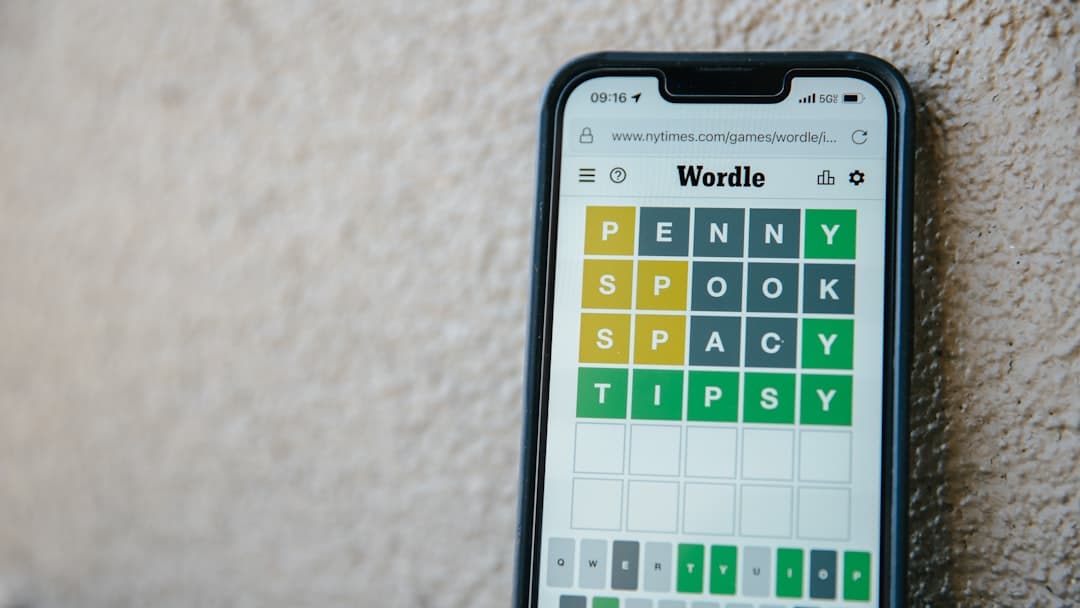
This quiz tests what readers know. It can be playful, not harsh. Think pub quiz, not final exam.
Good examples include:
- Can you guess these famous movie quotes?
- How much do you know about houseplants?
- Can you spot the fake marketing myth?
- Which food facts are true?
Add instant feedback. If they are wrong, keep it kind. Try: “So close. Sadly, tomatoes are not vegetables in botany land.”
Knowledge quizzes are great for education brands, SaaS teams, coaches, shops, and media newsletters. They help readers learn without feeling trapped in a lecture.
4. The product finder quiz
This one can boost sales. It helps readers choose the right thing.
Use it when your product range causes choice fatigue. Skincare. Supplements. Courses. Shoes. Software plans. Gift boxes. Anything with too many options.
The format is simple:
- Ask what the reader needs.
- Ask what problem they want to fix.
- Ask for a style, budget, or goal.
- Show the best match.
It drives me crazy when product quizzes ask 14 questions and then show a vague result. If a quiz takes longer than making toast, people leave. Aim for under 60 seconds.
5. The weekly trivia challenge
This is a great habit builder. Send one trivia question every week. Same day. Same format. Same friendly tone.
People start to expect it. Some may even wait for it. That is gold for engagement.
Try this setup:
- Monday: Send the question.
- Tuesday: Reveal the answer.
- Friday: Share the leaderboard or funniest guesses.
You do not need a giant prize. Offer a shoutout. A small discount. Early access. A free download. People enjoy winning, even when the prize is tiny.
6. The “guess the result” quiz
This one sparks curiosity. Give readers a stat, image, or mini story. Then ask them to guess what happened.
For example:
- Which subject line got more clicks?
- Which cake sold out first?
- Which city booked the most tours?
- Which design did customers pick?
Then reveal the answer later in the email. Or in the next issue. This works because people hate open loops. They want the answer.
Use real data when you can. Numbers make the quiz feel sharper. “Which email won by 22%?” is better than “Which email did well?”
7. The poll quiz hybrid
A poll asks for an opinion. A quiz asks for an answer. Mix them, and you get a low-effort engagement machine.
Ask something like:
“Which fall flavor are you?”
- Pumpkin spice
- Apple cinnamon
- Maple pecan
- Hot chocolate
Then show the current vote split. Readers love seeing where they fit. Add a line like: “So far, 46% of readers are pumpkin spice people. We are not shocked.”
8. The quiz with a reward
Rewards can lift clicks. But keep the reward tied to the quiz. Random freebies can attract the wrong crowd.
Good rewards include:
- A result-based discount.
- A custom checklist.
- A recipe or guide.
- A playlist.
- A bonus tip.
For example, a fitness newsletter could send a “What is your workout style?” quiz. Runners get a 10-minute warmup guide. Strength fans get a beginner lift plan. Stretch lovers get a mobility routine.
That feels helpful. Not pushy.
How to write quiz questions people finish
Great quiz questions are clear. They are also a little fun. Do not overthink every line.
Use these rules:
- Ask one thing at a time. No double questions.
- Use plain words. Fancy wording slows people down.
- Keep answers short. Four options is usually enough.
- Add humor. A tiny joke can make clicks feel lighter.
- Show progress. “Question 2 of 5” reduces drop-off.
Also, make buttons big. Many people read on phones. Tiny links are annoying. Worse, people tap the wrong thing and quit.
What to measure after sending
Do not stop at open rates. Opens can be fuzzy. Quiz actions are more useful.
Track these numbers:
- Click rate: How many readers started the quiz?
- Completion rate: How many finished it?
- Result clicks: Did readers click their result offer?
- Reply rate: Did people send comments?
- Segment growth: Did you learn useful preferences?
A healthy quiz does not need wild numbers. If your normal click rate is 3% and a quiz gets 6%, that is a win. If completion drops after question four, trim the quiz.
Easy quiz newsletter ideas to steal
- For ecommerce: “Find your perfect gift in 5 clicks.”
- For creators: “Which content habit is holding you back?”
- For restaurants: “Build a plate and get a menu match.”
- For book newsletters: “Pick a mood. Get a book.”
- For B2B: “How ready is your team for next quarter?”
- For travel: “What kind of weekend escape fits you?”
Final tip
Start small. Send one quiz this month. Make it short. Make the result useful. Then watch what people click.
The best quiz newsletters make subscribers feel seen. They also give you clean signals about what people want. That is the real magic. A better email for them. Better results for you.
