
Paula Profit: LinkedIn vs Apollo and Other Tools for Researching Professional Profiles

Use LinkedIn first for profile context, then use Apollo to confirm company data, role fit, and contact paths. That is the cleanest workflow for researching someone like Paula Profit, whether she is a CFO, founder, recruiter, investor, or buyer persona. LinkedIn tells you the story. Apollo helps you turn that story into a useful contact record.
TLDR: LinkedIn is best for checking a person’s career, posts, mutual contacts, and credibility. Apollo is better for sales research, email discovery, company filters, and list building. For example, a sales rep researching 50 finance leaders may spend 2 hours on LinkedIn alone, but cut that by about 35% by using Apollo for filtering and LinkedIn for final review. Use both, then check the company website before reaching out.
Who is Paula Profit in this article?
Think of Paula Profit as your target professional profile.
She could be:
- A CFO at a software company.
- A hiring manager at a growing startup.
- A consultant with a polished personal brand.
- A buyer you want to understand before sending a message.
The goal is simple. You want to know who she is, what she cares about, where she works, and how to contact her without sounding like a robot with a quota.
LinkedIn: best for the human story
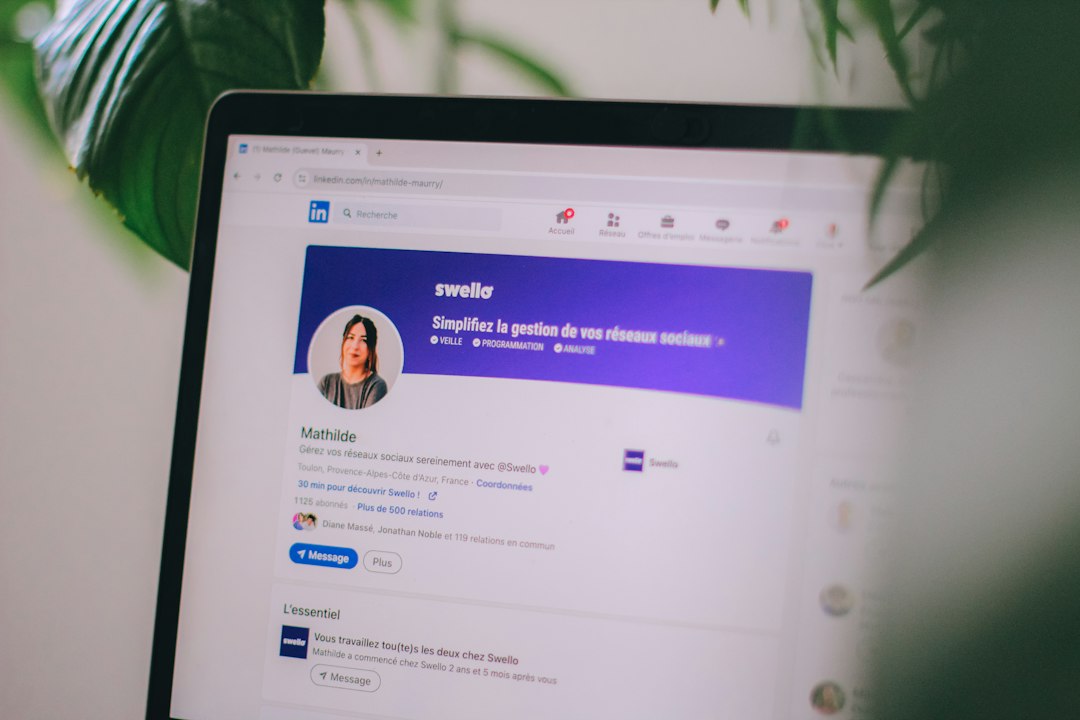
LinkedIn is the best starting point for researching Paula Profit. It shows her work history, current title, education, posts, comments, skills, and shared connections.
That matters because a job title alone is not enough. “VP of Finance” can mean many things. On LinkedIn, you may see that Paula posts about cash flow, hiring, AI budgeting tools, or remote teams. That gives you clues.
LinkedIn is great for:
- Checking if Paula is still at the company.
- Reading her recent posts and comments.
- Finding shared contacts.
- Understanding her career path.
- Spotting interests and talking points.
The catch is that LinkedIn can be slow for bulk work. If you need 100 profiles, expect lots of tabs, clicks, and tiny moments of pain. Sometimes one profile takes 20 seconds more than it should because a modal pops up, a feed loads, or the search filters reset. Fun? Not really.
Apollo: best for sales research and lists
Apollo is built for prospecting. It helps you search people by title, company size, industry, location, tech stack, funding stage, and more.
If Paula Profit is one of many finance leaders you want to contact, Apollo saves time. You can build a list of CFOs at SaaS companies with 50 to 500 employees. Then you can inspect the best matches.
Apollo is useful for:
- Finding work emails.
- Filtering large groups of professionals.
- Sorting people by company traits.
- Checking company headcount.
- Making prospect lists for outreach.
Honestly, it feels like some tools want you to become a spreadsheet monk. Apollo is better than many, but you still need to clean data. Titles can be stale. Emails can bounce. Companies can be mislabeled.
So do not trust it blindly. Treat Apollo as a strong helper, not the final judge.
LinkedIn vs Apollo: quick comparison
| Need | Best Tool | Why |
|---|---|---|
| Career history | Profiles are built around work experience. | |
| Recent posts | You can see what Paula talks about. | |
| Email discovery | Apollo | It focuses on contact data. |
| Bulk search | Apollo | Filters help with big lists. |
| Warm intro | Shared contacts are visible. | |
| Company targeting | Apollo | Company filters are strong. |
Other tools worth checking
LinkedIn and Apollo are a strong pair. Still, other tools can fill gaps.
- Google Search: Simple and underrated. Search Paula’s name with her company, podcast, interview, or PDF.
- Company website: Best for current leadership pages, press releases, and official bios.
- Crunchbase: Useful for funding, investors, acquisitions, and company growth signals.
- ZoomInfo: Strong for B2B data, but often pricey for smaller teams.
- Hunter: Good for checking email patterns and finding company email formats.
- Clay: Helpful if you want to enrich data from many sources and build smarter workflows.
- Clearbit: Useful for company enrichment and firmographic data.
Use tools based on the task. Do not collect data just because you can. That creates clutter. It also makes outreach worse.
A simple research workflow for Paula Profit
Here is a clean process. It works for sales, recruiting, partnerships, and investor research.
- Start on LinkedIn. Confirm Paula’s current role, company, and work history.
- Read recent activity. Look for posts, comments, talks, or shared articles.
- Check Apollo. Confirm company size, industry, and possible contact data.
- Visit the company site. Check if Paula appears on the team page or in news posts.
- Search Google. Find interviews, webinars, panels, or quotes.
- Write three notes. One about her role, one about her company, one about a relevant reason to contact her.
That last step is where many people fail. They gather 40 facts, then send a bland message. Bad move. Paula does not need another “Hi, I hope you are well” message with no point.
What good research looks like
Good research is not creepy. It is useful.
Weak message:
“Hi Paula, I saw you are CFO at ProfitPeak. Can we connect?”
Better message:
“Hi Paula, I saw your team grew from 80 to 140 people this year. Many finance teams hit reporting slowdowns at that stage. I had one idea that may help. Open to a short note?”
The second message uses a real business clue. It is short. It shows a reason. It does not fake friendship.
Common mistakes to avoid
- Trusting one source. LinkedIn can be outdated. Apollo can be wrong. Check both.
- Overpersonalizing. Mentioning a post is fine. Mentioning her vacation photo is weird.
- Saving too much data. You need useful signals, not a digital junk drawer.
- Ignoring privacy rules. Follow tool terms and local laws.
- Sending giant emails. Short beats fancy.
So, which tool wins?
LinkedIn wins for understanding Paula Profit as a person. It gives context, activity, and connection paths.
Apollo wins for structured prospecting. It helps you find similar people, filter accounts, and prepare outreach lists.
The smartest move is to use them together. Start with LinkedIn. Use Apollo to check and organize. Then verify with the company website and Google.
That mix keeps your research fast, practical, and less painful. Best of all, it helps you contact Paula Profit with a message that sounds like it came from a real human. Shocking concept, right?
