
Mobile App Design Services: What to Expect, Pricing, Process, and Best Agencies
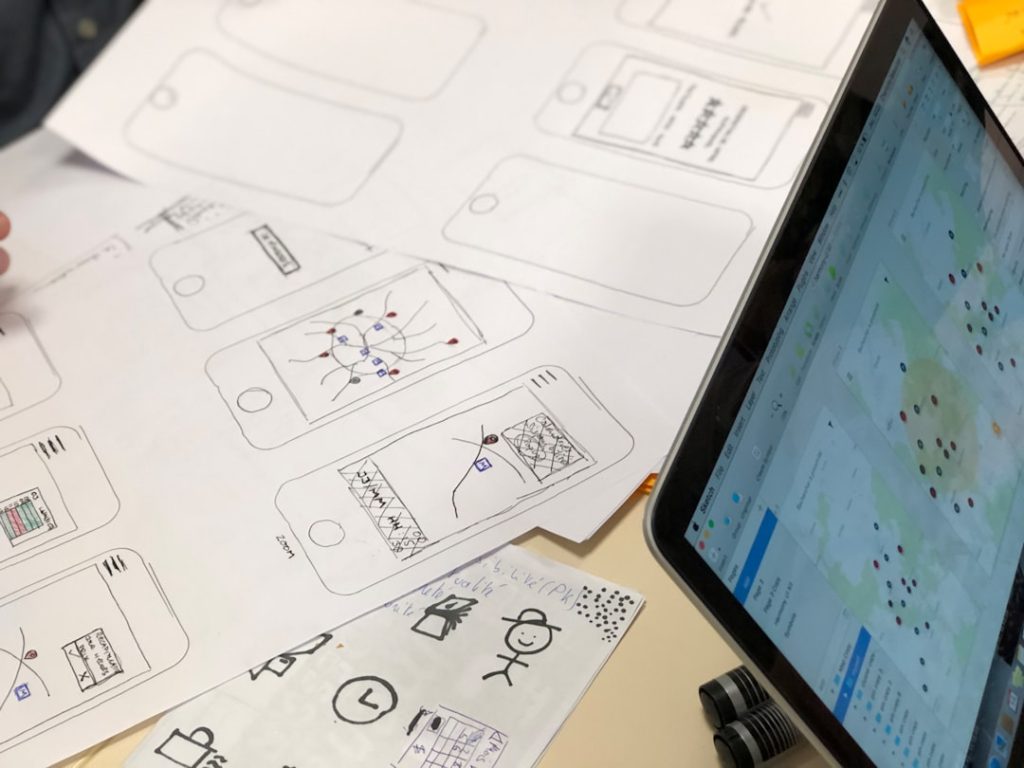
Mobile app design services help companies turn an idea, workflow, or digital product into an intuitive, visually polished mobile experience. A professional design partner usually works on strategy, user research, wireframes, prototypes, visual design, usability testing, and developer handoff, ensuring that the final product is both attractive and practical.
TLDR: Mobile app design services typically include research, UX planning, UI design, prototyping, testing, and design handoff. Pricing can range from $3,000 for a simple app concept to $50,000 or more for a complex, multi-platform product. For example, a fitness startup might spend $12,000 on app design and reduce onboarding drop-off by 25% after usability testing improves the sign-up flow. The best agency is usually the one with relevant industry experience, a clear process, strong case studies, and transparent pricing.
What Mobile App Design Services Include
Mobile app design is more than choosing colors and icons. It covers the full planning and visual structure of the app experience. A design agency usually begins by understanding the product goals, target users, market position, competitors, and technical constraints. From there, it creates a design system that supports usability, consistency, accessibility, and brand identity.
Common mobile app design services include:
- User research: Interviews, surveys, competitor analysis, and behavior mapping.
- UX strategy: App architecture, navigation flows, user journeys, and feature prioritization.
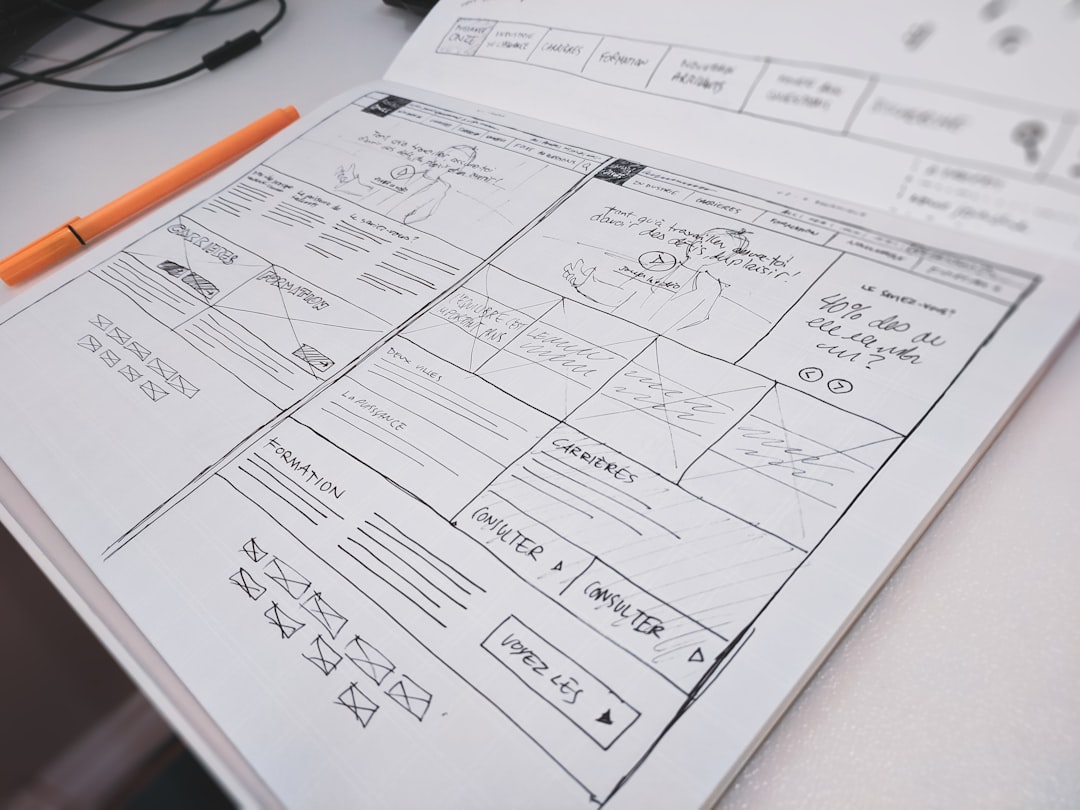
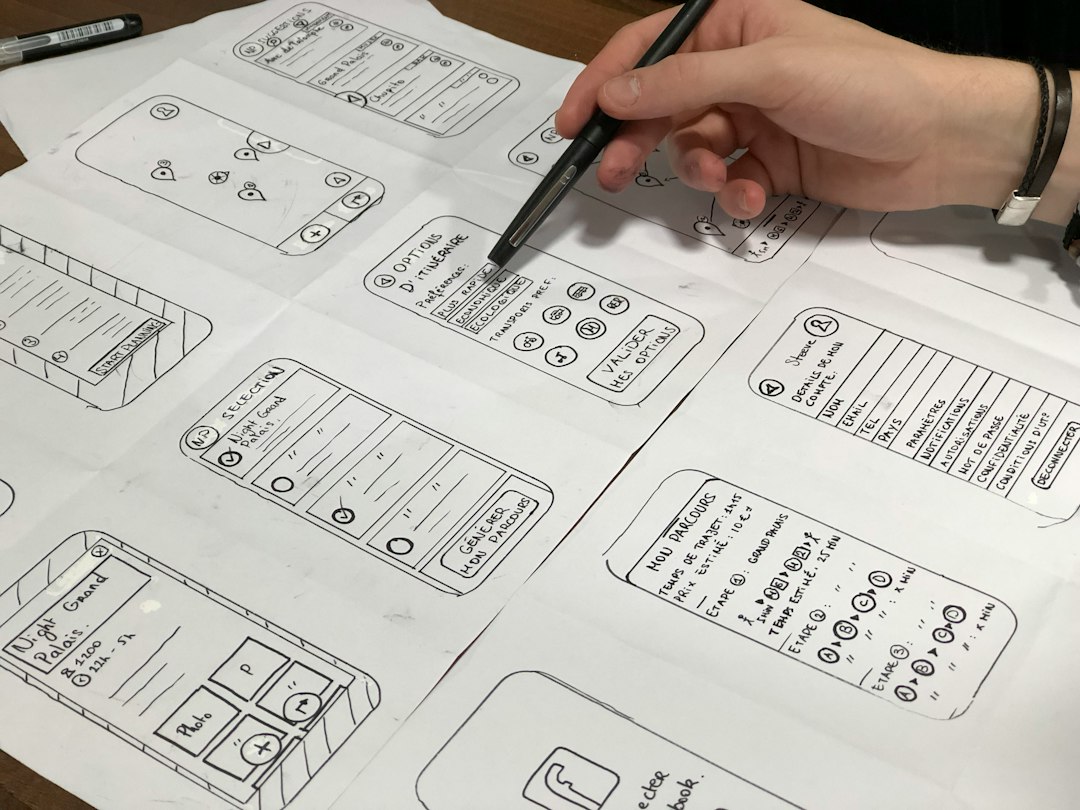
- Wireframing: Low-fidelity layouts that show content structure and screen relationships.
- UI design: Visual screens, typography, colors, buttons, icons, and interface components.
- Interactive prototyping: Clickable models that simulate real app behavior.
- Usability testing: Validation with real or representative users before development.
- Developer handoff: Design files, specifications, assets, and documentation for engineering teams.
What to Expect During the Process
A structured mobile app design process usually runs in stages. The first stage is discovery, where the agency learns what the business wants to achieve. This may include stakeholder workshops, product audits, target audience analysis, and a review of existing brand assets. Good agencies ask detailed questions about users, business models, monetization, compliance, integrations, and launch timelines.
The second stage is UX design. Designers create user personas, define core app flows, and map important journeys such as registration, checkout, profile setup, booking, or subscription management. At this point, the app’s structure becomes clearer. The team may decide which features belong in the first version and which should be saved for later releases.
The third stage is wireframing and prototyping. Wireframes focus on layout and user flow rather than visual polish. Prototypes allow stakeholders to click through the app before coding starts. This stage can reveal problems early, such as confusing navigation, too many form fields, or missing confirmation screens.
The fourth stage is visual UI design. Designers apply branding, color palettes, typography, imagery, icons, spacing, and motion guidelines. For native mobile apps, they also consider platform-specific patterns for iOS and Android. The goal is to create an interface that feels familiar enough to be easy, but distinctive enough to support the brand.
The final stage is testing and handoff. A strong agency prepares design specifications, component libraries, exportable assets, and notes for developers. Some agencies also support quality assurance after implementation to ensure the built app matches the approved design.
Mobile App Design Pricing
Pricing varies widely depending on app complexity, number of screens, research depth, agency location, and whether the project includes branding or product strategy. A small app with 8 to 15 screens will cost far less than a financial, healthcare, marketplace, or SaaS app with multiple user roles and complex flows.
Typical pricing ranges include:
- Basic app design: $3,000 to $8,000 for a simple concept, MVP, or limited screen set.
- Mid-level app design: $10,000 to $30,000 for a polished app with research, UX flows, UI design, and prototype.
- Complex product design: $35,000 to $100,000+ for apps with advanced interactions, dashboards, marketplaces, fintech flows, or multiple user types.
- Hourly agency rates: commonly $50 to $200+ per hour, depending on location and reputation.
Some agencies offer fixed-price packages, while others bill by time and materials. A fixed fee may work well when scope is clear. Hourly billing may be better for evolving products that require exploration, testing, and iteration. Businesses should expect the agency to provide a detailed proposal with deliverables, timeline, revision rounds, assumptions, and exclusions.
Timeline: How Long App Design Takes
A basic mobile app design may take 3 to 5 weeks. A more complete MVP can take 6 to 10 weeks. Complex products may require 3 to 6 months, especially if they involve research, usability testing, design systems, compliance requirements, or multiple platforms.
Timeline also depends on client responsiveness. Delayed feedback, unclear priorities, or frequent changes can extend the schedule. The most efficient projects usually have one main decision-maker, a clear product owner, and weekly review sessions.
How to Choose the Best Mobile App Design Agency
The best agency is not always the largest or most expensive. It is the one that understands the business model, communicates clearly, and has experience designing similar products. A startup may need a fast, strategic UX partner that can shape an MVP. An enterprise may need a larger team with research, accessibility, compliance, and design system expertise.
Key criteria to review include:
- Portfolio quality: Case studies should explain problems, decisions, and measurable outcomes.
- Industry experience: Relevant work in e-commerce, healthcare, fintech, education, travel, or SaaS can reduce risk.
- UX maturity: Strong agencies justify design choices with research, testing, and user behavior.
- Communication: Clear updates, documented decisions, and transparent timelines are essential.
- Technical awareness: Designers should understand what developers need to build the product efficiently.
- Post-design support: Some agencies assist during development, QA, launch, and future improvements.
Well-known agencies and studios often considered for app design include IDEO, Frog, Fantasy, Ramotion, Clay, MetaLab, and Work & Co. These firms vary in size, pricing, specialization, and engagement model. Smaller boutique studios can also be excellent choices, especially when a project needs senior attention and flexible collaboration.
Common Deliverables
A completed mobile app design project usually provides both strategic and practical assets. These may include UX audit notes, user flows, wireframes, high-fidelity screens, clickable prototypes, style guides, design systems, icon sets, copy recommendations, and developer-ready files. The final package should help developers move into production with fewer assumptions.

Red Flags to Watch For
Businesses should be cautious of agencies that promise excellent work without asking about users, goals, or constraints. Another warning sign is vague pricing with no defined deliverables. If an agency focuses only on aesthetics and ignores usability, accessibility, or conversion goals, the final app may look good but perform poorly.
Other red flags include no case studies, no process explanation, limited communication, unrealistic timelines, and unwillingness to test ideas. A reliable agency should be able to explain how decisions are made and how the design will support business outcomes.
FAQ
How much do mobile app design services cost?
Most projects range from $3,000 to $100,000+. Simple app concepts cost less, while complex products with research, testing, and design systems cost more.
How long does mobile app design take?
A simple app may take 3 to 5 weeks. A full MVP usually takes 6 to 10 weeks, while complex apps can take several months.
Is app design the same as app development?
No. App design defines the user experience, interface, and prototype. App development turns the approved design into working software.
Should a business design for iOS and Android separately?
Usually, yes. The core experience can be shared, but each platform has different interface conventions, behaviors, and technical guidelines.
What makes a mobile app design agency good?
A good agency combines research, UX strategy, visual design, testing, communication, and developer-friendly handoff. Strong case studies and relevant industry experience are also important.
