
Future-Proof Your Home: Smart Upgrades That Add Long-Term Value
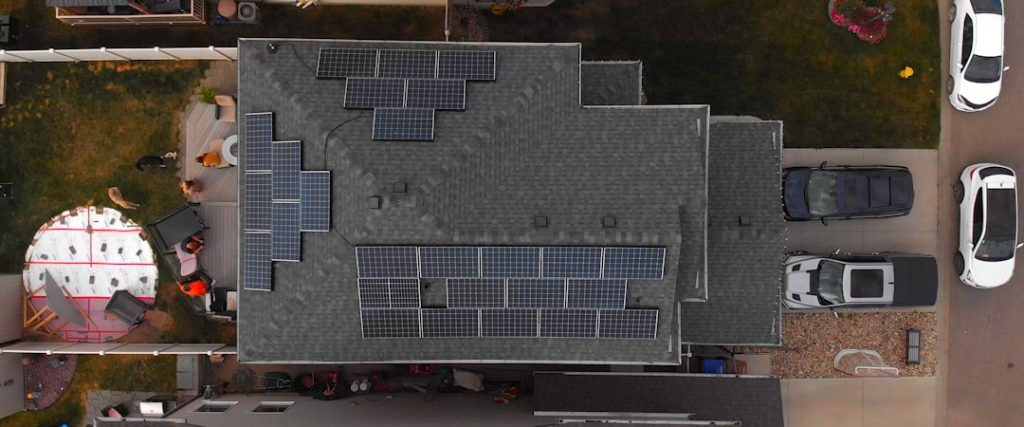
Homes are no longer just places to live—they are evolving ecosystems shaped by technology, sustainability, and changing lifestyle needs. As innovation accelerates and housing markets fluctuate, homeowners are increasingly asking one critical question: How can I future-proof my home? The answer lies in making smart upgrades that add comfort today while boosting long-term value tomorrow. From energy-efficient systems to adaptable design features, thoughtful improvements can safeguard your investment and elevate your quality of life.
TLDR: Future-proofing your home means investing in smart, energy-efficient, and adaptable upgrades that increase comfort and long-term value. Focus on sustainable energy systems, smart technology, durable materials, and flexible living spaces. These improvements reduce operating costs, appeal to future buyers, and help your home stay relevant as lifestyles and technologies evolve. Strategic upgrades today can deliver financial and practical benefits for decades.
1. Energy Efficiency: The Foundation of Long-Term Value
Energy efficiency remains one of the most reliable ways to enhance property value while lowering monthly expenses. As energy costs rise and environmental awareness grows, homes with lower energy demands are increasingly desirable.
Consider prioritizing:
- High-performance insulation in walls, attics, and crawl spaces
- Energy-efficient windows with double or triple glazing
- Smart thermostats that learn usage patterns
- ENERGY STAR-rated appliances
Upgrading insulation and sealing air leaks may not be glamorous, but these improvements create immediate savings and long-term comfort. Meanwhile, smart thermostats allow homeowners to monitor and optimize heating and cooling remotely—making your property more attractive to future buyers.
Energy-efficient homes often command higher resale prices because buyers recognize the long-term cost savings. Even modest improvements can generate measurable returns over time.
2. Renewable Energy Integration
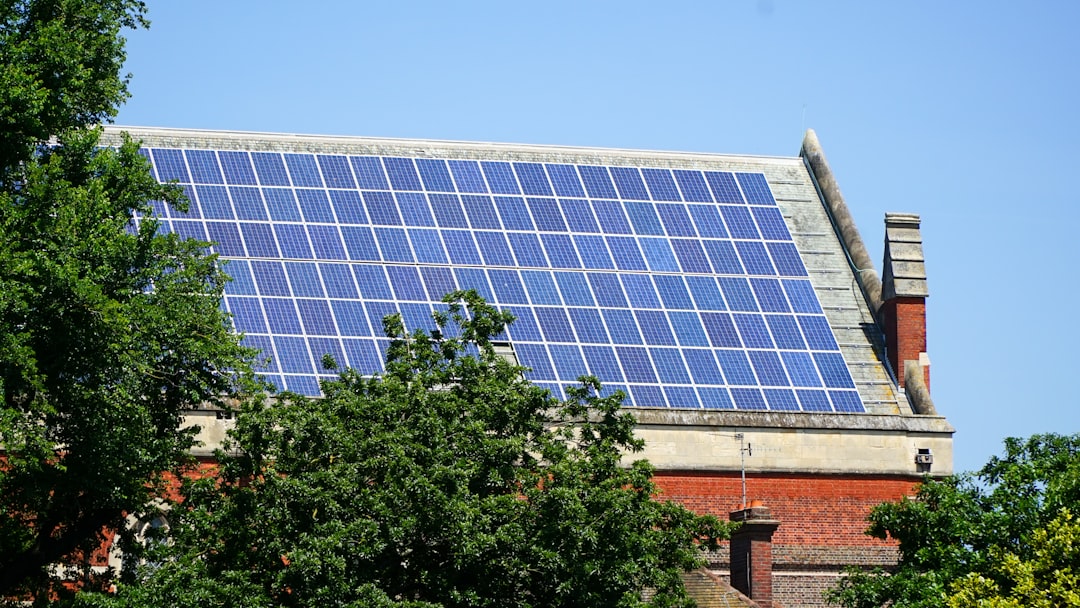
Solar panels and renewable energy systems were once considered luxury additions. Today, they are increasingly mainstream. Installing solar panels can significantly reduce electricity bills and even allow homeowners to sell excess power back to the grid in some regions.
Key renewable upgrades include:
- Rooftop solar panels
- Solar battery storage systems
- Electric vehicle charging stations
Battery storage systems add resilience during power outages and increase independence from fluctuating utility costs. EV charging stations, meanwhile, are becoming essential as electric vehicle adoption surges. Installing one now positions your home ahead of market demand.
Forward-thinking energy investments signal to buyers that your home is built for the future.
3. Smart Home Technology That Evolves With You
Smart home technology has moved beyond novelty and into necessity. Today’s buyers often expect integrated digital systems that enhance security, convenience, and efficiency.
Valuable smart upgrades include:
- Smart lighting systems with automation schedules
- Video doorbells and security cameras
- Smart locks with remote access
- Whole-home Wi-Fi optimization
The most future-proof systems are those that allow updates and modular expansion. Choose platforms that integrate multiple devices and offer software updates, ensuring that your system doesn’t become obsolete within a few years.
Security features are especially impactful. Modern buyers prioritize properties where packages, visitors, and entry points can be monitored remotely. These features not only enhance daily safety but also boost perceived property value.
4. Durable and Low-Maintenance Materials
Future-proof homes minimize maintenance burdens. High-quality materials may require a higher upfront investment but typically reduce repair costs and replacement frequency over time.
Smart material choices include:
- Fiber cement or metal siding
- Composite decking
- Quartz or engineered stone countertops
- Luxury vinyl plank flooring
Durable materials resist weather damage, pests, and wear. They maintain aesthetic appeal for longer periods, preserving resale value while reducing headaches for homeowners.
Longevity equals value. Homes built or renovated with resilient materials stand out in competitive markets.
5. Flexible Living Spaces
Lifestyle trends change rapidly. What served as a guest room yesterday may need to function as a home office, gym, or multigenerational living space tomorrow. Designing adaptable rooms future-proofs your home against shifting needs.
Image not found in postmetaIdeas for flexibility:
- Sliding or pocket doors to divide open spaces
- Built-in storage solutions that reduce clutter
- Convertible furniture
- Finished basements or accessory dwelling units
Remote work trends have permanently altered buyer priorities. Dedicated office space or soundproofed areas are now major selling points. Additionally, multigenerational housing options—such as in-law suites—expand your home’s market appeal.
6. Water Conservation and Smart Plumbing
Water scarcity concerns and rising utility costs make conservation upgrades increasingly important. Efficient fixtures and leak detection systems protect both your wallet and the environment.
Consider installing:
- Low-flow toilets and showerheads
- Smart leak detection systems
- Tankless water heaters
- Drought-resistant landscaping
Tankless water heaters provide hot water on demand while consuming less energy. Meanwhile, smart leak sensors can detect hidden problems before they cause significant damage—saving thousands in potential repairs.
Sustainable landscaping reduces irrigation costs and enhances curb appeal without requiring constant upkeep.
7. Climate Resilience Improvements
Extreme weather events are becoming more common in many regions. Climate-resilient upgrades can protect your home and preserve its long-term marketability.
Strategic improvements include:
- Impact-resistant windows
- Reinforced roofing materials
- Elevated HVAC systems in flood-prone areas
- Backup generators
Insurance companies increasingly consider resilience features when determining premiums. By fortifying your home against environmental risks, you protect both your property and your investment.
A resilient home doesn’t just withstand storms—it maintains its value despite them.
8. Modern Kitchens and Bathrooms
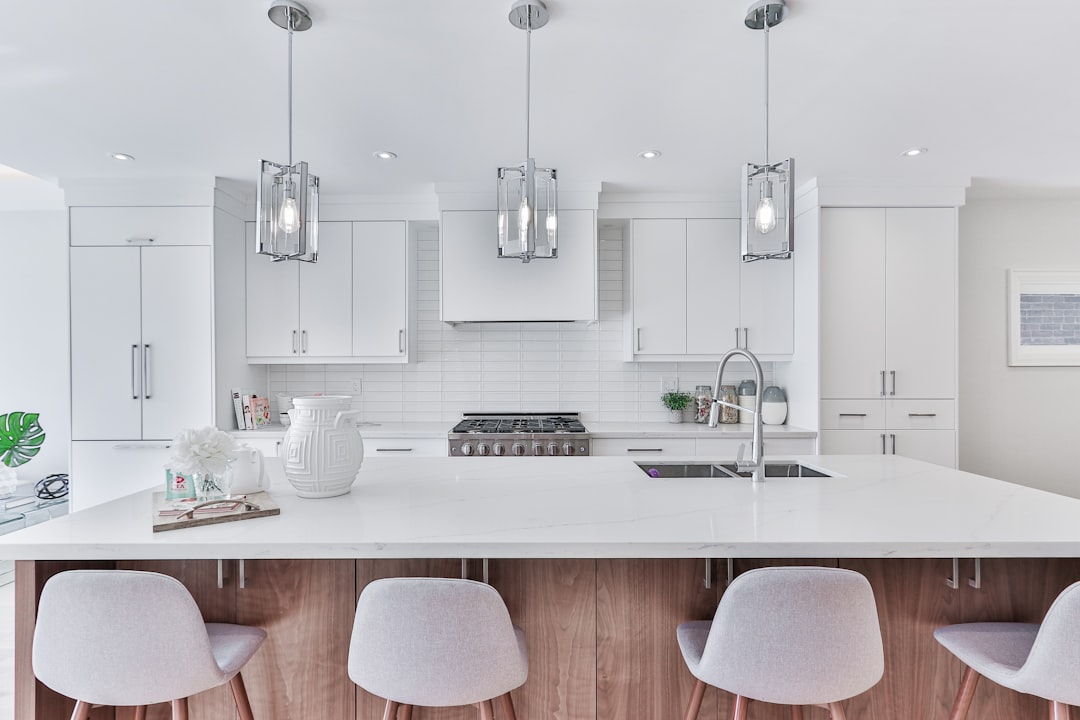
Kitchens and bathrooms consistently offer strong returns on investment. However, the key to future-proofing these spaces lies in blending timeless aesthetics with practical technology.
Focus on:
- Energy-efficient appliances
- Touchless faucets
- LED lighting
- Ample storage solutions
Neutral color palettes and classic finishes tend to age better than trend-driven designs. At the same time, incorporating smart features—like app-controlled ovens or lighting—adds contemporary appeal.
Bathrooms benefit from walk-in showers, slip-resistant flooring, and comfort-height toilets. These features improve accessibility and accommodate aging-in-place, making your home suitable for a broader demographic over time.
9. Enhanced Indoor Air Quality
Health-conscious buyers now prioritize indoor air quality more than ever. Investing in advanced filtration and ventilation systems can significantly elevate your home’s appeal.
Valuable enhancements include:
- HEPA filtration systems
- Whole-home air purifiers
- Proper ventilation in kitchens and bathrooms
- Non-toxic, low-VOC paints
Clean air contributes to healthier living conditions and demonstrates thoughtful homeownership. As awareness of environmental and health concerns grows, these upgrades become increasingly attractive.
10. Curb Appeal with Purpose
First impressions matter. Future-proof curb appeal blends aesthetics with sustainability and functionality.
Invest in:
- Energy-efficient outdoor lighting
- Native plant landscaping
- Durable exterior finishes
- Smart irrigation systems
Well-designed outdoor spaces extend livable square footage and increase enjoyment of your property. Patios, pergolas, and outdoor kitchens can further enhance long-term value—especially when constructed with durable materials and integrated lighting.
Strategic Planning for Maximum ROI
Not all upgrades are equal in every market. Before renovating, consider:
- Local buyer preferences
- Regional climate factors
- Available incentives or tax credits
- Your timeline for resale
Consulting real estate professionals and contractors can provide insights into which improvements yield the strongest returns in your area.
Above all, balance personalization with universal appeal. While it’s important to enjoy your home, overly customized features may reduce buyer interest later.
Future-Proofing Is an Ongoing Process
Future-proofing your home is not a single renovation project—it’s a mindset. Technology will continue to evolve, environmental priorities will shift, and lifestyle trends will change. By focusing on flexibility, efficiency, and durability, you position your property to adapt alongside these transformations.
Smart upgrades today protect against obsolescence tomorrow. Whether through renewable energy systems, adaptable living spaces, or climate-resilient construction, each improvement strengthens your home’s foundation for the years ahead.
The homes that hold value over time are those designed not just for the present—but for possibility.
