
Brand Awareness KPIs: Brandwatch vs Google Analytics for Measuring Brand Awareness KPIs
Brandwatch is stronger for measuring public brand awareness, while Google Analytics is stronger for measuring what that awareness does once people reach the website. A serious brand measurement setup usually needs both. Brandwatch shows who is talking, where they are talking, and how the brand is perceived. Google Analytics shows whether that attention turns into visits, engaged sessions, and conversions.
TLDR: Brandwatch is best for off-site awareness KPIs such as mentions, share of voice, sentiment, reach, and audience conversation trends. Google Analytics is best for on-site awareness signals such as direct traffic, branded search traffic, referral traffic, and new user growth. For example, a skincare brand might see Brandwatch report a 42% jump in mentions after a creator campaign, while Google Analytics shows only an 18% lift in direct traffic and a 9% increase in branded organic sessions. That gap tells the team that awareness rose, but website intent lagged behind.
Brand Awareness KPIs: What Each Tool Actually Measures
Brand awareness KPIs track how many people know a brand, how often they talk about it, and whether they remember it well enough to search, visit, or engage. The tricky part is that awareness does not live in one place. It appears in social posts, news articles, search behavior, direct visits, referrals, and even dark social traffic that no tool captures perfectly.
Brandwatch focuses on the outside world. It collects online conversations from social networks, forums, blogs, news sites, review platforms, and other public sources. It helps teams understand how visible a brand is before a person lands on the website.
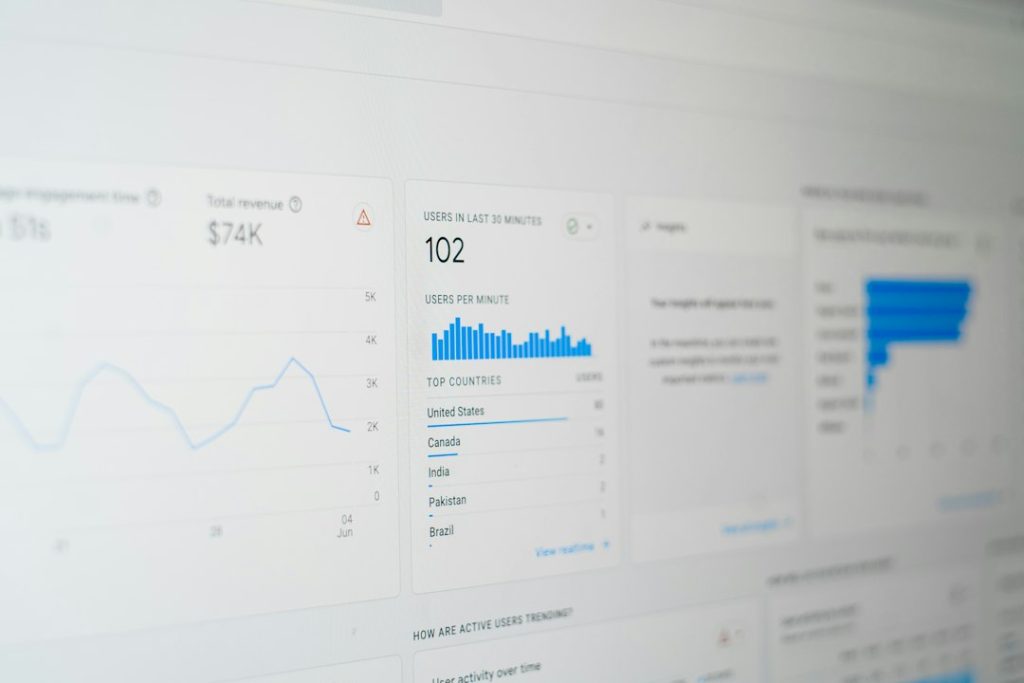
Google Analytics, especially GA4, focuses on owned digital properties. It measures visitor behavior on a website or app. It cannot see most conversations happening elsewhere, but it can show whether awareness creates action.
Best Brand Awareness KPIs in Brandwatch
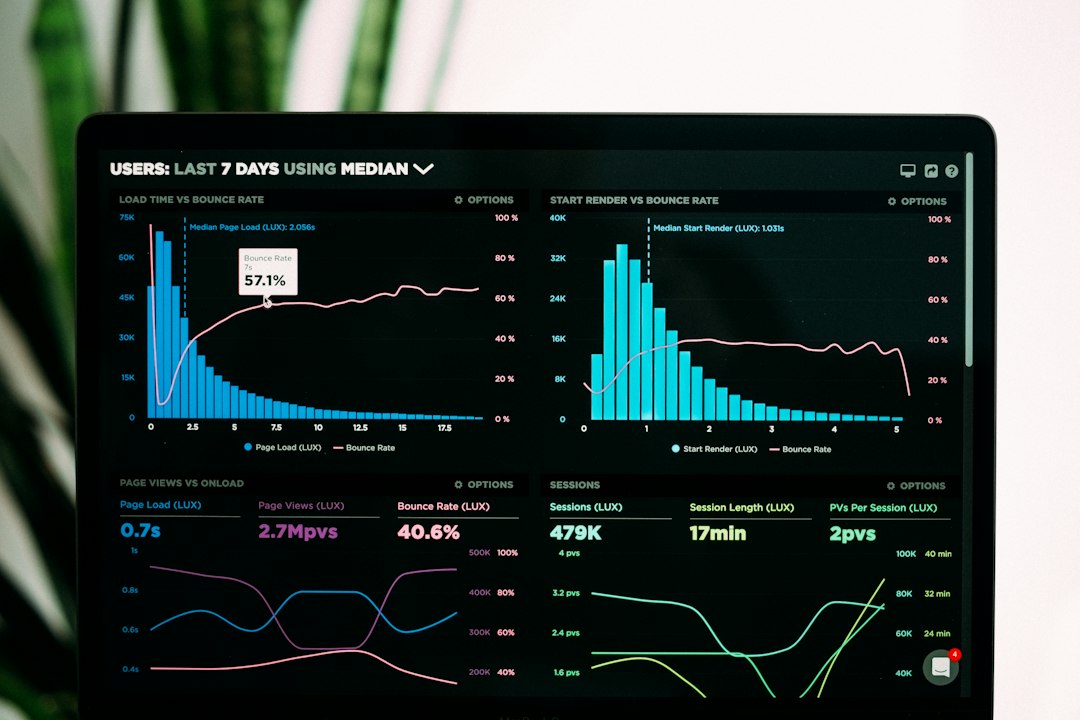
Brandwatch is built for social listening and consumer intelligence. That makes it useful when a brand wants to measure attention, perception, and conversation quality.
- Brand mentions: The number of times the brand is mentioned across tracked sources. This is one of the clearest volume-based awareness indicators.
- Share of voice: The brand’s share of total category or competitor conversation. If a brand owns 28% of category mentions while its closest rival owns 19%, awareness is likely moving in the right direction.
- Sentiment: The ratio of positive, neutral, and negative mentions. Awareness is not always good. A spike caused by complaints can hurt brand health.
- Reach and impressions: Estimated exposure from mentions, posts, authors, and publishers. These numbers are directional, not perfect.
- Audience demographics: Data around audience interests, locations, professions, and communities where available.
- Influencer and publisher impact: Which accounts, creators, or media outlets are driving awareness.
- Topic and theme trends: What people associate with the brand, such as price, quality, service, delivery, sustainability, or product flaws.
The catch is that Brandwatch can produce a lot of noise. A broad query may pull in unrelated mentions, abbreviations, jokes, and duplicate posts. Teams should expect to spend time refining Boolean search strings. It can feel irritating when a simple brand name takes several rounds of cleanup before the data becomes useful.
Best Brand Awareness KPIs in Google Analytics
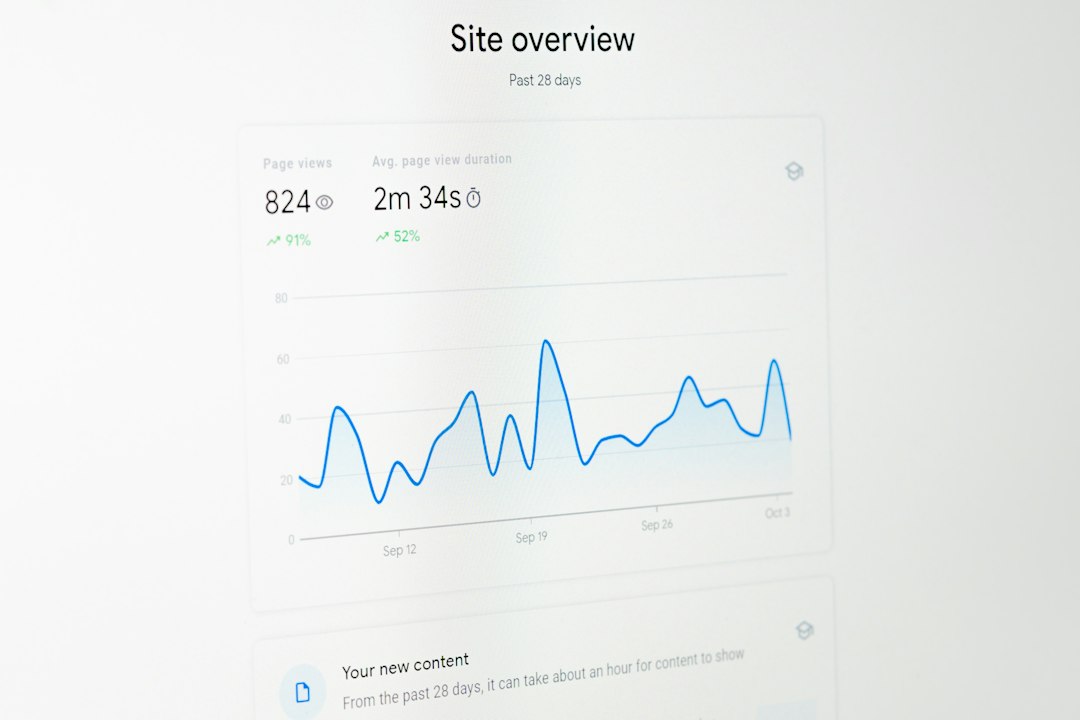
Google Analytics does not measure public conversation. It measures behavior after a user reaches a site or app. Still, it is valuable for awareness because stronger brands often see more people arrive directly, search by name, or return without heavy paid media.
- Direct traffic: A rise in direct sessions may suggest stronger brand recall. People type the URL, use bookmarks, or arrive from untagged sources.
- Branded organic search traffic: Visitors who arrive after searching the brand name, product name, or service line. GA4 often needs help from Google Search Console for deeper query data.
- New users: Awareness campaigns should bring in fresh audiences, not only repeat buyers.
- Returning users: A growing returning audience can show increased familiarity and interest.
- Referral traffic: Mentions from publishers, partners, review sites, and communities can send visits that indicate awareness spillover.
- Engagement rate: If new visitors bounce quickly, the awareness may be weak or poorly targeted.
- Assisted conversions: Awareness channels may not close the sale, but they often start the journey.
Honestly, it feels like GA4 makes some basic questions harder than they should be. Finding clean branded search insight often requires Search Console, custom reports, and careful channel grouping. A marketer expecting one simple awareness dashboard may waste 30 minutes building a report that should have taken five.
Brandwatch vs Google Analytics: The Practical Difference
The major difference is where awareness is observed. Brandwatch measures awareness in the open market. Google Analytics measures awareness after people interact with owned properties.
| Area | Brandwatch | Google Analytics |
|---|---|---|
| Main use | Conversation and social listening | Website and app behavior |
| Best awareness KPI | Share of voice | Branded and direct traffic |
| Strength | Measures market attention | Measures visitor action |
| Weakness | Can include noisy or incomplete data | Cannot track most off-site mentions |
| Best user | Brand, PR, social, insights teams | Digital marketing, ecommerce, analytics teams |
Which Tool Is Better for Measuring Brand Awareness?
Brandwatch is better for top-of-funnel awareness measurement. It answers questions such as:
- How often is the brand mentioned?
- Is conversation growing or shrinking?
- How does the brand compare with competitors?
- Are people talking positively or negatively?
- Which topics are linked to the brand?
Google Analytics is better for measuring awareness outcomes. It answers questions such as:
- Did brand demand increase?
- Are more people visiting directly?
- Did branded search grow?
- Are new audiences engaging?
- Did awareness activity support revenue?
A clothing retailer running a TikTok creator campaign could use Brandwatch to track a 65% lift in mentions, a 12-point rise in positive sentiment, and a 7% gain in share of voice against two competitors. The same team could use Google Analytics to check whether direct traffic rose, whether product page views increased, and whether new users from mobile grew after the campaign started.
How to Use Both Tools Together
The strongest setup connects conversation data with behavior data. Brandwatch should identify awareness spikes. Google Analytics should show whether those spikes produced quality traffic.
- Set a baseline: Track 30 to 90 days of mentions, share of voice, direct traffic, branded search, and new users.
- Tag campaigns: Use UTM parameters on creator, PR, email, and partner links.
- Compare time windows: Measure before, during, and after major campaigns.
- Segment by market: A campaign may increase mentions in one region but traffic in another.
- Watch sentiment: More mentions mean little if negative sentiment rises at the same time.
Recommended KPI Stack
For most teams, a balanced brand awareness KPI stack should include:
- Brandwatch: Mentions, share of voice, sentiment, reach, top topics, key authors, competitor comparison.
- Google Analytics: Direct sessions, branded organic sessions, new users, engaged sessions, referral traffic, assisted conversions.
- Combined view: Awareness growth rate, traffic response rate, sentiment-adjusted visibility, campaign impact by channel.
This prevents a common mistake: celebrating noise as growth. A brand may get thousands of mentions from a controversy. Brandwatch would show the spike. Google Analytics might show low engagement and weak conversions. Together, the tools help teams separate healthy awareness from empty attention.
FAQ
Is Brandwatch better than Google Analytics for brand awareness?
Brandwatch is better for measuring public awareness, conversation, sentiment, and share of voice. Google Analytics is better for measuring what happens after people visit a website or app.
Can Google Analytics measure brand awareness by itself?
Only partly. It can measure direct traffic, branded organic traffic, new users, and engagement. It cannot measure most social mentions, media attention, or competitor share of voice.
What is the most useful Brandwatch KPI for awareness?
Share of voice is often the most useful because it compares brand visibility against competitors. Mentions and sentiment should be reviewed with it.
What is the most useful Google Analytics KPI for awareness?
Branded organic traffic and direct traffic are two of the strongest signals. They suggest that people know the brand well enough to search for it or visit directly.
Should a small business use both tools?
A small business may start with Google Analytics and Search Console if budget is tight. Brandwatch becomes more useful when the business receives regular social, press, or community conversation and needs deeper brand tracking.
