
Best Web Hosting for Blogs: 8 Fast and Reliable Hosting Providers Compared
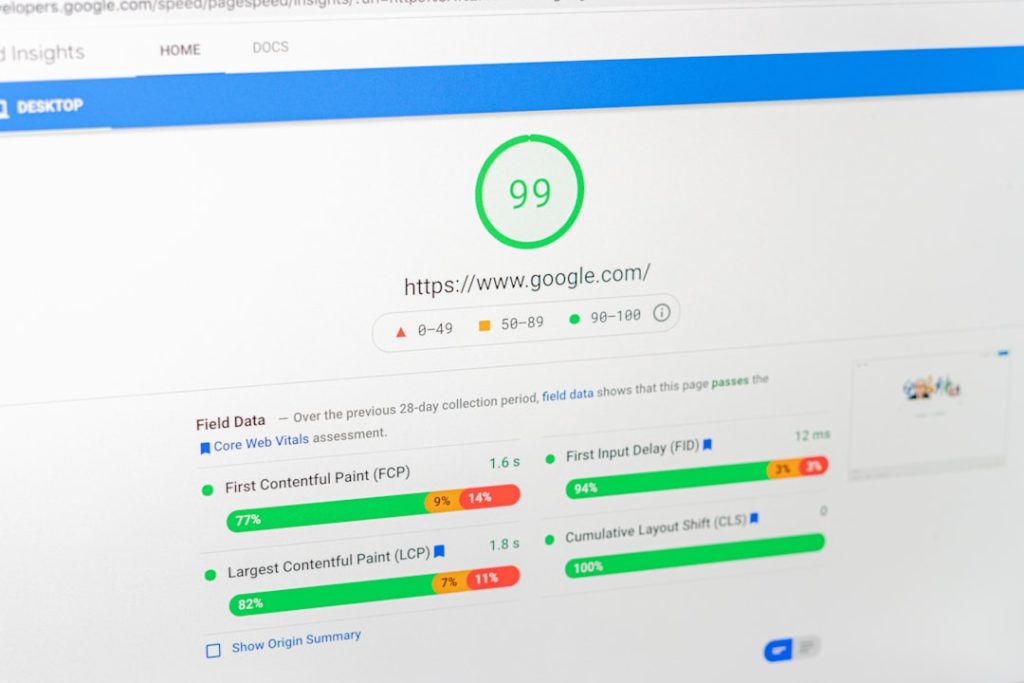
Choosing the right web hosting provider can make a major difference in how quickly a blog loads, how reliably it stays online, and how easily it grows over time. For personal bloggers, niche publishers, affiliate site owners, and editorial teams, the best hosting is not simply the cheapest option; it is the provider that balances speed, uptime, support, ease of use, and scalability.
TLDR: The best web hosting for blogs depends on the blogger’s budget, technical skill, and growth plans. SiteGround and DreamHost are strong all-around choices, while Hostinger is ideal for tight budgets. WP Engine and Kinsta suit serious WordPress blogs that need premium managed performance. Bloggers who want flexible cloud hosting may prefer Cloudways.
What Makes a Hosting Provider Good for Blogs?
A blog needs hosting that can handle frequent publishing, image-heavy posts, search traffic, and occasional traffic spikes. The most important factors include fast server response times, reliable uptime, simple WordPress installation, helpful support, backups, security tools, and transparent pricing. A beginner may value an easy dashboard and low monthly cost, while a professional publisher may care more about staging tools, caching, and server resources.
The following providers are among the best options for bloggers who want speed and reliability without unnecessary complexity.
1. SiteGround
Best for: Bloggers who want reliable WordPress hosting with strong support.
SiteGround is often favored by bloggers because it combines user-friendly tools with solid performance. Its WordPress plans include managed updates, caching, daily backups, free SSL, and a custom control panel that is easier for many users than traditional cPanel. SiteGround’s support team is also known for being responsive and knowledgeable.
The main drawback is pricing. Introductory rates are attractive, but renewal prices can be significantly higher. Still, for bloggers who want dependable hosting and do not mind paying more after the first term, SiteGround is a polished and reliable choice.
- Pros: Excellent support, strong uptime, good WordPress tools
- Cons: Higher renewal pricing, storage limits on lower plans
2. Bluehost
Best for: New bloggers who want a simple WordPress starting point.
Bluehost is one of the most recognizable names in blog hosting and is especially popular with beginners. It offers one-click WordPress installation, a free domain for the first year on many plans, free SSL, and a straightforward dashboard. For first-time bloggers, Bluehost provides a guided setup process that reduces the confusion of launching a site.
Performance is generally acceptable for small to medium blogs, although high-traffic sites may eventually need upgraded hosting. Bluehost works best for bloggers who want an affordable, familiar provider and are still building their audience.
- Pros: Beginner-friendly, affordable starter plans, easy WordPress setup
- Cons: Upsells during checkout, performance may vary on shared plans
3. Hostinger
Best for: Budget-conscious bloggers who still want good speed.
Hostinger stands out for its low pricing and surprisingly strong performance for the cost. Its custom control panel is clean, modern, and easy to use. Many plans include free SSL, email, backups, and WordPress optimization features. For bloggers launching on a limited budget, Hostinger offers one of the best value combinations available.
The tradeoff is that support may not always feel as premium as higher-priced managed hosts, and the lowest plans have resource limits. However, for new blogs, personal sites, and content experiments, Hostinger is a practical and fast option.
- Pros: Very affordable, fast for the price, simple dashboard
- Cons: Resource limits on entry plans, best deals require longer terms
4. DreamHost
Best for: Bloggers who want transparent pricing and dependable hosting.
DreamHost is a strong all-around host with a reputation for fair policies and reliable service. It offers WordPress hosting, free SSL, automated backups on many plans, and generous storage. Its monthly billing options are also more flexible than many competitors, making it suitable for bloggers who do not want to commit to a long contract.
DreamHost’s dashboard is different from cPanel, so some users may need time to adjust. However, its combination of affordability, reliability, and WordPress support makes it a smart choice for growing blogs.
- Pros: Flexible billing, solid reliability, good value
- Cons: Custom dashboard has a learning curve, live support hours may vary

5. A2 Hosting
Best for: Bloggers focused on speed and developer flexibility.
A2 Hosting is known for performance-focused plans, especially its higher-tier Turbo servers. It offers shared hosting, managed WordPress hosting, VPS options, and developer-friendly tools. Bloggers who care about page speed, caching, and technical control may appreciate A2 Hosting’s flexibility.
Its interface can feel slightly more technical than beginner-first providers, but it remains accessible for most WordPress users. The best speed benefits usually appear on higher plans, so bloggers should compare costs carefully before choosing.
- Pros: Strong speed potential, many hosting types, developer-friendly
- Cons: Best performance costs more, interface may feel technical
6. WP Engine
Best for: Professional WordPress blogs and content businesses.
WP Engine is a premium managed WordPress host built for performance, security, and workflow efficiency. It includes automatic updates, daily backups, staging environments, advanced caching, and expert WordPress support. For established bloggers, publishers, and businesses, WP Engine can reduce technical maintenance and improve site stability.
The biggest limitation is price. WP Engine is much more expensive than shared hosting and usually places limits on traffic and storage. It is not necessary for small hobby blogs, but it is excellent for serious WordPress projects that generate revenue.
- Pros: Premium WordPress performance, strong security, staging tools
- Cons: Expensive, WordPress only, plan limits must be monitored
7. Kinsta
Best for: High-performance WordPress blogs with global audiences.
Kinsta is another premium managed WordPress provider, known for speed, modern infrastructure, and a sleek dashboard. It offers automatic backups, staging, security monitoring, and expert support. Kinsta is especially appealing to publishers who want excellent performance without managing servers directly.
Like WP Engine, Kinsta is priced for serious websites rather than casual beginners. It is best suited to blogs where performance, uptime, and support quality justify the higher monthly cost.
- Pros: Excellent performance, clean dashboard, strong managed features
- Cons: Higher pricing, not ideal for very small blogs
8. Cloudways
Best for: Bloggers who want managed cloud hosting flexibility.
Cloudways offers a different model: it lets users host sites on cloud providers while managing the technical layer through the Cloudways platform. This gives bloggers more flexibility in server size, location, and scaling. It can deliver excellent performance for WordPress blogs, especially those outgrowing shared hosting.
Cloudways is easier than managing a raw cloud server, but it is still more technical than basic shared hosting. It is best for bloggers who want power and flexibility without going fully hands-on with server administration.
- Pros: Scalable cloud hosting, strong performance, flexible server options
- Cons: More technical than beginner hosting, email hosting may require add-ons

Quick Comparison
- Best overall: SiteGround
- Best beginner option: Bluehost
- Best budget host: Hostinger
- Best flexible value: DreamHost
- Best speed-focused shared host: A2 Hosting
- Best premium WordPress host: WP Engine
- Best high-performance managed host: Kinsta
- Best scalable cloud option: Cloudways
Final Verdict
For most bloggers, SiteGround offers the best mix of performance, support, and WordPress-friendly features. Hostinger is the strongest choice for those who need affordable hosting, while DreamHost works well for bloggers who value flexibility and fair pricing. Serious publishers should consider WP Engine or Kinsta, while technically confident bloggers who expect growth may find Cloudways the most scalable option.
FAQ
- What type of hosting is best for a new blog?
- Shared WordPress hosting is usually best for a new blog because it is affordable, simple to manage, and powerful enough for early traffic.
- Is managed WordPress hosting worth it?
- Managed WordPress hosting is worth it for blogs that earn revenue, receive steady traffic, or need better security, backups, support, and performance tools.
- Which host is best for a low-budget blog?
- Hostinger is one of the best low-budget options because it provides good speed and essential blog features at a low starting price.
- When should a blog upgrade from shared hosting?
- A blog should consider upgrading when pages load slowly, traffic grows significantly, server errors become common, or the site needs advanced staging and security features.
- Does hosting affect SEO?
- Yes. Hosting can affect SEO indirectly through page speed, uptime, security, and user experience, all of which influence how visitors and search engines interact with a blog.
