
April Newsletter Ideas: Mailchimp vs beehiiv for April Newsletter Content

For April newsletter content, beehiiv is usually the better pick for creators and media-style newsletters, while Mailchimp is stronger for ecommerce teams, nonprofits, and brands that need deeper campaign automation. April is packed with timely angles: spring refreshes, Earth Month, Easter, tax season, seasonal sales, and Q2 planning. The best platform depends on whether the sender wants audience growth and publishing speed, or polished customer journeys and broad marketing controls.
TLDR: A small creator newsletter planning four April issues may move faster in beehiiv, especially if referral growth and clean writing tools matter. A retail brand running an April spring sale, an abandoned cart flow, and segmented product emails will likely do better with Mailchimp. For example, a list of 12,000 subscribers could test an Earth Day subject line against a spring sale subject line and aim for a 3% to 7% lift in open rate through segmentation. If the goal is simple publishing plus growth, beehiiv wins; if the goal is multi-step marketing, Mailchimp wins.
Why April Newsletters Need a Clear Platform Choice
April content is easy to overstuff. Teams often try to mention spring, Easter, taxes, Earth Day, product launches, and Q2 goals in one noisy email. That usually hurts clicks. A better April newsletter plan picks one theme per send and matches that theme to the right tool.
Mailchimp helps when the campaign needs ecommerce blocks, audience segments, product recommendations, coupons, landing pages, and behavior-based automations. beehiiv helps when the newsletter itself is the product, especially for writers, founders, analysts, educators, and niche publishers.
Honestly, it feels like Mailchimp sometimes adds three extra clicks to simple tasks that should be instant. But it also gives teams more knobs to turn. beehiiv feels cleaner, though teams that need advanced retail journeys may hit limits sooner.

Best April Newsletter Ideas for Mailchimp
Mailchimp works well for April campaigns tied to sales, customer data, events, and product movement. Its best use is not just sending a newsletter. It is sending different versions of that newsletter to the right people.
- Spring sale campaign: A clothing, home, or beauty brand can promote seasonal items with product blocks, discount codes, and purchase-based segments.
- Earth Month promotion: Sustainable products, donation matches, recycled packaging updates, or low-waste tips fit well. Mailchimp can segment past buyers of eco-friendly items.
- Tax season reminder: Accountants, finance apps, consultants, and legal services can send deadline nudges and appointment booking links.
- Easter shopping guide: Retailers can share gifts, meals, decor, and last-minute shipping deadlines.
- Q2 planning email: B2B companies can offer templates, checklists, audits, or webinar invites.
Mailchimp is also useful when a team wants to send based on behavior. For example, a garden store could send one April email to past seed buyers and a different one to customers who bought tools. That can make the content feel less generic. A broad “Spring is here” email often gets ignored. A “Tomato planting checklist for Zone 6” email gets attention.
Best April Newsletter Ideas for beehiiv
beehiiv is built for newsletter-first content. It fits publishers that want clean writing, fast sends, referral programs, recommendations, sponsorship tools, and reader growth. April is a strong month for editorial newsletters because seasonal themes are easy to turn into recurring content.
- April trend roundup: Writers can share industry trends, creator economy notes, AI updates, wellness shifts, or finance insights.
- Earth Day issue: A publication can feature practical tips, expert quotes, reader stories, or data highlights.
- Spring reset series: Productivity, fitness, design, education, and lifestyle newsletters can run a four-part April series.
- Q2 forecast: Business and investing newsletters can publish predictions, charts, risks, and watchlists.
- Reader referral push: April can include a referral reward tied to a checklist, private issue, or downloadable guide.
beehiiv also makes it simple to keep a newsletter feeling like a publication instead of a sales blast. A solo operator can draft, format, publish, and review performance without feeling buried in menus. The downside is that ecommerce teams may miss some of Mailchimp’s deeper store-focused controls.
Mailchimp vs beehiiv: April Content Planning Comparison
| Need | Better Choice | Reason |
|---|---|---|
| Product promotions | Mailchimp | It supports ecommerce blocks, store data, coupons, and cart-related emails. |
| Editorial newsletters | beehiiv | It offers a cleaner writing flow and strong publishing features. |
| Referral growth | beehiiv | Its referral tools are built for audience expansion. |
| Automated customer journeys | Mailchimp | It gives more options for behavior-based marketing paths. |
| Fast weekly publishing | beehiiv | It reduces setup friction for newsletter creators. |
April Content Calendar Ideas
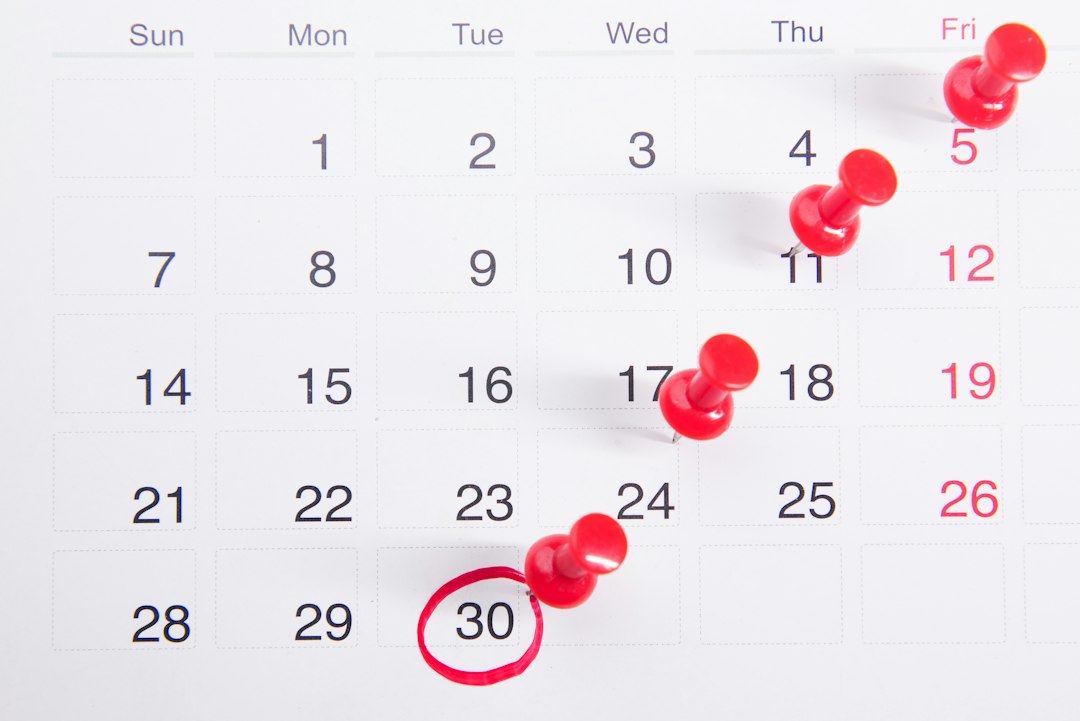
A simple April calendar beats a messy one. Four strong sends are enough for many teams. More email is not always better, especially if the list is already tired.
- Week 1: Spring reset. Share a checklist, guide, product refresh, or planning note. This works for both Mailchimp and beehiiv.
- Week 2: Useful seasonal advice. Send tax reminders, spring cleaning tips, planting advice, travel prep, or Q2 business planning.
- Week 3: Community or story issue. Feature a customer, reader, founder, staff member, or case study.
- Week 4: Earth Day or April recap. Share sustainability updates, results, best links, top products, or lessons from the month.
For Mailchimp, each week can be segmented by past purchases, engagement, location, or interest. For beehiiv, each week can build a stronger reader habit. A publisher might run a four-part “April Reset” series and ask readers to share each issue with one friend. Even a modest 2% referral conversion on 10,000 readers can add 200 new subscribers in a month.
Subject Line Ideas for April
Subject lines should be clear before they are clever. April themes can turn cheesy fast. The strongest lines promise a real benefit.
- “Your April reset starts here”
- “5 spring updates worth your time”
- “Earth Day ideas that are not just slogans”
- “The Q2 checklist for busy teams”
- “Last call for Easter delivery”
- “What readers clicked most this month”
Mailchimp users can A/B test subject lines for campaigns with enough volume. beehiiv users can watch open rates and clicks across issues to spot recurring reader interests. A good April benchmark might be a 35% to 45% open rate for a healthy creator newsletter, while ecommerce lists may sit lower depending on list age and send frequency.
Which Platform Should Different Teams Pick?
A creator or solo writer should usually pick beehiiv for April newsletter content. It is easier to publish often, grow through referrals, and keep the format simple. A finance writer could send an April tax issue, a Q2 market outlook, and a reader Q&A without building complex workflows.
An ecommerce brand should usually pick Mailchimp. April promotions often need product feeds, discount codes, customer segments, and abandoned cart emails. A skincare brand, for example, could send one spring routine email to dry-skin customers and another to buyers interested in sunscreen.
A nonprofit may prefer Mailchimp if donor journeys matter. Earth Month campaigns, volunteer reminders, and fundraising appeals benefit from audience history. Still, a nonprofit with a media-style mission newsletter could choose beehiiv if growth and storytelling matter more than donor automation.
A B2B company can go either way. Mailchimp is better for lead nurturing and webinar campaigns. beehiiv is better for founder-led thought leadership, weekly insights, and community building.
Practical Recommendation
If the April newsletter plan is built around sales, segmentation, and automation, Mailchimp is the safer choice. If it is built around content, audience growth, and repeat readership, beehiiv is the smarter fit. The best choice is not the tool with the longest feature list. It is the one that makes the April plan easier to send on time.
Expect to waste time on cleanup if the team picks the wrong platform. A creator does not need a heavy ecommerce system to send a sharp weekly essay. A store does not need a publisher-first tool to manage coupon flows. April rewards focus, and the right platform keeps that focus intact.
FAQ
Is Mailchimp or beehiiv better for April newsletters?
Mailchimp is better for promotional April newsletters with ecommerce, coupons, and automation. beehiiv is better for editorial newsletters, creator updates, audience growth, and referral campaigns.
What should an April newsletter include?
An April newsletter can include spring tips, Earth Day content, Easter offers, tax reminders, Q2 planning advice, customer stories, or seasonal product picks. The best issue should focus on one main idea.
Can beehiiv be used for ecommerce newsletters?
Yes, but it is not usually the strongest choice for complex ecommerce needs. Brands that rely on product feeds, cart emails, and purchase segments may prefer Mailchimp.
Can Mailchimp work for creators?
Yes. Creators can use Mailchimp for regular newsletters. Still, beehiiv often feels faster and cleaner for writers who care about publishing, referrals, and reader growth.
How many April newsletters should a brand send?
Many brands can start with one email per week. That gives them four strong April sends without crowding the inbox. High-volume ecommerce brands may send more, but only if the content stays useful.
