
Lab Management System Software: LabWare and STARLIMS Among the Laboratory Software Choices
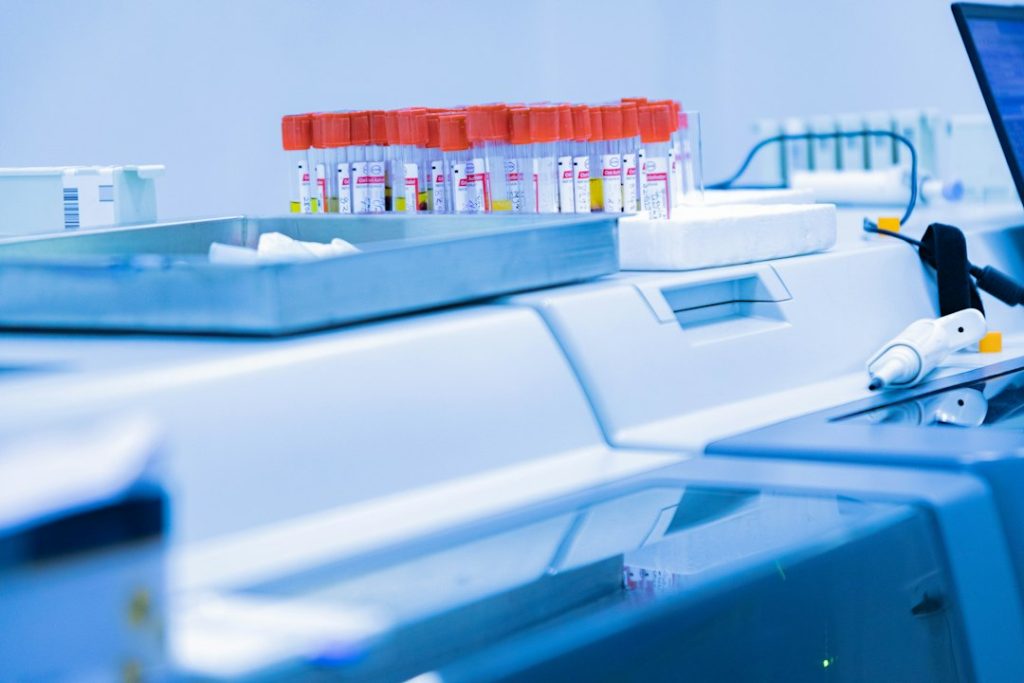
LabWare and STARLIMS should be on the shortlist when a lab needs serious, enterprise-grade lab management system software. Both products support sample tracking, workflows, reporting, compliance, and integration with instruments or business systems. The wider LIMS market is also growing fast, with one forecast placing it near $4 billion by 2029 [source: MarketsandMarkets]. That growth makes sense. Labs are tired of spreadsheets, duplicated entries, missing samples, and audit stress.
TLDR: LabWare is often a strong fit for large labs with complex processes, global sites, and heavy configuration needs. STARLIMS is also a strong enterprise option, especially for regulated labs that want structured workflows and solid reporting. For example, if a lab handles 500 samples per day, saving just 20 seconds per sample can return almost three staff hours daily. The right choice depends less on the logo and more on fit, setup effort, integrations, and user adoption.
What lab management system software actually does
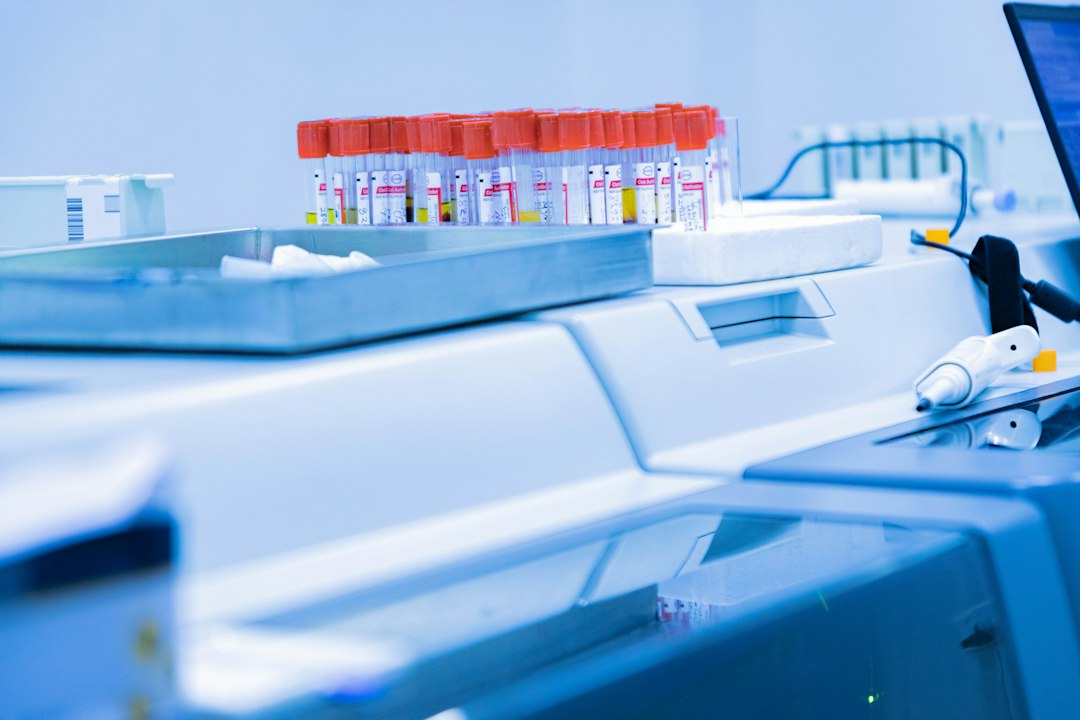
A Lab Management System, often called a LIMS, helps a lab control samples, tests, results, approvals, inventory, and reports. Good software creates a single record of what happened. Who received the sample. Which instrument ran the test. Who approved the result. When the certificate went out.
That sounds basic. It is not. Many labs still run partly on Excel, email, paper notebooks, and tribal knowledge. It drives me crazy that a lab can use advanced instruments worth six figures, then track urgent work in a shared spreadsheet called “final version 7.” A LIMS fixes much of that mess when it is planned well.
LabWare: strong for complex labs
LabWare LIMS is one of the best-known choices for enterprise labs. It is often used by pharmaceutical, environmental, food, chemical, clinical, and manufacturing organizations. Its main strength is flexibility. Labs with unusual workflows, many departments, or multiple locations often like that.
LabWare can manage:
- Sample login and chain of custody
- Test assignment and workload control
- Instrument integration
- Stability studies
- Quality control checks
- Certificates of analysis
- Regulated records and audit trails
The catch is that flexibility can bring complexity. A powerful system needs careful setup. If the project team skips workflow mapping, the software may copy old bad habits into a shiny new interface. That gets expensive fast.
LabWare is a good match when a lab wants deep configuration and has the staff, budget, and patience to do the project properly. It is not ideal for a tiny lab that only needs simple sample tracking and a few standard reports.
STARLIMS: structured, regulated, and broad
STARLIMS is another major name in laboratory software. It is used across industries such as public health, forensics, manufacturing, food safety, and life sciences. It is known for managing regulated lab work, data control, and operational reporting.
STARLIMS often appeals to labs that want strong process control. It can support sample handling, testing, review, reporting, inventory, and compliance tasks. Many teams also value the ability to connect lab data with wider business needs.
Honestly, it feels like some LIMS demos make every platform look perfect. The real test comes later. Ask staff to run a normal day in the system. Log samples. Correct a result. Reassign work. Create a report. If simple actions take too many clicks, users will complain on day two.
LabWare vs STARLIMS: what to compare
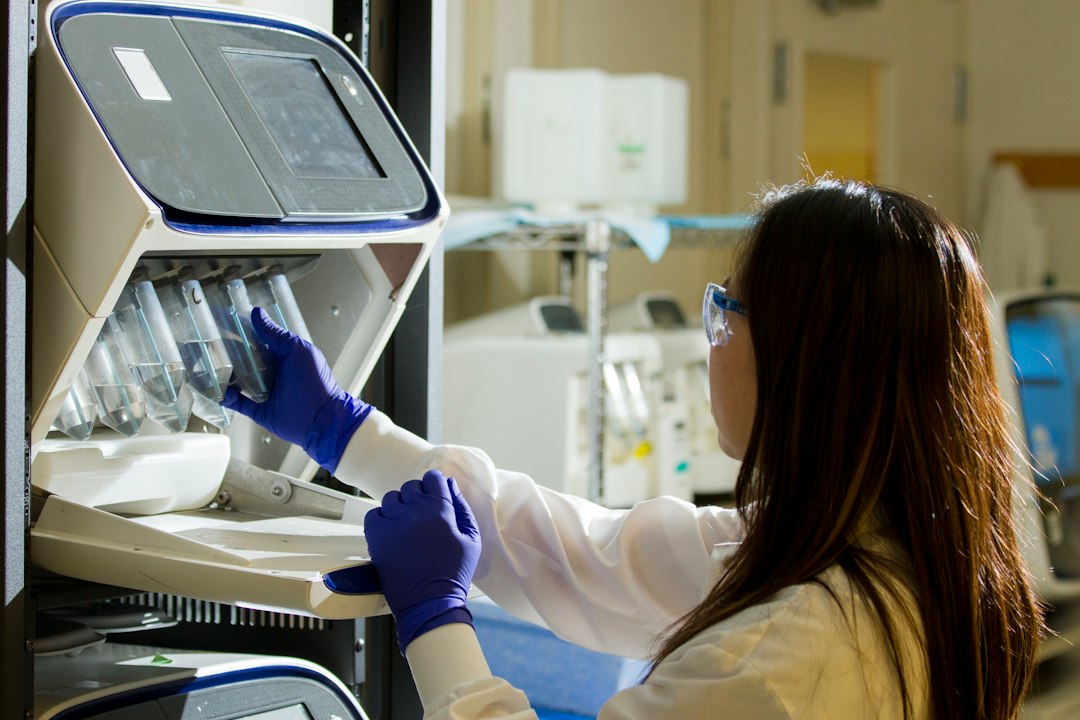
The better product is not the one with the longest feature list. It is the one that fits your lab’s work with the least friction. Compare both systems against real tasks, not sales slides.
Focus on these points:
- Workflow fit: Can it match how samples move through your lab?
- Configuration: Can trained admins change forms, rules, and reports without endless vendor work?
- Integration: Can it connect to instruments, ERP, ELN, barcode printers, and reporting tools?
- Compliance: Does it support audit trails, electronic signatures, role controls, and data review?
- User experience: Can technicians work quickly without hunting through screens?
- Reporting: Can the lab create the reports customers, auditors, and managers actually need?
- Total cost: Include licenses, validation, training, migration, support, and upgrades.
Other laboratory software choices
LabWare and STARLIMS are not the only choices. Other LIMS and lab platforms may be a better fit for smaller labs, research groups, biotech startups, or labs that need a cloud-first tool with faster deployment.
Common alternatives include:
- Thermo Scientific SampleManager for enterprise lab and process industries.
- LabVantage for regulated labs needing broad LIMS features.
- Benchling for R&D and biotech teams that need scientific data tools.
- Cloud-based LIMS platforms for smaller labs that need quicker setup.
- ELN systems for research teams focused on experiments and documentation.
Some labs need a full LIMS. Some need an ELN. Some need both. A quality control lab usually cares about samples, methods, limits, approvals, and certificates. A discovery research lab may care more about experiments, notes, protocols, and collaboration.
How to choose without wasting money
Start with a short list of real workflows. Pick five to ten. Include the annoying ones. Rush samples. Retests. Failed QC. Customer-specific reports. Sample disposal. Stability pulls. Then ask each vendor to show those exact workflows.
Use a scoring sheet. Keep it simple:
- 40% workflow fit
- 20% integration and data handling
- 15% ease of use
- 15% compliance and audit support
- 10% cost and vendor support
Do not let procurement focus only on license price. A cheap system that needs heavy custom work may cost more after year one. Also, plan data migration early. Old sample records, customer lists, specs, methods, and limits rarely move cleanly without effort.

The practical answer
Choose LabWare if your lab needs powerful configuration, multi-site control, and deep enterprise workflows. Choose STARLIMS if you want a mature LIMS with strong regulated lab features, structured processes, and broad reporting. Consider other tools if your lab is smaller, research-heavy, or needs a faster cloud rollout.
The best lab management software cuts errors, speeds review, and makes audits less painful. It should not make scientists feel like data-entry clerks. Test the daily work first. The right system will prove itself there.
