
Media Measurement: Cision vs Meltwater for Measuring Media Coverage
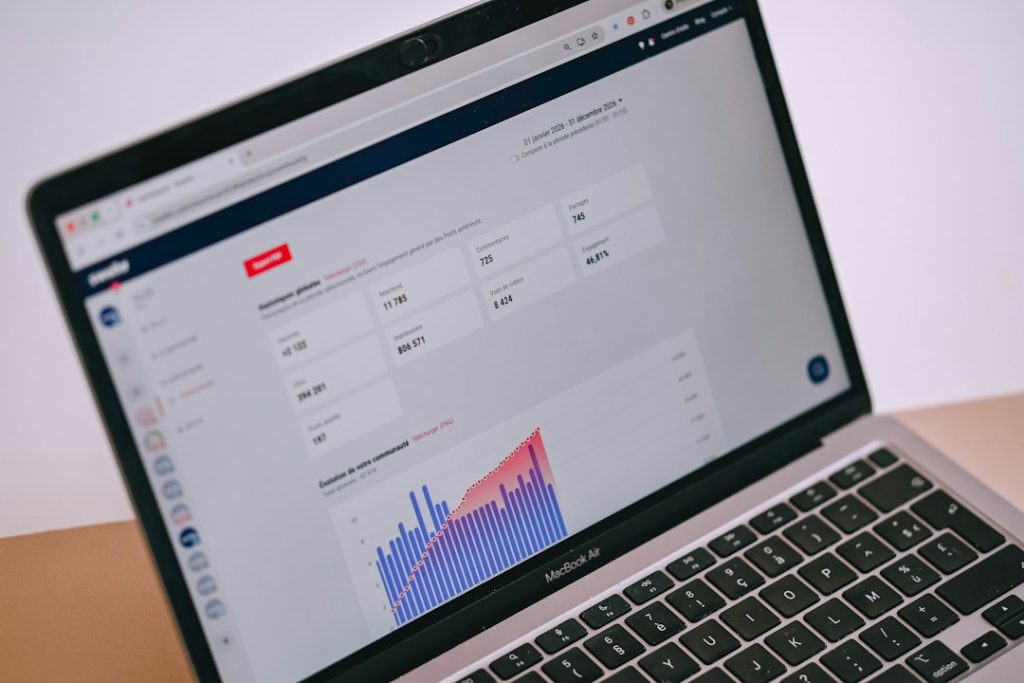
For most PR teams, Cision is the stronger fit when media measurement must connect coverage to journalist outreach, while Meltwater is often better for faster monitoring, social context, and broad visibility across channels. The better choice depends on what the team needs to prove. If the goal is board-ready PR impact, Cision has an edge. If the goal is spotting coverage quickly and tracking conversation shifts, Meltwater can feel easier to use.
TLDR: Cision suits teams that need deep media databases, campaign reporting, and earned media analysis tied to outreach. Meltwater suits teams that want quick alerts, social listening, and simple dashboards across online news and social channels. For example, a consumer brand tracking a product launch might find 1,240 mentions in Meltwater within 48 hours, then use Cision to show that 38% came from tier-one outlets and reached an estimated 12.6 million readers. The smartest choice depends on whether the team values speed or proof more.
Cision vs Meltwater: The Core Difference
Cision and Meltwater both measure media coverage. They track mentions, organize clips, monitor sentiment, and create reports. Yet they feel built for different types of PR work.
Cision is often used by agencies, enterprise comms teams, and PR departments that care about media relations as much as monitoring. Its measurement tools sit close to its journalist database, press release tools, and campaign workflow. That makes it useful when a team wants to connect outreach, pickup, outlet quality, and audience reach.
Meltwater is often praised for its monitoring speed, clean dashboards, and social listening features. It works well for teams that need to see what people are saying now, not next week. It can be easier for marketing teams, brand teams, and executives who want a quick read on coverage volume, share of voice, and topic trends.

Media Coverage Tracking
Both platforms track online news, blogs, broadcast, print, and social mentions. Coverage varies by region, language, subscription level, and source type. No tool catches everything. That annoying truth causes many PR teams to run manual checks anyway.
Cision tends to perform well when the team needs structured coverage reports. It can group mentions by campaign, outlet, journalist, geography, and media type. This helps when a communications team must report to senior leaders or clients.
Meltwater tends to shine when speed matters. Alerts can be fast. Dashboards can be built without much fuss. Teams can track spikes in mentions and see which topics are gaining attention. Honestly, it feels like Meltwater is built for teams that need answers before the next status call starts.
Measurement Metrics That Matter
Media measurement is not just clip counting. Good reporting should answer a sharper question: Did the coverage matter?
Common metrics in both Cision and Meltwater include:
- Mention volume: Total number of articles, posts, or clips.
- Reach: Estimated potential audience size.
- Sentiment: Positive, neutral, or negative tone.
- Share of voice: Brand visibility compared with competitors.
- Top outlets: Publications driving the most exposure.
- Geographic spread: Where coverage appears.
- Message pull-through: Whether key campaign messages appeared.
Cision can be stronger for polished reporting around earned media value, journalist activity, and outlet authority. Meltwater can be stronger for tracking media and social signals side by side. That matters when a story breaks on X, moves to online news, then appears in broadcast coverage later.
Reporting and Dashboards
Cision reports often feel more formal and client-ready. Agencies may like this. Corporate PR teams may also like the ability to produce board-friendly exports with campaign context. The reports can show not only what coverage appeared, but which outreach activity may have helped create it.
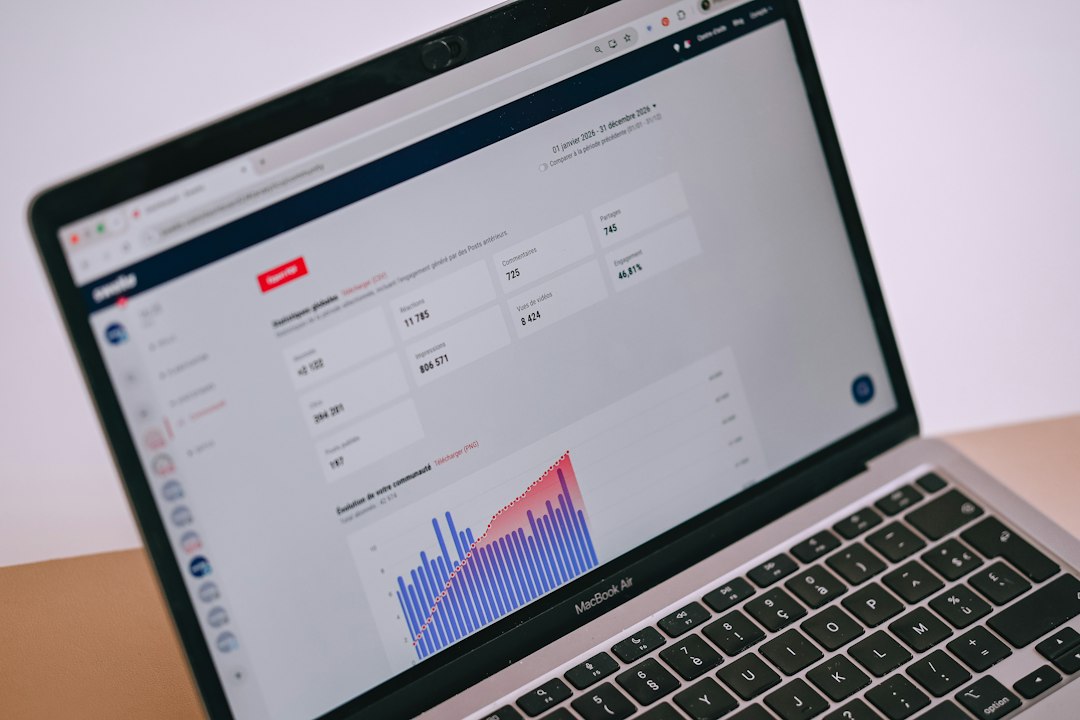
Meltwater dashboards are often easier to scan. They are useful for daily monitoring, executive snapshots, and competitive tracking. A user can set up a dashboard showing brand mentions, competitor mentions, sentiment shifts, and trending topics in one place.
The catch is that dashboard simplicity can hide messy data. Sentiment can be wrong. Duplicate coverage can slip in. Reach estimates can look more precise than they really are. This is not unique to Meltwater. Cision has the same issue. PR teams should treat automated metrics as a starting point, not final truth.
Media Database and Outreach Connection
This is where Cision has a clear advantage for many PR teams. Its media database is a major part of the product. Teams can find journalists, build media lists, send pitches, and track resulting coverage. Measurement then becomes part of the full PR workflow.
For example, an agency pitching a funding announcement can track which journalists received the pitch, which outlets published stories, and how those stories performed. That creates a cleaner link between effort and outcome.
Meltwater also offers media relations features. Yet many users view it first as a monitoring and intelligence platform. Its value is often strongest after coverage appears, or while a conversation is forming across media and social sources.
Social Listening and Brand Intelligence
Meltwater may be the better pick for teams that care about social conversation as much as news coverage. It can help identify trending themes, influencers, competitor activity, and shifts in public reaction.
Cision also supports social monitoring, but many buyers associate Meltwater more closely with broad brand intelligence. That makes it appealing for brands where PR, social, and marketing teams share one reporting system.
A retail brand, for instance, may want to track a product recall across news articles, Reddit discussions, Instagram comments, and competitor mentions. Meltwater can give a quick cross-channel view. Cision can then support deeper earned media reporting and journalist follow-up.
Accuracy, Sentiment, and Data Quality
No media measurement platform is flawless. Automated sentiment still makes strange calls. Sarcasm confuses it. Headlines can skew it. Syndicated articles can inflate mention counts. Expect to waste time cleaning reports before sending them to a CEO or client.
Cision’s strength is in structured PR measurement. Meltwater’s strength is in broad monitoring and quick analysis. In both tools, human review is still needed for high-stakes reporting.
Teams should check:
- Whether duplicate articles are removed properly.
- Whether syndicated pickup is counted once or many times.
- Whether sentiment matches human reading.
- Whether reach numbers are explained clearly.
- Whether broadcast and print coverage are included in the subscription.
Pricing and Usability
Both platforms are usually sold through custom pricing. Costs depend on users, regions, features, data sources, and contract terms. Neither is known as a cheap tool.
Cision can feel heavier during setup, especially for smaller teams. Its depth helps large organizations, but smaller teams may not need every feature. Meltwater can feel quicker to adopt, especially for dashboard-driven monitoring. Still, advanced setup can get complex once Boolean queries, exclusions, and multiple markets enter the picture.
Which Platform Should a Team Choose?
Cision is usually better when:
- The team needs strong journalist database tools.
- Coverage measurement must connect to outreach.
- Reports go to clients, executives, or boards.
- Earned media quality matters more than raw mention speed.
- The organization runs many campaigns across many teams.
Meltwater is usually better when:
- The team wants quick alerts and simple dashboards.
- Social listening is central to reporting.
- Brand, PR, and marketing teams share monitoring duties.
- Competitor tracking and topic trends matter daily.
- The team values speed and usability over deep PR workflow features.
The practical answer is simple. If the team measures PR performance, Cision may fit better. If the team measures brand attention, Meltwater may fit better. Large teams may even use both, with Meltwater for real-time monitoring and Cision for outreach-linked reporting.
FAQ
Is Cision better than Meltwater for media measurement?
Cision is often better for formal PR measurement, journalist outreach tracking, and earned media reporting. Meltwater may be better for fast monitoring, social listening, and simple dashboards.
Which tool is better for social media monitoring?
Meltwater is often stronger for social listening and brand intelligence. It gives teams a broad view of conversations across news and social channels.
Can either platform measure ROI?
Both can support ROI reporting, but neither can prove business impact alone. Teams still need website analytics, sales data, lead tracking, or brand lift studies to connect coverage to outcomes.
Are sentiment scores reliable?
They are useful, but not perfect. Human review is needed for important reports, especially during crises or sensitive campaigns.
Which is better for PR agencies?
Cision is often a strong fit for agencies because it combines media lists, outreach, monitoring, and reporting. Meltwater can also work well when agencies need fast dashboards and social insight for clients.
Should a company use both Cision and Meltwater?
Some large teams do. Meltwater can handle fast monitoring and social coverage, while Cision can support media relations and deeper earned media reports. Smaller teams usually choose one based on budget and workflow.
