
Brand Tracking Market Research: Brandwatch vs Meltwater for Brand Tracking Research
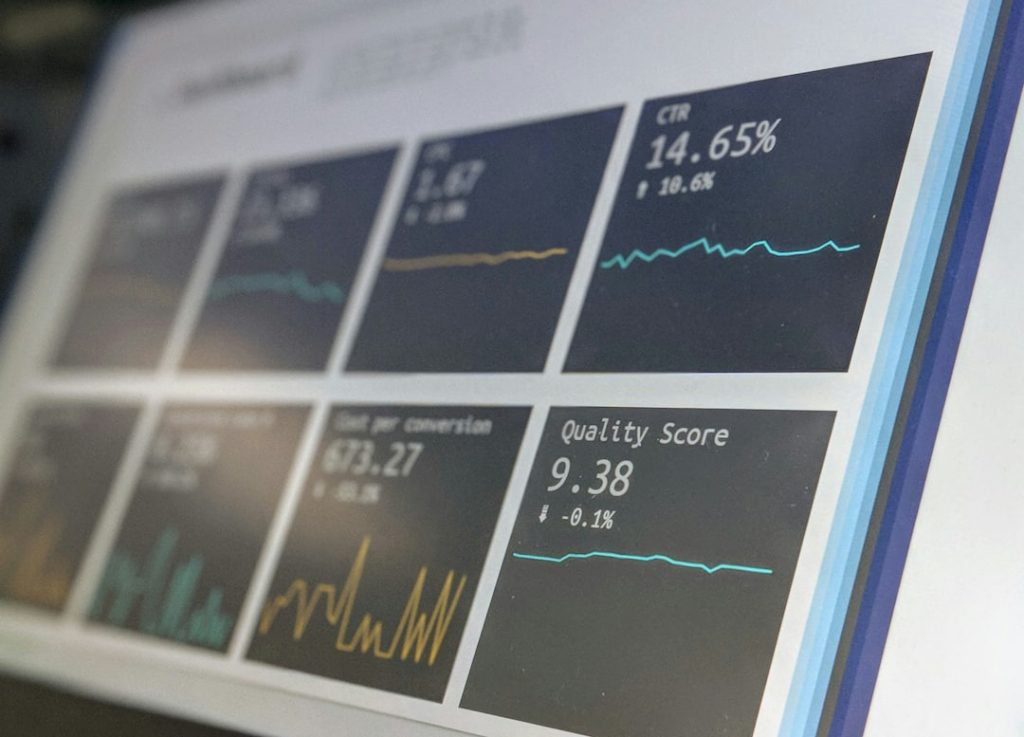
Choose Brandwatch when brand tracking research depends on deep consumer insight, flexible social data analysis, and custom reporting; choose Meltwater when your team needs broader media monitoring, PR measurement, and executive-ready coverage reports.
TLDR: Brandwatch is usually stronger for research teams that want to study sentiment, share of voice, audience segments, and conversation drivers in detail. Meltwater is often the safer fit for communications teams that need to track earned media, journalists, competitors, and campaign coverage in one place. For example, a consumer brand tracking 40,000 monthly mentions across TikTok, X, Reddit, news, and blogs may use Brandwatch to identify that negative sentiment rose from 18% to 27% after a product change, while Meltwater may show that 62% of the reach came from five trade publications. If the work is closer to market research, Brandwatch tends to win; if it is closer to PR reporting, Meltwater has a strong case.
Brand Tracking Research: What You Are Really Measuring
Brand tracking market research is not just about counting mentions. It should answer clear business questions:
- Is awareness rising or falling?
- Are people talking about the right topics?
- How does sentiment compare with competitors?
- Which channels are shaping perception?
- Are campaigns changing brand associations?
This is where the Brandwatch versus Meltwater choice gets serious. Both tools can track mentions, sentiment, influencers, media sources, and competitors. Yet they are built with different center points. Brandwatch feels more like a research and social intelligence platform. Meltwater feels more like a media intelligence and PR measurement platform.
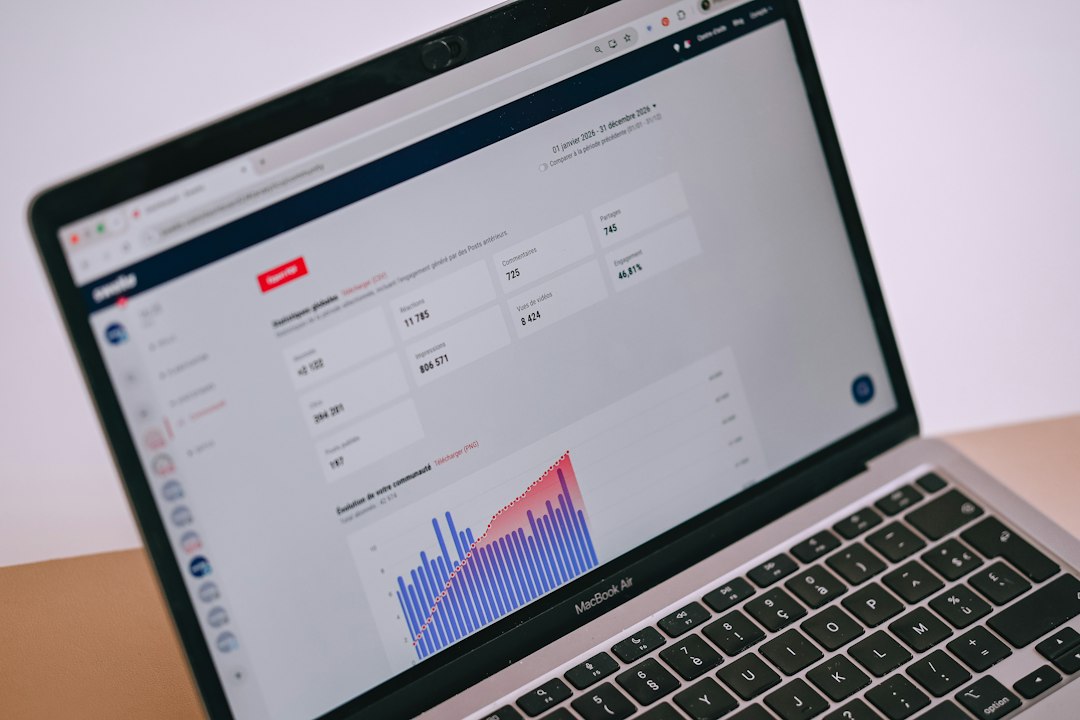
Brandwatch: Best for Deep Consumer and Social Intelligence
Brandwatch is the better choice for teams that need detailed, research-grade analysis of online conversations. It is strong when the goal is to understand not only what people are saying, but why those views are forming.
Its query building is one of its main strengths. Researchers can build complex search strings, filter noise, separate product lines, isolate competitor phrases, and study themes over time. That matters in brand tracking because raw mention volume can be misleading. A spike may come from a giveaway, a complaint thread, a news event, or bot-like amplification. Brandwatch gives analysts more room to separate those cases.
Brandwatch is also useful for:
- Sentiment trend tracking across time periods and campaigns.
- Share of voice analysis against direct and indirect competitors.
- Audience profiling based on interests, demographics, and affinities where data is available.
- Topic clustering to find the phrases and concerns linked to brand perception.
- Visual reporting for dashboards that update over time.
The catch is that Brandwatch can feel heavy at first. Query setup takes care. A bad query can inflate mention counts or miss important conversations. Expect to spend real time cleaning search terms, excluding irrelevant phrases, and checking samples. That extra work is annoying, but it often leads to better research quality.
Meltwater: Best for PR, Media Monitoring, and Coverage Reporting
Meltwater is often the better fit when brand tracking must include news, broadcast, online media, journalist activity, and PR performance. It is widely used by communications teams because it brings monitoring, outreach, and reporting into one system.
For brand tracking, Meltwater performs well when the key questions are about media presence. Which publications covered the brand? Which stories gained reach? Which journalists are shaping the conversation? How did competitor coverage compare during a launch window?
Meltwater is useful for:
- Earned media tracking across news, blogs, broadcast, and social sources.
- PR campaign measurement with reach, volume, and coverage reporting.
- Journalist and media database access for outreach planning.
- Competitive media benchmarking by coverage volume and visibility.
- Executive summaries that are easier for non-research teams to read.
Honestly, it feels like Meltwater is built for teams that need answers by Friday, not a three-week research build. That can be a strength. It can also be a limit. If your analyst wants very granular control over social conversation coding and topic modeling, Meltwater may feel less flexible than Brandwatch.
Data Coverage and Source Quality
Both platforms cover major social and online sources, but access can vary by region, network rules, and contract level. This matters because brand tracking depends on consistency. If source access changes, trend lines may shift for reasons that have nothing to do with brand health.
Brandwatch is especially strong for social listening and consumer conversation analysis. It is well suited for brands that care about Reddit discussions, social posts, product reactions, campaign chatter, and emerging topics. It can help research teams find early warning signs before they hit mainstream media.
Meltwater is strong across editorial media and PR-related sources. It is a good choice for brands that track press coverage, corporate reputation, executive visibility, and issues management. For regulated sectors such as finance, health, or energy, media context can matter more than social volume alone.
Sentiment Analysis: Useful, but Never Perfect
Both Brandwatch and Meltwater offer sentiment analysis. Neither should be treated as fully reliable without checks. Sarcasm, slang, mixed opinions, and local language quirks can confuse automated scoring.
For example, a comment like “Great, another app update that broke everything” may be scored incorrectly if the system reads “great” too simply. This is not rare. It drives me crazy that sentiment charts are still presented as clean truth in some reports, when they often need human review.
Brandwatch gives research teams more control to inspect, adjust, and segment results. Meltwater gives teams a more accessible readout for media and PR reporting. For formal brand tracking, the best practice is to combine automated sentiment with sampled manual validation. Even checking 300 mentions per month can improve confidence in the trend.
Reporting and Dashboards
Brandwatch dashboards can be highly tailored. They suit analysts who want to track brand equity signals over time. These may include awareness proxies, emotion, product themes, competitor comparisons, and campaign lift.
Meltwater reports are often more practical for leadership and communications teams. They are clean, fast, and oriented around outputs such as coverage volume, reach, top stories, key journalists, and competitor visibility.
A useful reporting setup might look like this:
- Weekly: mention volume, sentiment, top issues, and viral posts.
- Monthly: share of voice, competitor comparison, audience themes, and channel split.
- Quarterly: brand perception shifts, campaign impact, media quality, and risk signals.
Pricing and Team Fit
Pricing for both platforms is usually quote-based. Costs depend on users, markets, data access, archives, reporting needs, and add-ons. Neither tool should be judged only by license price. The real cost includes setup time, analyst skill, training, and the effort needed to maintain clean tracking.
Brandwatch usually fits research, insights, social intelligence, and strategy teams. It works best when someone owns the methodology and keeps queries clean.
Meltwater usually fits PR, corporate communications, public affairs, and media relations teams. It works best when speed, media visibility, and stakeholder reporting are the main needs.
Which Platform Should You Choose?
Choose Brandwatch if your brand tracking program needs:
- Deep social listening and consumer insight.
- Custom query logic and careful segmentation.
- Detailed sentiment and topic analysis.
- Long-term brand health tracking.
- Research support for product, marketing, and strategy teams.
Choose Meltwater if your brand tracking program needs:
- Strong earned media monitoring.
- PR campaign measurement.
- Journalist and publication tracking.
- Fast executive reporting.
- Coverage analysis across news and social channels.
For many mid-sized and enterprise brands, the best answer may be role-based. Use Brandwatch for deep consumer and social research. Use Meltwater for PR intelligence and media reporting. If the budget only allows one, let the main business question decide. If you need to understand consumers, pick Brandwatch. If you need to measure media impact, pick Meltwater.
Final recommendation: Brandwatch is the stronger brand tracking research tool for insight depth. Meltwater is the stronger choice for communications teams that need fast, credible media intelligence. The right platform is the one that matches how your organization defines brand health.
