
Instagram’s Stories Ads Feature: How Instagram Stories Ads Work, How Businesses Use Them, Creative Formats, Targeting, and Campaign Optimization
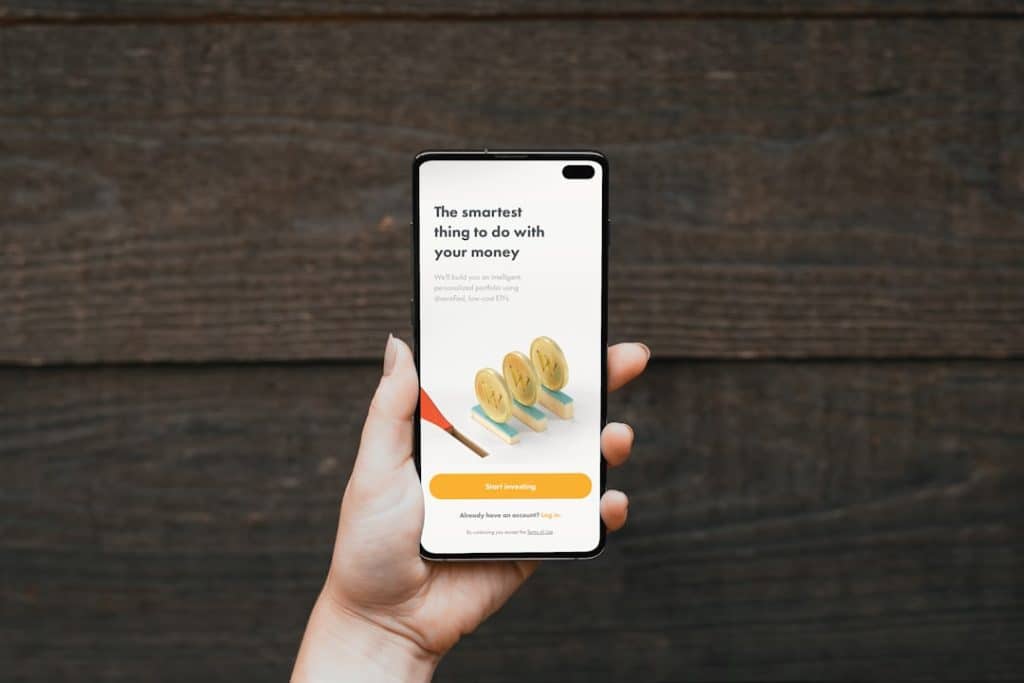
Instagram Stories ads help businesses reach people in a full-screen, vertical format that feels close to the way users already watch Stories. They appear between organic Stories and can support awareness, traffic, leads, app installs, catalog sales, and direct purchases. The best campaigns keep the message simple, show the product early, and use bold motion before the viewer taps away.
TLDR: Instagram Stories ads are vertical photo, video, carousel, or interactive ads shown between Stories. A local fitness studio, for example, could run a 15-second video ad to women aged 25-40 within 10 miles and track sign-ups from a “Book Now” button. If 20,000 people see the ad, a 1.2% swipe or tap-through rate could send 240 visitors to a landing page. Strong creative and tight targeting usually matter more than a huge budget.
How Instagram Stories Ads Work
Instagram Stories ads run through Meta Ads Manager. They are placed inside the Stories feed, usually between posts from friends, creators, and brands. The ad takes over the full phone screen, which gives the format one major advantage: there are fewer distractions.
Most Stories ads include a visual, short copy, a brand name, and a call-to-action button. Common buttons include Shop Now, Learn More, Sign Up, Send Message, and Book Now. Depending on the campaign goal, the user may land on a product page, lead form, app store listing, Instagram profile, or direct message thread.
The ad format is built for speed. Viewers usually decide in the first second whether to keep watching. That makes slow intros a costly mistake. A product, face, offer, or result should appear almost at once.
How Businesses Use Stories Ads
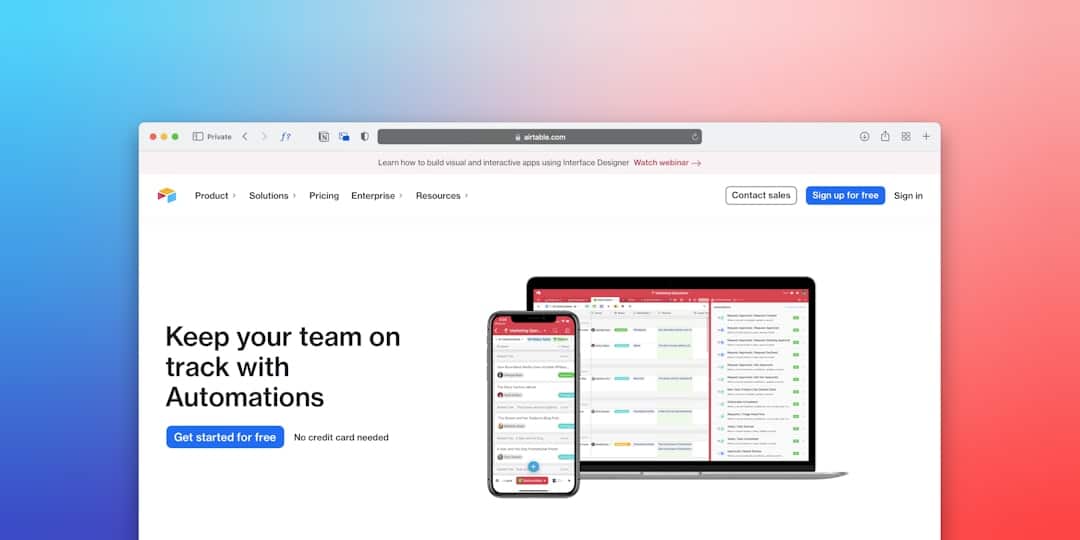
Businesses use Instagram Stories ads for both quick sales and long-term brand growth. A direct-to-consumer skincare brand may show a before-and-after clip. A restaurant may promote a weekend menu. A software company may use a short demo to collect trial sign-ups.
The most common uses include:
- Product launches: Brands tease a new item, show it in use, and send traffic to a launch page.
- Limited-time offers: Retailers promote flash sales, discount codes, or seasonal bundles.
- Lead generation: Service businesses collect names, emails, and phone numbers through instant forms.
- Retargeting: Advertisers reach people who visited a site, watched a video, or added items to a cart.
- Brand awareness: New brands use short, memorable visuals to build recognition.
The catch is that Stories ads can burn through weak creative fast. If the first version does not connect, performance can drop within days. It drives some teams crazy that a small text change or a different first frame can shift results more than a full audience rebuild.
Creative Formats That Perform Well
Instagram Stories ads support several creative formats. Each fits a different goal, but all should be built for the vertical 9:16 screen.
Single Image Ads
Single image ads are simple and fast to produce. They work well for clear offers, bold product shots, event announcements, and local promotions. The image should not feel like a crowded poster. One point is enough.
Video Ads
Video is often the strongest Stories format. It can show motion, texture, scale, and emotion. A good video opens with action. For example, a coffee brand may show milk pouring over cold brew in the first half-second, then add the offer.
Carousel Stories Ads
Carousel ads let brands show several cards within one ad. A fashion retailer can show a full outfit across three frames. A real estate agent can show the exterior, kitchen, and price range. Each card should still make sense on its own.
Interactive Elements
Polls, stickers, countdowns, and question-style creative can boost engagement. These tools make the ad feel less passive. A beauty brand might ask, “Which shade fits Friday night?” and then send viewers to the product page.

Targeting Options
Instagram Stories ads use Meta’s targeting system. Advertisers can define audiences by location, age, gender, language, interests, behaviors, and connections. They can also use custom audiences based on website visits, customer lists, app activity, video views, or Instagram engagement.
Three audience types matter most:
- Core audiences: These are built from demographics, interests, and behaviors. They are useful for reaching cold prospects.
- Custom audiences: These include people who already interacted with a business. They often convert at a higher rate.
- Lookalike audiences: These are modeled from valuable customer lists or event data. They help businesses find people similar to existing buyers.
Retargeting is especially useful in Stories. A user who viewed a product but did not buy can later see a short ad with a review, discount, or free shipping message. That second touch often feels more relevant than a broad first impression.
Campaign Optimization
Optimization starts before the ad goes live. The campaign objective should match the desired action. If a business wants purchases, it should optimize for purchases when enough conversion data exists. If it wants leads, it should use lead forms or a landing page built for mobile.
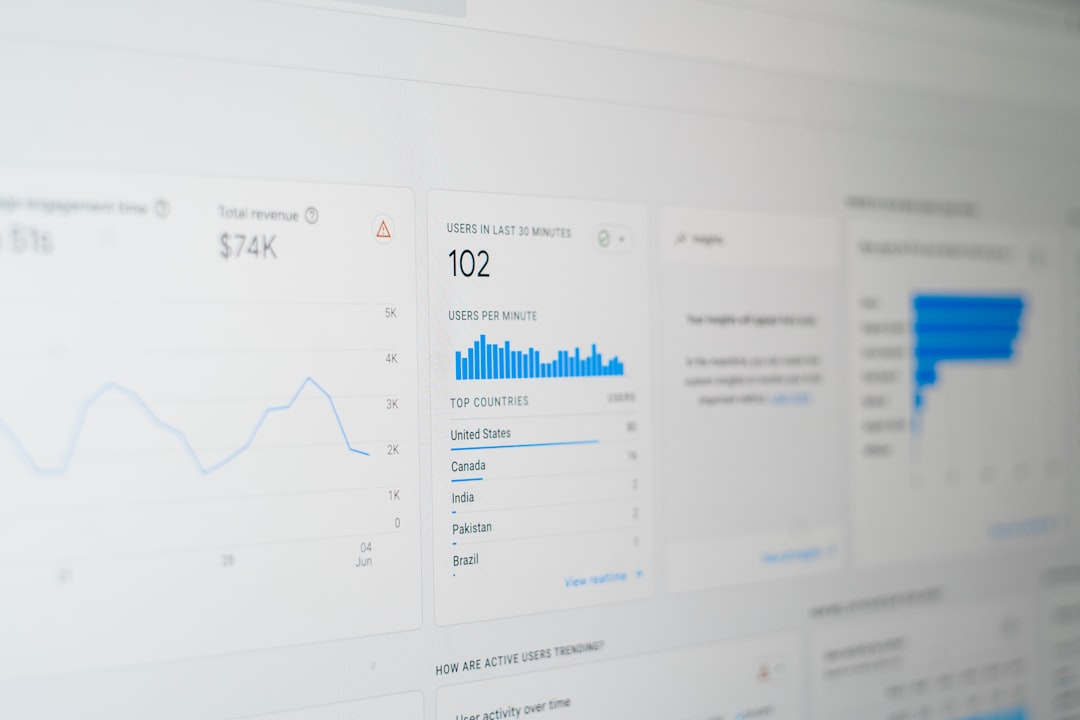
Key metrics include:
- Impressions: How often the ad was shown.
- Reach: How many people saw it.
- Thumb-stop rate: How many people paused long enough to watch.
- Click-through rate: How many tapped the call-to-action.
- Cost per result: How much each lead, purchase, or install cost.
- Return on ad spend: Revenue compared with ad cost.
Honestly, it feels like Meta Ads Manager often hides the simple answer behind too many tabs. A basic creative test can take longer than expected because placements, breakdowns, and event settings sit in separate panels. Still, regular testing is worth it.
Businesses usually test these items first:
- The opening frame: Face, product, price, or result.
- The offer: Discount, free trial, bundle, guide, or bonus.
- The call to action: Shop, book, message, download, or subscribe.
- The audience: Cold interest group, lookalike, or retargeting pool.
- The landing page: Product page, form, quiz, or chat flow.
A strong testing plan keeps changes small. If the business changes the video, offer, audience, and page at the same time, the data becomes muddy. One change at a time gives a cleaner answer.
Best Practices for Better Results
Strong Stories ads share a few traits. They are clear, quick, and made for phones. They do not rely on tiny text or long explanations. They also match the landing experience. A playful ad that sends users to a slow, dull page can waste the click.
- Use vertical creative: Cropped horizontal videos often look lazy.
- Show the brand early: The logo or product should appear before the viewer skips.
- Add captions: Many users watch with sound off.
- Keep copy short: One sharp line beats a paragraph.
- Refresh creative often: Ad fatigue can raise costs after repeated exposure.
- Match message to audience stage: Cold users need context. Warm users may need proof or urgency.
Common Mistakes
Many advertisers treat Stories like a smaller TV commercial. That rarely works. The format rewards native, fast-moving content. Polished creative can perform well, but it should not feel stiff.
Other common issues include weak tracking, broad goals, slow pages, and unclear offers. If a campaign gets clicks but no sales, the problem may not be the ad. The landing page may load slowly, ask for too much, or bury the purchase button.
FAQ
What are Instagram Stories ads?
They are paid, full-screen ads that appear between Instagram Stories. They can use images, videos, carousels, and interactive features.
How long should a Stories ad be?
Shorter is usually better. Many effective video ads run between 6 and 15 seconds, with the main message shown right away.
Are Stories ads good for small businesses?
Yes. Local shops, coaches, restaurants, clinics, and service providers can use location targeting and modest budgets to reach nearby customers.
What budget is needed to start?
A business can start with a small daily budget, such as $10 to $30, for testing. Larger budgets help gather data faster, but poor creative can still waste money.
What makes a Stories ad perform better?
A strong first second, clear offer, vertical design, captions, and a relevant landing page usually improve results.
Can Stories ads drive direct sales?
Yes. Ecommerce brands often use product tags, catalog ads, retargeting, and “Shop Now” buttons to move users from discovery to purchase.
