
15 Top Advertising Platforms for Maximizing Your Marketing ROI
The best advertising platform for ROI is the one that matches buyer intent, audience quality, and your sales cycle, not the one with the loudest reputation. Search ads usually win when customers are ready to buy. Social ads often win when you need demand. Retail media is hard to beat when shoppers already have cards in hand.
TLDR: For most brands, start with Google Ads, Meta Ads, and one platform tied closely to your niche, such as Amazon Ads for ecommerce or LinkedIn Ads for B2B. A small skincare store, for example, might spend $3,000 monthly across Google Shopping, Meta retargeting, and TikTok prospecting, then shift budget toward the channel with a cost per purchase under $25. If one platform produces a 4.2x return while another sits at 1.6x, cut waste fast and reassign spend weekly.
Below are 15 top advertising platforms worth testing if your goal is better marketing ROI. Each one has a different strength, cost profile, and learning curve.
1. Google Ads
Best for: search intent, local services, ecommerce, lead generation.
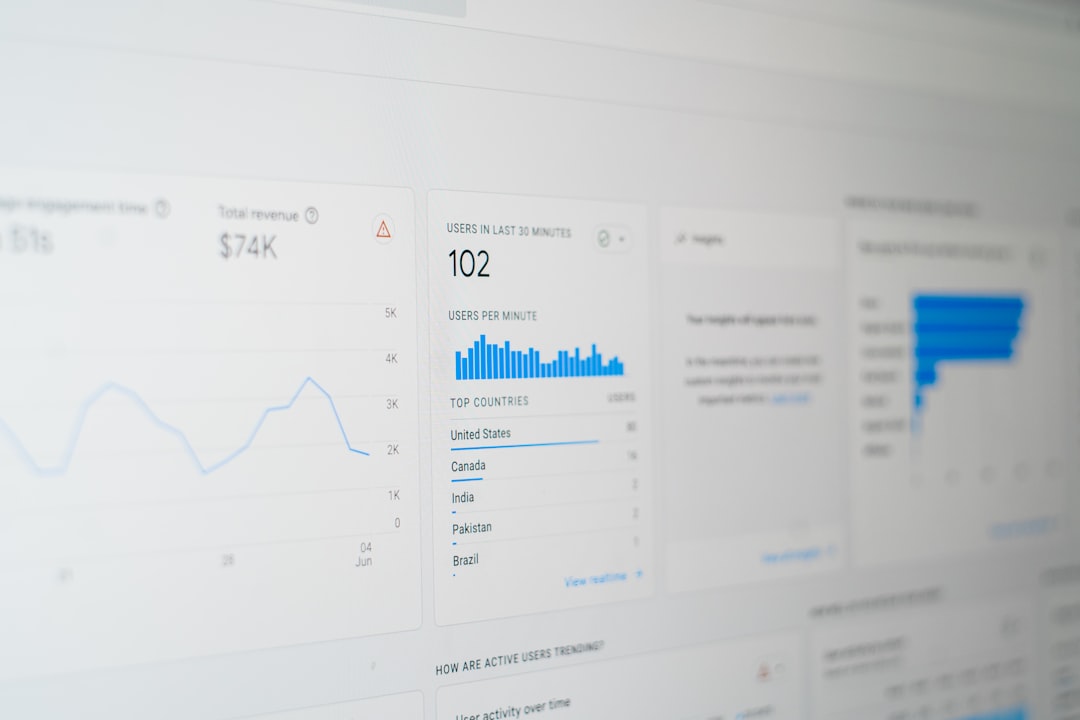
Google Ads remains one of the strongest ROI platforms because users often search with a clear goal. Someone typing “emergency plumber near me” is not casually browsing. They need help now. Use Search, Shopping, Performance Max, and YouTube together, but watch automation closely. The reporting can feel oddly scattered, and simple answers sometimes take too many clicks to find.
2. Meta Ads
Best for: visual products, retargeting, audience testing, impulse purchases.
Meta Ads covers Facebook, Instagram, Messenger, and Audience Network. It is powerful for building demand and reminding shoppers to come back. Creative testing matters more than tiny bid tweaks. Try short videos, customer quotes, carousel ads, and product demos. If your ads go stale, performance can drop fast.
3. Amazon Ads
Best for: brands selling physical products on Amazon.
Amazon Ads puts your product in front of shoppers already comparing options. Sponsored Products, Sponsored Brands, and display ads can lift visibility and sales rank. The platform works well because the buying path is short. The catch is that competition can get expensive in crowded categories, especially supplements, beauty, electronics, and home goods.
4. TikTok Ads
Best for: consumer brands, creators, apps, fashion, beauty, food, and lifestyle products.
TikTok can create demand at speed. Strong ads feel native, not polished to death. A simple creator video showing a problem and a product can beat a studio ad. Test hooks in the first two seconds. ROI improves when you pair TikTok prospecting with retargeting on Meta or Google.
5. LinkedIn Ads
Best for: B2B SaaS, consulting, hiring, enterprise services, professional education.
LinkedIn Ads can be pricey, but the targeting is hard to match for job titles, industries, company size, and seniority. It works best for high-value offers with long sales cycles. Think demo requests, webinars, reports, and account-based campaigns. Do not judge it by cheap clicks. Judge it by lead quality and pipeline value.
6. Microsoft Advertising
Best for: search ads with lower competition.
Microsoft Advertising reaches Bing, Yahoo, AOL, and partner placements. It often has cheaper CPCs than Google, especially in finance, legal, software, and older buyer segments. Importing campaigns from Google is simple. Still, review every setting after import. Small mismatches can waste budget quietly.
7. YouTube Ads
Best for: education, product demos, brand recall, retargeting.
YouTube is ideal when buyers need to see, hear, or understand before they act. It works for software walkthroughs, fitness programs, tools, courses, and high-consideration products. Use skippable ads, bumper ads, and Shorts placements. Keep early branding clear, because many users skip fast.
8. Pinterest Ads
Best for: home decor, fashion, weddings, recipes, crafts, travel, and planning-heavy purchases.
Pinterest users save ideas with future intent. That makes it useful for brands with visual products and longer consideration windows. Promoted Pins can keep producing value after the first click because users revisit saved content. Track assisted conversions, not only last-click sales.
9. Reddit Ads
Best for: niche communities, tech products, gaming, finance, hobbies, and honest feedback.
Reddit Ads can be surprisingly effective when your message fits the community. Users dislike bland corporate copy. Be specific. Speak like a real person. Promote useful content, comparisons, trials, or product launches. Expect blunt comments if the campaign feels lazy. That can sting, but it also teaches you fast.
10. X Ads
Best for: news, entertainment, crypto, sports, politics, tech, and event-driven campaigns.
X Ads can work well around live events and trending conversations. It is less predictable than search, but strong timing can lower costs and raise engagement. Use it for announcements, thought leadership, and retargeting site visitors. Monitor placement quality and comments closely.
11. Snapchat Ads
Best for: Gen Z audiences, local offers, entertainment, fashion, beauty, and mobile apps.
Snapchat Ads favor quick, vertical creative. AR lenses and filters can boost interaction, especially for products users want to try visually. The platform is not right for every brand, but it can deliver efficient reach among younger users. Keep landing pages mobile-first or your budget will suffer.
12. Spotify Ads
Best for: audio branding, local businesses, events, podcasts, and lifestyle campaigns.
Spotify Ads give access to users during workouts, commutes, study sessions, and downtime. Audio ads can build recall when visuals are not possible. Pair them with clickable companion banners where available. Use short scripts and clear offers. A weak voiceover can make even a great promotion sound forgettable.
13. Apple Search Ads
Best for: iOS app installs.
Apple Search Ads appear inside the App Store, where users already search for apps. That buying intent is valuable. Campaigns can target keywords, user types, locations, and devices. For app marketers, this platform often produces cleaner acquisition data than many social channels.
14. Walmart Connect
Best for: retail brands selling through Walmart.
Walmart Connect gives access to shoppers across Walmart.com, app placements, in-store signals, and partner inventory. It is useful for consumer packaged goods, home goods, electronics, groceries, and seasonal items. Brands can reach buyers close to purchase, similar to Amazon. ROI improves when ads match inventory, pricing, and promotions.
15. Taboola
Best for: native ads, content promotion, publishers, finance, health, and lead generation funnels.
Taboola places native ads across publisher sites. It works best when you use strong headlines and content that warms up readers before asking for a conversion. Honestly, it feels like you can burn money quickly if your landing page is thin. Pre-sell pages, quizzes, and educational articles tend to do better than cold product pages.
How to Choose the Right Mix
Pick platforms based on intent, audience, and proof. If people already search for your product, fund Google or Microsoft first. If they need inspiration, use Meta, TikTok, Pinterest, or YouTube. If you sell on marketplaces, prioritize Amazon or Walmart Connect.
- For ecommerce: Google Shopping, Meta Ads, Amazon Ads, TikTok Ads.
- For B2B: LinkedIn Ads, Google Ads, YouTube Ads, Reddit Ads.
- For apps: Apple Search Ads, TikTok Ads, Meta Ads, Snapchat Ads.
- For local services: Google Ads, Microsoft Advertising, Meta Ads.
- For brand awareness: YouTube, Spotify, TikTok, Pinterest.
ROI Metrics That Actually Matter
Clicks are useful, but they are not the finish line. Track cost per acquisition, return on ad spend, lead-to-sale rate, average order value, and customer lifetime value. A $90 lead can be cheap if one in four becomes a $2,000 customer. A $5 lead can be terrible if no one buys.
Set a testing budget before scaling. A practical starting point is to spend enough for at least 50 to 100 meaningful clicks per ad set or keyword group. For ecommerce, aim for enough spend to generate several purchases before making hard calls. Killing campaigns after three clicks is guesswork, not optimization.
Final Takeaway
No single ad platform wins every time. The smartest setup usually combines high-intent search, social discovery, and retargeting. Start narrow, measure weekly, and move money toward proven returns. That is how advertising stops feeling like a gamble and starts acting like a growth system.
