
What Is P.O.P.P.? Meaning, Business Uses, and Common Definitions Explained
P.O.P.P. is an acronym that can mean different things depending on the industry, document, or team using it. In business, it most often appears in conversations about retail marketing, operations, purchasing, payments, and internal processes. Because it is not a single universal term, its meaning should always be confirmed from the context in which it appears.
TLDR: P.O.P.P. commonly stands for Point of Purchase Promotion, especially in retail and marketing, where it refers to displays, signs, offers, or campaigns placed near the buying decision. For example, a supermarket may place a discounted snack display near the checkout and increase impulse purchases by 15% to 30%. In other business settings, P.O.P.P. may also refer to purchasing, payment, people, or process-related systems.
What Does P.O.P.P. Mean?
The meaning of P.O.P.P. depends heavily on how it is being used. In many commercial settings, the most practical definition is Point of Purchase Promotion. This describes marketing materials or sales tactics used at the exact location where a customer is about to make a purchase.
For example, a cosmetics brand may place a small counter display beside a cashier, offering a “buy one, get one 50% off” deal. That display is a point of purchase promotion because it influences the shopper at the final stage of the buying journey.
However, P.O.P.P. can also have other meanings in corporate, administrative, or operational environments. A finance department might use it to describe a Purchase Order Payment Process, while an internal strategy team may define it as a framework involving People, Operations, Process, and Performance.
Most Common Business Definition: Point of Purchase Promotion
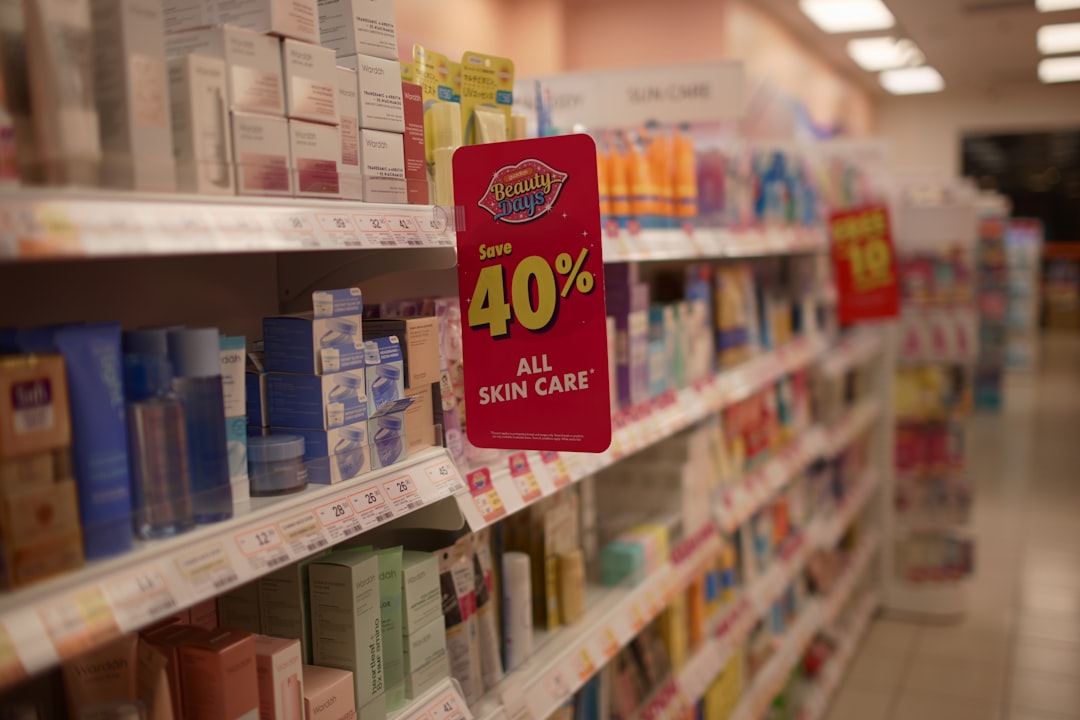
In retail and marketing, Point of Purchase Promotion is the most widely understood use of P.O.P.P. It refers to promotional activity placed close to the product or payment area. The goal is simple: encourage customers to buy immediately.
These promotions work because they appear when the shopper is already in a purchasing mindset. A customer may enter a store planning to buy only groceries, but a well-placed discount display for batteries, gum, or seasonal products can trigger an extra purchase.
Common examples of point of purchase promotions include:
- Checkout displays featuring small, low-cost items.
- Endcap displays at the end of store aisles.
- Limited-time discount signs near products.
- Free sample stations in supermarkets or fairs.
- QR codes that lead to product videos, coupons, or loyalty programs.
- Bundle offers such as “buy two, save 20%.”
Why P.O.P.P. Matters in Retail
Point of purchase promotion matters because many buying decisions are made inside the store or during the final stage of online checkout. Even when a customer researches a product beforehand, the final offer, display, or deal can influence what gets purchased.
For retailers, P.O.P.P. is useful because it can increase average order value, improve product visibility, and help clear seasonal or slow-moving inventory. For brands, it provides a chance to stand out from competitors on crowded shelves.
A small business, for instance, may add a countertop display of travel-size skincare products near the register. If the store serves 500 customers per week and only 8% buy one extra $6 item, that display can generate an additional $240 per week, or over $12,000 per year before costs.
Other Common Definitions of P.O.P.P.
Although Point of Purchase Promotion is common, P.O.P.P. can mean several other things. The correct definition depends on the industry, department, and document.
1. Purchase Order Payment Process
In procurement or accounting, P.O.P.P. may refer to the Purchase Order Payment Process. This describes the steps a company follows from issuing a purchase order to paying the supplier.
This process usually includes:
- Creating a purchase request.
- Approving the purchase order.
- Receiving goods or services.
- Matching the invoice to the order.
- Releasing payment to the vendor.
This version of P.O.P.P. is important because it helps prevent duplicate payments, unauthorized spending, and accounting errors.
2. People, Operations, Process, Performance
Some organizations use P.O.P.P. as an internal management framework meaning People, Operations, Process, and Performance. In this case, it is used to evaluate how well a business function is working.
For example, a company reviewing its customer support department may examine whether the right people are in place, whether operations are efficient, whether processes are documented, and whether performance goals are being met.

3. Point of Purchase Program
P.O.P.P. may also stand for Point of Purchase Program. This is similar to point of purchase promotion, but it usually refers to a broader, structured campaign rather than a single display or offer.
A beverage company might create a point of purchase program for a summer campaign, including branded refrigerators, shelf signage, coupon cards, retailer incentives, and in-store sampling events.
4. Proof of Product Placement
In advertising or retail compliance, P.O.P.P. may be used informally to mean Proof of Product Placement. This refers to evidence that a product, display, or promotional material was actually placed where it was supposed to be.
Sales representatives may submit photos, timestamps, or store reports to prove that a promotional display was installed correctly.
How Businesses Use P.O.P.P.
Businesses use P.O.P.P. in several practical ways. In marketing, it supports sales growth by influencing buying behavior. In finance, it improves control over purchasing and payment workflows. In operations, it may serve as a framework for evaluating business performance.
When used as Point of Purchase Promotion, it helps businesses:
- Increase impulse purchases.
- Promote new or seasonal products.
- Improve in-store brand visibility.
- Encourage customers to try complementary products.
- Support special campaigns or product launches.
When used in procurement or operations, P.O.P.P. helps companies reduce confusion, standardize workflows, and measure results more clearly.
How to Identify the Correct Meaning
Because P.O.P.P. has multiple meanings, businesses should not assume one definition applies everywhere. The best way to understand it is to look at the surrounding context.
If the acronym appears in a retail plan, campaign brief, or merchandising document, it probably means Point of Purchase Promotion or Point of Purchase Program. If it appears in an invoice, finance policy, or supplier document, it may mean Purchase Order Payment Process. If it appears in a management presentation, it may refer to a people and process framework.
Clear communication is essential. Companies should define acronyms the first time they appear in reports, training materials, or contracts.

Conclusion
P.O.P.P. is a flexible acronym with several business meanings, but its most common marketing use is Point of Purchase Promotion. In that sense, it describes promotions placed where customers make buying decisions, such as checkout counters, product shelves, and online cart pages.
Still, the term may also refer to payment processes, operational frameworks, or product placement proof. For that reason, the safest approach is to define P.O.P.P. clearly within each business context.
FAQ
What does P.O.P.P. stand for?
P.O.P.P. can stand for several things, but in retail it commonly means Point of Purchase Promotion. In other settings, it may mean Purchase Order Payment Process, Point of Purchase Program, or another internal business term.
Is P.O.P.P. the same as P.O.P.?
Not always. P.O.P. often means Point of Purchase, while P.O.P.P. usually adds another word such as Promotion, Program, or Process.
Why is Point of Purchase Promotion important?
It is important because it influences customers at the moment they are ready to buy. This can increase impulse purchases, boost sales, and improve product visibility.
Where is P.O.P.P. used?
It is used in retail stores, supermarkets, trade shows, ecommerce checkout pages, procurement departments, finance teams, and operations planning.
How can a company avoid confusion with P.O.P.P.?
A company should define the acronym clearly the first time it appears in any document, campaign plan, contract, or internal report.
