
Text-to-Speech Tools Explained: The Leading Platforms for AI Voice Generation
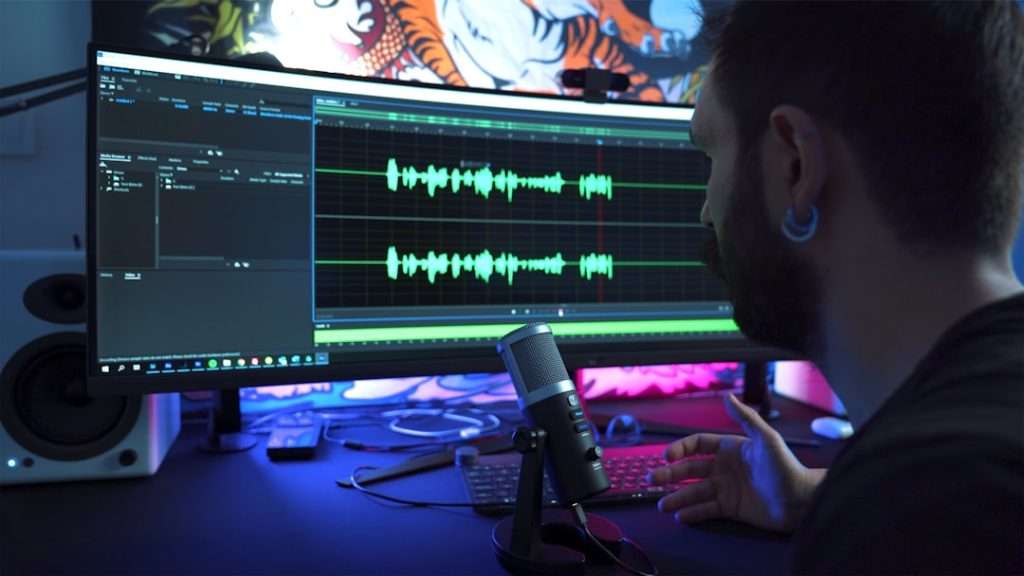
Artificial intelligence has changed the way voices are created, edited, and delivered. What once required a professional recording studio, voice actor, sound engineer, and multiple revision cycles can now be produced in minutes using text-to-speech tools. These platforms transform written text into spoken audio, often with remarkably realistic emotion, pacing, accents, and tone. From YouTube narration and podcast production to accessibility features, e-learning, audiobooks, games, customer support, and multilingual marketing, AI voice generation is becoming a practical tool for creators and businesses of every size.
TLDR: Text-to-speech tools use AI to turn written content into natural-sounding speech, saving time and production costs. The best platforms offer realistic voices, multilingual support, voice cloning, editing controls, and commercial licensing. Popular options include ElevenLabs, PlayHT, Murf AI, WellSaid Labs, Amazon Polly, Google Cloud Text-to-Speech, Microsoft Azure AI Speech, Speechify, LOVO, and Synthesia. Choosing the right tool depends on your use case, budget, voice quality needs, and how much control you want over the final audio.
What Are Text-to-Speech Tools?
Text-to-speech, often shortened to TTS, refers to software that converts written text into spoken audio. Early TTS systems sounded robotic and flat, but modern AI voice generators use deep learning and neural networks to create voices that can sound warm, expressive, and surprisingly human. Instead of simply reading words aloud, advanced systems analyze sentence structure, punctuation, rhythm, and context to produce more natural delivery.
Many platforms now offer tools for adjusting speed, pitch, emphasis, pauses, pronunciation, emotion, and speaking style. This means a single script can be transformed into a polished explainer video narration, a dramatic audiobook passage, a calm meditation guide, or a friendly customer service message.

Why AI Voice Generation Has Become So Popular
The rapid growth of AI voice tools is not just about novelty. These platforms solve real production problems. Recording professional voiceovers can be expensive, especially when multiple languages, frequent edits, or fast turnaround times are required. With TTS software, users can update a script, regenerate the audio, and export a new file almost instantly.
There is also a major accessibility benefit. Text-to-speech helps people with visual impairments, reading difficulties, language learning needs, or multitasking lifestyles access information in audio form. For businesses, it enables scalable content personalization, automated phone systems, product tutorials, training modules, and global marketing campaigns.
Key Features to Look For
Not all AI voice platforms are built the same. Some are designed for developers, while others are built for marketers, educators, video creators, or large enterprises. When comparing tools, consider the following features:
- Voice realism: The best platforms deliver voices with natural breathing, pacing, emphasis, and emotional range.
- Voice library: A wide selection of ages, accents, tones, and languages helps match the voice to your brand or project.
- Customization controls: Look for options to adjust speed, pitch, pauses, pronunciation, and vocal style.
- Voice cloning: Some tools can create a digital version of a real voice with proper consent and training data.
- Multilingual support: Essential for global businesses, localization, and international content creators.
- Commercial rights: Always check licensing if you plan to use the audio in ads, courses, apps, or monetized videos.
- API access: Developers may need integration with apps, websites, IVR systems, or automated workflows.
- Export formats: Common options include MP3, WAV, and sometimes video-ready audio formats.
ElevenLabs
ElevenLabs is one of the most talked-about AI voice generation platforms because of its highly realistic voice quality. It is especially popular among creators producing audiobooks, story narration, character dialogue, and video voiceovers. The voices can sound expressive, emotional, and conversational, which makes the platform stand out from more traditional TTS services.
One of its most notable features is voice cloning, allowing users to create custom voices when they have the appropriate permissions. It also supports multiple languages and offers controls for stability and style, giving creators flexibility in how expressive or consistent a voice sounds. For projects that need emotional nuance, ElevenLabs is often one of the first platforms people consider.
PlayHT
PlayHT is another strong platform for realistic AI voices, with a large library of voice options and support for many languages and accents. It is widely used for podcasts, videos, e-learning, articles, and business narration. The platform provides both a user-friendly web interface and API access, which makes it useful for individual creators as well as teams building voice features into products.
PlayHT also offers voice cloning and high-quality audio export options. Its strength lies in balancing creator-friendly tools with developer-focused functionality. If you need to generate a large amount of voice content and want a platform that can scale, PlayHT is worth evaluating.
Murf AI
Murf AI focuses heavily on making voiceover production simple for non-technical users. Its interface is designed like a voice studio, allowing users to enter scripts, choose voices, sync audio with visuals, and fine-tune delivery. It is popular for corporate videos, training content, presentations, advertisements, podcasts, and explainer videos.
Murf includes features such as pronunciation editing, voice style options, background music, and collaborative workflows. For businesses and educators, its ease of use is a major advantage. You do not need to be an audio engineer to create a professional-sounding voiceover.
WellSaid Labs
WellSaid Labs is known for polished, professional voices suited to business use. Its voices are often used in training videos, corporate communications, product demos, internal presentations, and educational materials. The platform emphasizes high-quality narration with consistent delivery, making it a strong option for organizations that need reliable branded audio.
WellSaid Labs is less about flashy experimentation and more about dependable production quality. Teams can create voice avatars, manage projects, and produce narration that sounds clean and professional. For enterprise users, this kind of consistency can be more important than having the largest voice library.
Amazon Polly
Amazon Polly is a cloud-based TTS service from Amazon Web Services. It is particularly appealing to developers and companies that need scalable voice generation inside applications. Polly can power voice assistants, automated announcements, accessibility tools, learning platforms, and customer service systems.
Its advantages include reliability, scalability, and integration with the broader AWS ecosystem. Polly supports multiple languages and neural voices, and developers can use Speech Synthesis Markup Language, or SSML, to control pronunciation, pauses, breathing, and emphasis. While it may feel less creator-focused than some newer tools, it is a powerful choice for technical implementations.
Google Cloud Text-to-Speech
Google Cloud Text-to-Speech offers a large selection of voices across many languages and regions. Built on Google’s speech technology, it is designed for developers who need high-quality TTS inside apps, devices, or services. Its neural voices can sound smooth and natural, and the platform supports customization through SSML.
Google’s TTS service is often used in accessibility tools, navigation systems, educational apps, call center technology, and content automation. It is a practical option for businesses already using Google Cloud or those needing broad language coverage and dependable infrastructure.
Microsoft Azure AI Speech
Microsoft Azure AI Speech is another enterprise-grade platform with strong TTS capabilities. It offers neural voices, custom voice creation, real-time speech services, and broad language support. Azure’s speech tools are commonly used in business applications, virtual agents, customer service, workplace tools, and accessibility solutions.
One of Azure’s strengths is its ecosystem. Companies already using Microsoft products may find it easier to integrate Azure AI Speech into their existing workflows. The platform also offers responsible AI controls and enterprise security features, which matter for organizations handling sensitive or regulated content.
Speechify
Speechify is best known as a reading and productivity tool. It turns articles, PDFs, emails, documents, and web pages into spoken audio, helping users listen to content instead of reading it. This makes it especially useful for students, professionals, people with dyslexia, and anyone who wants to consume information while commuting, exercising, or multitasking.
Speechify also offers AI voiceover features, but its core appeal is personal productivity and accessibility. The app experience is polished, and the listening workflow is simple. If your main goal is to hear written material read aloud rather than produce studio-style commercial voiceovers, Speechify is a strong choice.
LOVO
LOVO is an AI voice platform aimed at creators, marketers, educators, and businesses. Its voice generator, often associated with the Genny platform, includes a large library of voices, multilingual support, and tools for video voiceover production. The platform is useful for ads, social videos, training materials, games, and product explainers.
LOVO combines TTS with additional creative features, such as script editing and media production tools. This makes it appealing for users who want more than raw audio generation. If you are building content for social platforms or marketing campaigns, LOVO provides a flexible creative environment.
Synthesia
Synthesia is slightly different from traditional text-to-speech platforms because it focuses on AI video generation with digital presenters. Users type a script, choose an avatar, select a voice, and generate a video in which the avatar appears to speak the text. This is particularly useful for training videos, onboarding, product tutorials, and multilingual business communication.
While Synthesia’s voice generation is part of a broader video workflow, it deserves attention because many users need both visuals and narration. Instead of recording a presenter and voiceover separately, teams can create polished videos directly from a script.

How to Choose the Right Platform
The best text-to-speech tool depends on what you want to create. A YouTuber producing character narration may prefer ElevenLabs or PlayHT for expressive voices. A corporate training team may lean toward Murf AI, WellSaid Labs, or Synthesia. Developers building voice features into software may choose Amazon Polly, Google Cloud Text-to-Speech, or Microsoft Azure AI Speech. Readers who want documents read aloud may find Speechify more useful than a studio-style generator.
Before subscribing, test several voices with your own script. A voice that sounds impressive in a demo may not fit your specific content. Listen for pronunciation, pacing, emotional tone, and how the system handles numbers, acronyms, names, and technical terms. Also check whether the platform allows edits without charging excessively for every regeneration.
Ethics, Consent, and Responsible Use
AI voice generation is powerful, but it also raises important ethical questions. Voice cloning should only be done with clear permission from the person being cloned. Using someone’s voice to mislead, impersonate, or manipulate others can cause serious harm. As synthetic voices become more realistic, transparency matters. In many situations, it is wise to disclose when audio is AI-generated, especially in journalism, education, advertising, or public communication.
Businesses should also create internal policies for AI voice use. These policies might cover consent, licensing, brand safety, quality review, and data protection. Responsible use builds trust while still allowing teams to benefit from faster and more affordable production.
The Future of AI Voice Generation
Text-to-speech technology is moving quickly toward more natural, interactive, and personalized audio. Future tools will likely offer better emotional control, real-time conversation, more accurate dubbing, and voices that adapt to audience, context, and platform. We can also expect stronger safeguards, watermarking, consent verification, and detection systems to help prevent misuse.
For creators and companies, the opportunity is enormous. AI voice tools make audio production more accessible than ever, allowing a small team or even a solo creator to produce content that once required a full studio. The key is to choose the right platform, use it ethically, and treat AI as a creative partner rather than just a shortcut.
Ultimately, text-to-speech tools are not replacing the value of human expression; they are expanding how speech can be produced and distributed. Whether you are building an app, narrating a course, localizing videos, improving accessibility, or launching a content channel, today’s leading AI voice platforms offer a fast and flexible way to bring words to life.
