
Pixel 9 vs Pixel 9 Pro: A Full Comparison

Google’s Pixel 9 and Pixel 9 Pro look like siblings at first glance, and in many ways they are: both have the same compact 6.3-inch footprint, the same Tensor G4 processor, Google’s polished Android experience, and a strong focus on AI-powered photography. But the differences matter. The Pixel 9 is the more affordable flagship for everyday users, while the Pixel 9 Pro is the compact premium model for people who want the best display, cameras, memory, and creative tools without jumping to a huge phone.
TLDR: The Pixel 9 is the better value for most buyers, offering flagship performance, excellent cameras, and long software support at a lower price. The Pixel 9 Pro is worth the upgrade if you care about the telephoto camera, sharper and brighter LTPO display, more RAM, and advanced photo and video features. Both phones are the same general size, so the decision is not about compact versus large; it is about standard flagship versus premium flagship.
Pixel 9 vs Pixel 9 Pro: Quick Specification Comparison
| Feature | Pixel 9 | Pixel 9 Pro |
|---|---|---|
| Display | 6.3-inch Actua OLED, 60-120Hz | 6.3-inch Super Actua LTPO OLED, 1-120Hz |
| Processor | Google Tensor G4 | Google Tensor G4 |
| RAM | 12GB | 16GB |
| Rear Cameras | 50MP wide, 48MP ultrawide | 50MP wide, 48MP ultrawide, 48MP 5x telephoto |
| Front Camera | 10.5MP | 42MP |
| Battery | Approx. 4,700mAh | Approx. 4,700mAh |
| Software Support | 7 years of updates | 7 years of updates |
| Starting Price | Lower | Higher |
Design and Build: Similar Shape, Different Finish
The Pixel 9 series marks one of Google’s cleanest hardware designs yet. Both phones adopt a flatter frame, rounded corners, and a redesigned camera bar that looks more like a raised oval island than the edge-to-edge visor of older Pixels. The result is modern, distinctive, and unmistakably Pixel.
The Pixel 9 uses a polished glass back with a satin metal frame, while the Pixel 9 Pro steps things up with a more premium finish, including a silky matte glass back and a polished metal frame. Both feel sturdy, both use tough glass protection, and both are rated for dust and water resistance. In daily use, the size difference is practically nonexistent because both models have a 6.3-inch display.
That is important because previous Pixel generations often made buyers choose between a smaller standard phone and a larger Pro model. With the Pixel 9 lineup, Google gives users a compact Pro option. If you want the best Pixel features without carrying a larger device, the Pixel 9 Pro is the standout.
Display: The Pro Has the Better Screen
The display is one of the clearest differences between the two phones. The Pixel 9 has a very good 6.3-inch Actua OLED display with a smooth 120Hz refresh rate. It is bright, colorful, and more than sharp enough for streaming, browsing, gaming, and social media.
The Pixel 9 Pro, however, uses Google’s Super Actua display with LTPO technology. That means it can scale its refresh rate more efficiently, dropping as low as 1Hz when showing static content and rising to 120Hz when motion demands it. This helps battery life and makes the screen feel more refined. The Pro display is also sharper and can reach higher peak brightness, making it easier to see outdoors in strong sunlight.
If you are not especially picky about screens, the Pixel 9 will look excellent. But if you read a lot outdoors, edit photos, watch HDR content, or simply want the best panel Google offers in this size, the Pixel 9 Pro has the advantage.
Performance: Same Tensor G4, Different Headroom
Both phones run on the Google Tensor G4 chip, paired with the Titan M2 security chip. This means the core experience is very similar. Apps open quickly, Android feels smooth, AI features run efficiently, and Google’s voice typing, call features, photo tools, and on-device intelligence feel tightly integrated.
The main difference is memory. The Pixel 9 has 12GB of RAM, while the Pixel 9 Pro has 16GB of RAM. For normal use, 12GB is already generous. You can multitask, browse heavily, use maps, stream music, and edit photos without feeling limited. The extra RAM in the Pro is more about future-proofing and demanding workflows, especially as AI features become more complex over time.
Gamers should know that neither phone is trying to be a dedicated gaming handset. Tensor G4 is designed more around AI, imaging, and everyday intelligence than maximum benchmark scores. Casual and mainstream games run well, but if you want the absolute highest sustained frame rates in graphically intense games, some performance-focused Android phones may be stronger.
Cameras: The Biggest Reason to Choose Pro
Pixel phones are famous for photography, and both the Pixel 9 and Pixel 9 Pro continue that reputation. The Pixel 9 has a dual-camera system with a 50MP main camera and a 48MP ultrawide camera. This is a strong setup for landscapes, portraits, food shots, travel photos, night scenes, and everyday snapshots. Google’s processing remains one of the best in the industry, especially for skin tones, contrast, dynamic range, and low-light detail.
The Pixel 9 Pro adds a third rear camera: a 48MP telephoto lens with 5x optical zoom. This is the major practical difference. With the Pro, you can capture faraway subjects, stage photos, architecture details, wildlife, portraits, and travel shots with much better clarity. Digital zoom on the Pixel 9 is useful, but it cannot fully match the flexibility of a real telephoto lens.
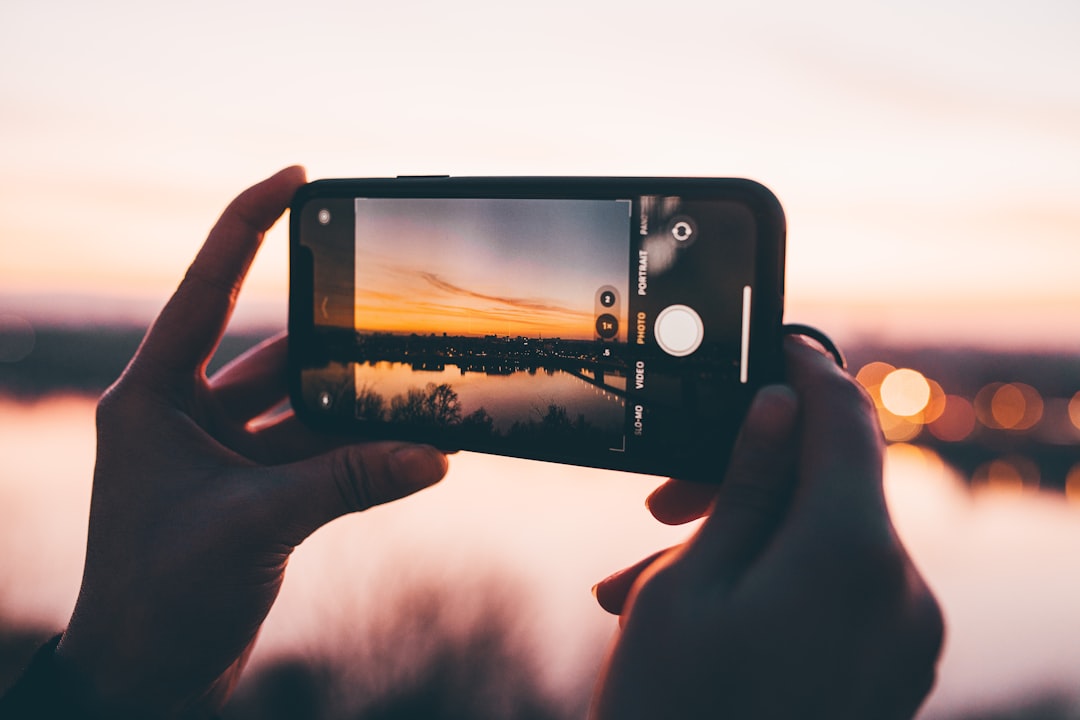
The Pro also gets more advanced camera options. These may include features such as Pro controls, higher-end zoom tools, and stronger video capabilities depending on region and software availability. For users who simply point and shoot, the Pixel 9 is outstanding. For users who compose shots carefully, zoom often, or rely on their phone as a serious camera, the Pixel 9 Pro is clearly more versatile.
Selfies and Video: Pro Pulls Ahead Again
The front camera is another underrated difference. The Pixel 9 has a capable 10.5MP selfie camera that works well for video calls, group selfies, and social posts. The Pixel 9 Pro upgrades to a much higher-resolution 42MP front camera, giving it more detail and flexibility, especially for wide group photos and sharper self-portraits.
For video, both phones benefit from Google’s computational processing, stabilization, and helpful editing tools. The Pro model is better suited for creators because it has the extra telephoto lens and access to more advanced video options. If your phone is your main camera for travel reels, family movies, or social content, the Pro’s camera system gives you more creative range.
AI Features and Software: A Shared Pixel Strength
Software is where both phones feel truly “Pixel.” You get a clean version of Android, fast access to Google services, helpful call tools, Recorder features, smart replies, Circle to Search, and Google’s expanding Gemini-powered features. Both phones also include photo tools such as Magic Editor, Best Take, and Add Me, which lets you combine group shots so the photographer can appear in the image too.
Most importantly, both phones receive seven years of software support, including OS updates, security updates, and Pixel Feature Drops. That dramatically improves long-term value. A Pixel 9 bought today should remain updated far longer than many older Android phones did in the past.
The Pixel 9 Pro may age slightly better because of its 16GB of RAM and higher-end hardware, but the Pixel 9 is still a long-term device. If you keep phones for four, five, or even more years, both are strong choices.
Battery Life and Charging: Very Close
Because the Pixel 9 and Pixel 9 Pro are similar in size, their battery capacities are also similar. Both are designed to last a full day for most users, with adaptive battery features helping prioritize the apps you use most. Real-world endurance will depend on brightness, camera use, navigation, gaming, and mobile signal strength.
The Pixel 9 Pro’s LTPO display can be more efficient in certain situations, but its brighter, sharper panel and extra camera hardware also balance that advantage. In practice, battery life should be broadly comparable, with neither phone being a dramatic winner.
Charging is solid rather than class-leading. Both support fast wired charging with a compatible charger, and both support wireless charging. The Pro may offer faster wireless charging with Google’s compatible stand, but if charging speed is your top priority, some competing Android phones still charge faster.
Storage, Price, and Value
The Pixel 9 is the value pick. It gives you the same processor, same core Pixel software, excellent main and ultrawide cameras, a premium design, and seven years of updates for less money. For many users, it is the smarter purchase because the everyday experience is so close to the Pro.
The Pixel 9 Pro costs more, but the upgrades are meaningful rather than cosmetic. You are paying for:
- A better LTPO display with higher brightness and sharper resolution
- More RAM for heavier multitasking and future AI features
- A 5x telephoto camera for real optical zoom
- A much stronger selfie camera
- More advanced photo and video tools
- A more premium finish
If those upgrades match your priorities, the Pro earns its higher price. If not, the Pixel 9 gives you most of the magic for less.
Which One Should You Buy?
Choose the Pixel 9 if you want a premium Android phone with excellent cameras, smooth performance, clean software, and long update support without paying extra for features you may not use. It is ideal for everyday users, families, students, and anyone who wants a reliable flagship that feels modern and polished.
Choose the Pixel 9 Pro if photography matters a lot to you, especially zoom photography. It is also the better choice if you want the best compact Pixel display, more memory, a superior selfie camera, and the strongest long-term feature set. The Pro is not just for enthusiasts, but it rewards people who notice and use the extra capabilities.
Final Verdict
The Pixel 9 and Pixel 9 Pro are closer than many standard and Pro phones, which makes the comparison especially interesting. The Pixel 9 is not a stripped-down device; it is a true flagship with excellent software, strong cameras, and a premium build. But the Pixel 9 Pro earns its name by adding the features that power users care about most: a better screen, more RAM, a telephoto lens, and enhanced camera tools.
For most people, the Pixel 9 is the best balance of price and performance. For those who want the most capable compact Pixel available, the Pixel 9 Pro is the clear winner. The good news is that neither choice feels like a compromise; it simply depends on whether you want great, or you want Google’s best in a smaller flagship body.
