
Does Your iPhone Support eSIM? Full Compatibility List
The introduction of eSIM technology has changed how people connect their iPhones to mobile networks. Instead of inserting a physical SIM card, users can activate a cellular plan digitally, directly on their device. As Apple continues to innovate, more iPhone models are supporting eSIM, but not all devices are compatible. Understanding whether a specific iPhone supports eSIM is essential for travelers, dual-SIM users, and anyone looking to simplify their wireless setup.
TLDR: Most iPhones from the iPhone XS, XS Max, and XR onward support eSIM technology. Newer models, especially those sold in the United States starting with the iPhone 14 series, may not include a physical SIM tray at all. Compatibility can vary depending on region and carrier, so it is important to verify the specific model number. Older iPhones prior to 2018 generally do not support eSIM.
What Is eSIM and Why It Matters
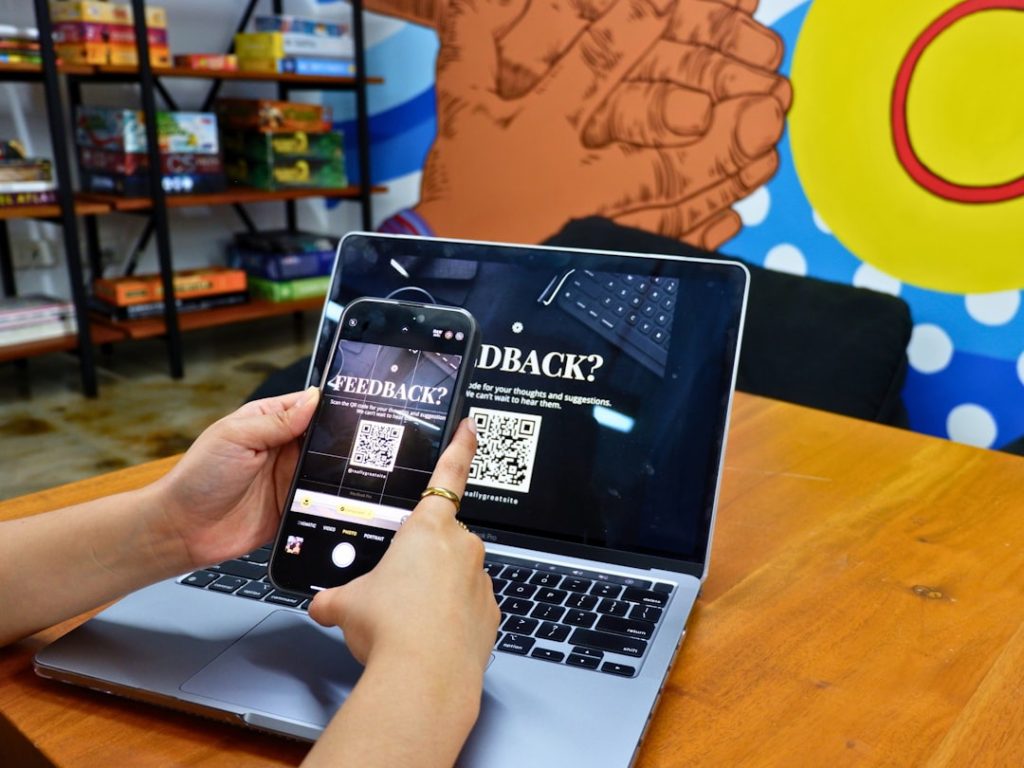
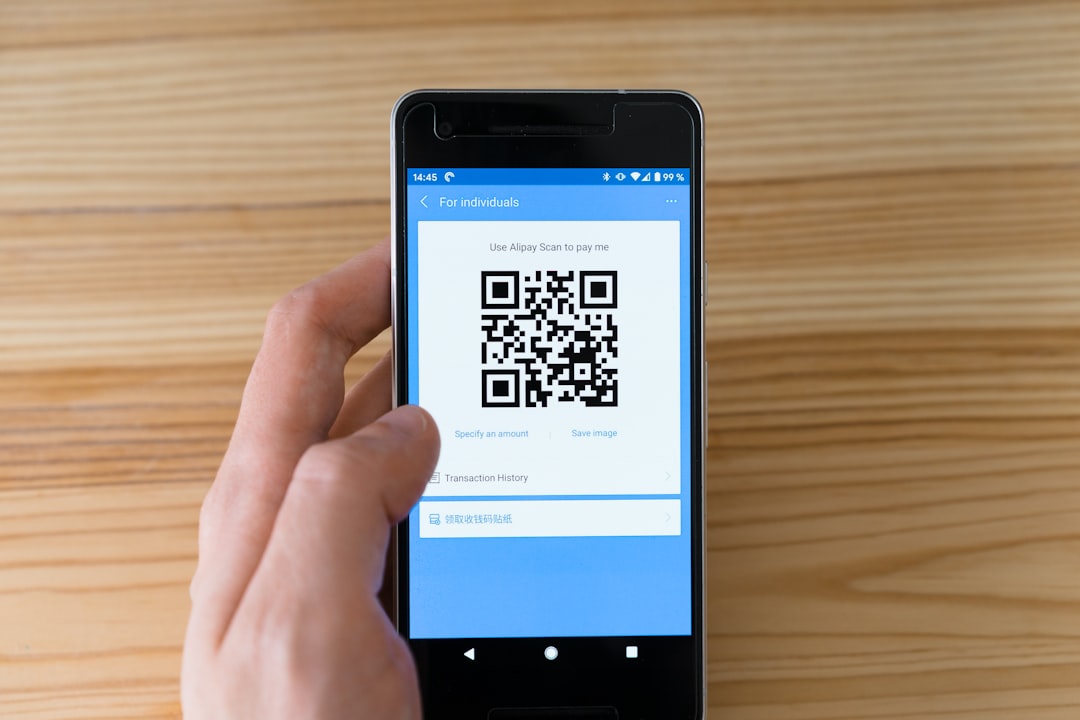
An eSIM (embedded SIM) is a digital SIM that allows users to activate a cellular plan without needing a physical SIM card. The technology is built directly into the phone’s hardware. Instead of swapping cards, users simply scan a QR code or use a mobile carrier app to activate a plan.
This technology offers several advantages:
- Convenience: No need to remove or insert tiny SIM cards.
- Dual SIM functionality: Users can run two numbers on one phone.
- Easier travel: International data plans can be added instantly.
- Less physical wear: Fewer mechanical components involved.
For frequent travelers or professionals who separate business and personal numbers, eSIM support can be a major benefit. However, not every iPhone supports this technology, especially older models.
Full List of iPhones That Support eSIM
Apple first introduced eSIM capability with the iPhone XS, iPhone XS Max, and iPhone XR in 2018. Since then, nearly every new model has included eSIM support. Below is a comprehensive list.
iPhones With eSIM Support
- iPhone XR
- iPhone XS
- iPhone XS Max
- iPhone 11
- iPhone 11 Pro
- iPhone 11 Pro Max
- iPhone SE (2nd generation, 2020)
- iPhone 12
- iPhone 12 Mini
- iPhone 12 Pro
- iPhone 12 Pro Max
- iPhone 13
- iPhone 13 Mini
- iPhone 13 Pro
- iPhone 13 Pro Max
- iPhone SE (3rd generation, 2022)
- iPhone 14
- iPhone 14 Plus
- iPhone 14 Pro
- iPhone 14 Pro Max
- iPhone 15
- iPhone 15 Plus
- iPhone 15 Pro
- iPhone 15 Pro Max
All of the models listed above offer eSIM functionality, but the way they implement it can differ based on region.
iPhones Without eSIM Support
If someone owns an iPhone older than the iPhone XS series, the device does not support eSIM. These models rely exclusively on physical SIM cards.
- iPhone X
- iPhone 8 and 8 Plus
- iPhone 7 and 7 Plus
- iPhone 6s and earlier
- iPhone SE (1st generation)
Users with these devices must use a traditional nano-SIM card to connect to a carrier network.
Regional Differences in eSIM Support
While most modern iPhones support eSIM, regional variations can affect availability and configuration.
For example:
- United States (iPhone 14 and newer): These models are eSIM-only and do not include a physical SIM tray.
- Europe: Most models offer dual SIM functionality using one nano-SIM and one eSIM.
- Mainland China, Hong Kong, Macau: Some models may support dual physical SIMs instead of eSIM.

Before purchasing a device internationally, it is important to check the model number and confirm carrier compatibility.
How to Check If an iPhone Supports eSIM
There are several ways to determine whether a specific iPhone supports eSIM:
1. Check the Model Number
Go to Settings > General > About and look at the model name. If the device is iPhone XS or newer, it likely supports eSIM.
2. Look for the “Add eSIM” Option
Navigate to Settings > Cellular (or Mobile Data in some regions). If there is an option to Add eSIM or Add Cellular Plan, the device supports eSIM technology.
3. Contact the Carrier
Even if a device supports eSIM, the mobile carrier must also offer eSIM service. Not all providers worldwide fully support this feature.
Dual SIM and eSIM Explained
One of the biggest advantages of eSIM is Dual SIM capability. Depending on the model, users can:
- Use one physical SIM and one eSIM.
- Use two eSIMs simultaneously (on newer models).
- Store multiple eSIM profiles and switch between them.
Starting with the iPhone 13 series and newer, Apple expanded the ability to use multiple active eSIMs at the same time. This is particularly helpful for users who travel internationally or maintain separate work and personal lines.
Benefits of Using eSIM on iPhone
Switching to eSIM offers several benefits beyond eliminating the physical SIM card:
- Quick activation: Plans can be activated in minutes.
- Improved security: A lost phone is harder to misuse without a removable SIM.
- Better space efficiency: Manufacturers can use internal space more effectively.
- Environmentally friendly: Reduced plastic SIM production.
As mobile carriers continue expanding eSIM adoption, the technology is expected to become the global standard.
Common Limitations to Consider
Despite its benefits, eSIM does have a few considerations:
- Not all carriers support eSIM in every country.
- Switching phones may require reactivation from the carrier.
- Some enterprise or prepaid plans might not support eSIM.
- International compatibility varies depending on region-specific hardware.
Users who frequently change devices should confirm how their carrier handles eSIM transfers.
The Future of eSIM on iPhone
Apple’s move toward eSIM-only devices in the United States suggests a clear direction for the future. Over time, physical SIM trays may disappear entirely from global iPhone models. This aligns with broader industry trends aimed at simplifying hardware and enhancing digital connectivity.
As 5G networks expand and international roaming becomes more seamless, eSIM technology will likely become even more valuable. Consumers purchasing new iPhones today can generally expect full eSIM compatibility, provided their carrier supports it.
FAQ
Does iPhone 8 support eSIM?
No. The iPhone 8 and 8 Plus do not support eSIM. eSIM capability began with the iPhone XS, XS Max, and XR.
Which was the first iPhone to support eSIM?
The iPhone XS, iPhone XS Max, and iPhone XR were the first Apple devices to include eSIM functionality.
Do all iPhone 14 models support eSIM?
Yes. All iPhone 14 models support eSIM. In the United States, they are eSIM-only and do not include a physical SIM tray.
Can an iPhone use two eSIMs at the same time?
On newer models such as the iPhone 13 and later, users can activate and use two eSIMs simultaneously, depending on carrier support.
How many eSIM profiles can be stored on an iPhone?
iPhones can store multiple eSIM profiles, but only one or two (depending on the model) can be active at the same time.
Is eSIM better than a physical SIM?
It depends on user preference. eSIM offers convenience and flexibility, especially for travel and dual SIM use. However, some users prefer physical SIM cards for easier device swapping.
How can someone activate eSIM on a supported iPhone?
Activation usually involves scanning a QR code provided by the carrier or using the carrier’s mobile app. The process can be initiated in Settings under Cellular or Mobile Data.
Does eSIM work internationally?
Yes, but compatibility depends on local carrier support. Many international travel eSIM providers offer short-term data plans that can be installed instantly.
