
AI Solutions for Content Planning, Scheduling, and Engagement

Artificial intelligence has transformed the way organizations approach digital marketing, especially in the areas of content planning, scheduling, and audience engagement. Instead of relying solely on intuition and manual coordination, teams now leverage intelligent systems that analyze data, predict performance, and automate routine processes. From small businesses to global brands, AI-powered tools are redefining how content strategies are built and executed across platforms.
TL;DR: AI solutions streamline content planning by analyzing data, identifying trends, and suggesting optimal strategies. They improve scheduling through automation and predictive timing based on audience behavior. AI-driven engagement tools personalize interactions, enhance responsiveness, and uncover insights that help brands connect more effectively with their audiences. Together, these technologies increase efficiency, consistency, and measurable impact.
The Evolution of AI in Content Strategy
In the past, content planning relied heavily on spreadsheets, editorial meetings, and manual calendar updates. While effective to a point, these systems lacked adaptability. Today, AI-driven platforms aggregate data from multiple channels, analyze audience behavior, and recommend high-performing content topics in real time.
By scanning search trends, social conversations, competitor activity, and user engagement metrics, AI systems can identify gaps and opportunities that may otherwise go unnoticed. This allows marketing teams to focus on strategy and creativity rather than data crunching.
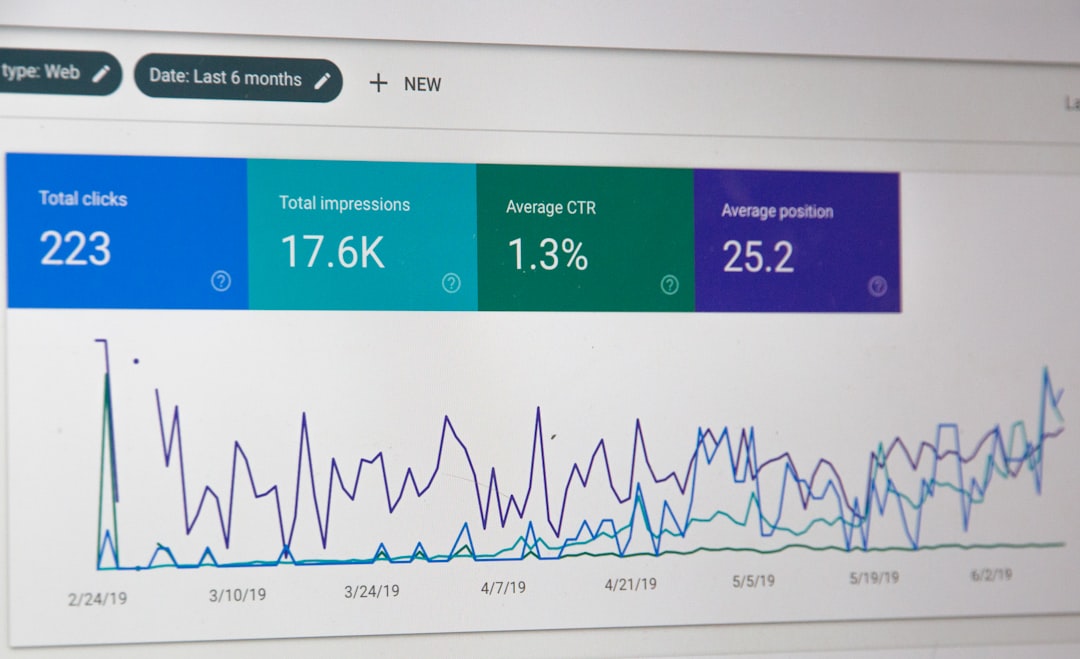
Key advancements include:
- Predictive analytics that forecast content performance.
- Natural language processing (NLP) to generate topic ideas and outlines.
- Trend monitoring that detects emerging industry conversations.
- Automated categorization for organizing content assets.
These capabilities empower businesses to move from reactive publishing to proactive, data-informed strategies.
AI-Powered Content Planning
Content planning involves more than choosing topics. It requires aligning messaging with brand voice, audience preferences, seasonal trends, and business objectives. AI simplifies this complex process by integrating data from multiple sources into actionable insights.
Topic generation algorithms analyze high-performing keywords and user queries, suggesting blog posts, videos, or social media themes tailored to target demographics. Instead of guessing which subjects will resonate, marketers can rely on evidence-backed recommendations.
AI planning tools often include:
- Audience segmentation analysis for personalized content targeting.
- Competitive benchmarking to identify opportunities.
- Content gap analysis to discover missing themes.
- Performance simulations estimating potential reach or engagement.
This data-driven planning enhances creativity rather than replacing it. Writers and strategists gain clarity about what audiences care about, allowing them to craft messages that are timely and relevant.
Smart Scheduling and Automation
Even the best content can fail if published at the wrong time. AI scheduling solutions analyze historical engagement data to determine optimal posting times for different platforms and audience segments.

Rather than selecting fixed times, AI platforms continuously learn from performance metrics such as clicks, shares, and comments. Over time, these systems refine their scheduling models to maximize visibility and interaction.
Core features often include:
- Automated posting across multiple platforms.
- Dynamic rescheduling based on engagement trends.
- Time zone optimization for global audiences.
- A/B testing to compare posting variations.
Beyond efficiency, automation reduces the risk of human error and ensures consistency. Marketing teams can maintain a steady publishing rhythm while focusing on higher-value tasks such as strategy development and creative production.
Enhancing Engagement with AI
Engagement is not limited to likes or shares; it involves meaningful interactions that build loyalty and trust. AI tools enhance engagement by personalizing experiences and facilitating responsive communication.
Chatbots and intelligent assistants provide instant support, answer frequently asked questions, and guide users through purchasing decisions. Unlike static FAQs, AI systems adapt responses based on user input, delivering a more conversational experience.

AI enhances engagement through:
- Personalized content recommendations based on browsing behavior.
- Sentiment analysis to gauge audience reactions.
- Automated comment moderation to maintain brand safety.
- Real-time alerts for trending discussions.
Sentiment analysis is particularly powerful. By evaluating comment tone and emotional cues, AI systems can detect potential crises early or identify advocacy opportunities. This proactive approach ensures that brands respond appropriately and promptly.
Data-Driven Content Optimization
Continuous improvement is essential for long-term success. AI provides detailed performance dashboards that track metrics such as:
- Engagement rates
- Click-through rates
- Conversion metrics
- User retention data
Machine learning models analyze patterns across campaigns, highlighting which formats, headlines, or visuals produce the strongest results. This insight informs future planning cycles, creating a feedback loop that steadily enhances content effectiveness.
Additionally, AI systems can recommend micro-adjustments, such as refining headlines, adjusting keyword density, or modifying image placement. These incremental changes collectively boost performance and strengthen ROI.
Scalability and Efficiency for Growing Teams
As organizations expand, managing content across multiple platforms becomes increasingly complex. AI solutions offer scalability by automating repetitive tasks and ensuring consistent brand messaging.
For example, AI tools can:
- Repurpose long-form content into short social media posts.
- Translate content for diverse audiences.
- Adapt tone for different platforms.
- Monitor cross-channel performance in a centralized dashboard.
This scalability allows smaller teams to operate with the efficiency of larger departments. Resources can be allocated strategically rather than being consumed by administrative tasks.
Ethical Considerations and Human Oversight
While AI offers substantial benefits, it must be implemented responsibly. Over-automation can diminish authenticity if not balanced with human oversight. Content should remain aligned with brand values and ethical standards.
Transparency and accountability are critical. Teams should regularly review AI-generated recommendations, ensuring that messaging is accurate and inclusive. Human creativity, empathy, and cultural awareness remain indispensable components of effective engagement.
Furthermore, responsible data usage practices are essential. Collecting and analyzing audience data must comply with privacy regulations and maintain user trust.
The Future of AI in Content Ecosystems
Looking ahead, AI systems are likely to become even more predictive and adaptive. Integration with emerging technologies such as voice search, augmented reality, and immersive media will expand the creative possibilities of content strategy.
As algorithms grow more sophisticated, real-time personalization may become the norm. Content experiences will dynamically adjust based on individual user behavior, preferences, and context. This level of customization promises deeper connections between brands and audiences.
Ultimately, AI solutions for content planning, scheduling, and engagement are not simply tools for automation. They represent an evolution in how organizations understand and interact with their audiences. By combining intelligent systems with human creativity, businesses can create content ecosystems that are agile, responsive, and impactful.
FAQ
-
What are AI solutions for content planning?
AI solutions for content planning are software systems that analyze data, identify trends, and recommend strategies for creating and organizing content. They help marketers develop data-driven plans aligned with audience preferences and business goals. -
How does AI improve content scheduling?
AI improves scheduling by analyzing historical engagement data to determine optimal posting times. It can automate publishing, adjust schedules dynamically, and conduct performance tests to maximize reach and interaction. -
Can AI replace human marketers?
No. AI enhances efficiency and provides data insights, but human creativity, empathy, and strategic thinking remain essential. The most effective approaches combine AI automation with human oversight. -
How does AI enhance audience engagement?
AI enhances engagement through personalization, chatbots, sentiment analysis, and content recommendations. These tools help brands respond quickly and tailor interactions to individual users. -
Is AI content strategy suitable for small businesses?
Yes. Many AI tools are scalable and help small teams operate more efficiently. Automation and predictive insights reduce workload while improving consistency and performance. -
What ethical concerns should be considered?
Organizations should ensure responsible data use, maintain transparency, and regularly review AI-generated decisions. Human oversight is necessary to prevent bias and preserve authenticity.
