
Turn Your WordPress Site Into an AI-Powered Content Engine

WordPress has long been the backbone of content-driven websites, powering everything from personal blogs to enterprise-level publications. Yet in today’s competitive digital landscape, publishing content manually and sporadically is no longer enough. Businesses that want to scale, compete, and lead must rely on automation, data, and intelligent systems. The integration of artificial intelligence into WordPress transforms a traditional website into a high-performance, AI-powered content engine capable of generating, optimizing, personalizing, and distributing content at scale.
TLDR: Turning your WordPress site into an AI-powered content engine allows you to automate content creation, improve SEO, personalize user experiences, and scale publishing without increasing overhead. By combining AI writing tools, SEO automation, analytics, personalization engines, and workflows, you can dramatically increase efficiency and performance. The key is to integrate AI strategically — not to replace human oversight, but to enhance it. When implemented thoughtfully, AI becomes a force multiplier for your editorial and marketing efforts.
Why WordPress + AI Is a Strategic Advantage
Artificial intelligence is not simply a productivity shortcut. It is a strategic enhancement that enables:
- Faster content production without sacrificing quality
- Data-driven topic selection based on trends and search intent
- On-page SEO optimization in real time
- Personalized user experiences for higher engagement
- Automated distribution across multiple channels
WordPress provides the flexibility and plugin ecosystem necessary to integrate these capabilities seamlessly. With the right stack, you can create an intelligent workflow where ideas are generated, drafts are written, optimized for search, enhanced with media, and automatically published or scheduled — all within a controlled system.

Step 1: Automate Content Ideation and Research
Every content engine begins with ideas. AI tools can analyze:
- Search trends and keyword clusters
- Competitor content gaps
- User behavior data
- Frequently asked questions from search engines
Instead of manually brainstorming topics, you can use AI-driven keyword tools and topic research plugins to generate clusters aligned with search intent. This ensures your WordPress site focuses on content with measurable demand.
Best practice: Combine AI-generated suggestions with your brand expertise. Let AI surface opportunities — but apply editorial judgment before committing resources.
Step 2: Implement AI Writing and Draft Generation
AI writing assistants can now create high-quality drafts in minutes. When integrated into WordPress via plugins or external workflows, they allow you to:
- Generate complete articles from outlines
- Rewrite and improve existing posts
- Create meta descriptions and title variations
- Draft product descriptions at scale
However, responsible use is critical. AI-generated drafts should always undergo human editing for tone, factual accuracy, and strategic alignment. Think of AI as your first-draft partner — not your editor-in-chief.
Popular AI Writing and SEO Tools for WordPress
| Tool | Primary Function | Best For | Integration Type |
|---|---|---|---|
| Jasper | Long-form AI writing | Marketing and blogs | External + copy to WP |
| ChatGPT | Drafting and ideation | General content creation | API and plugins |
| Surfer SEO | On-page optimization | SEO-focused publishers | External editor |
| Rank Math AI | SEO recommendations | WordPress SEO automation | Native plugin |
| Frase | Content research + AI writing | Search-focused blogs | External platform |
Select tools based on workflow compatibility rather than popularity. The most effective systems are cohesive, not cluttered.
Step 3: Supercharge On-Page SEO with AI
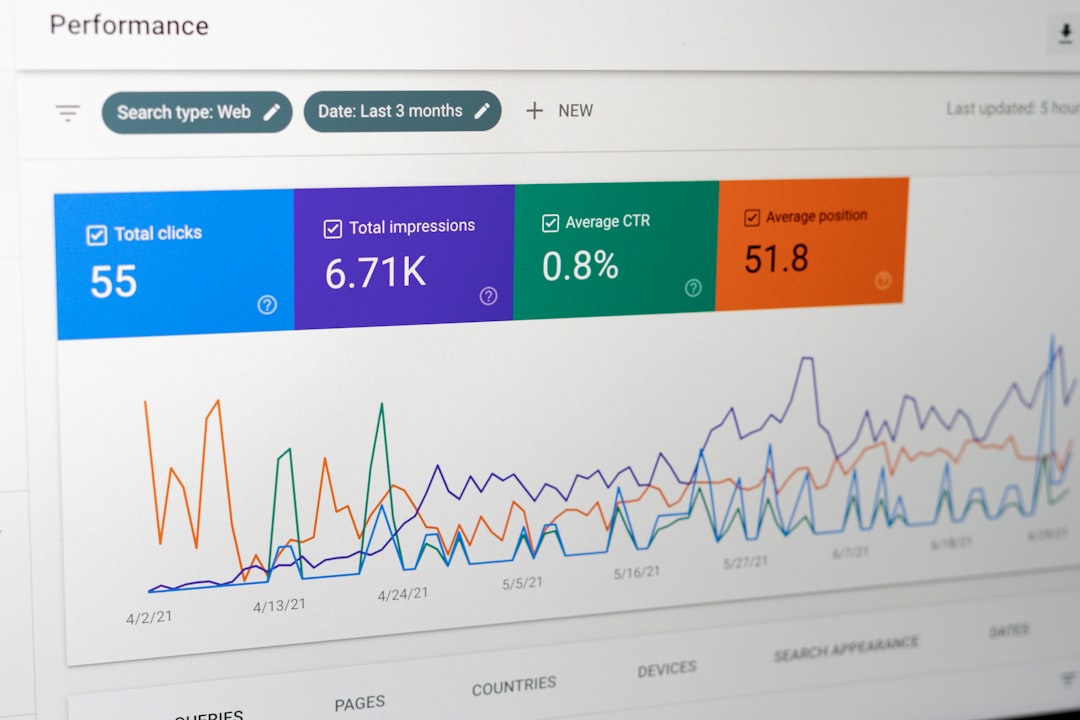
SEO is where AI creates measurable competitive advantage. Modern AI-driven SEO plugins analyze:
- Keyword density and semantic variation
- Search intent alignment
- Competitor content structure
- Readability and engagement signals
Instead of optimizing after publishing, AI provides real-time feedback as you edit within WordPress. This dramatically reduces revision cycles and ensures every article meets search performance standards before it goes live.
Key tip: Focus on semantic depth rather than keyword stuffing. AI excels at identifying related subtopics that strengthen topical authority.
Step 4: Personalize the User Experience
An AI-powered content engine does more than produce articles. It adapts content delivery to individual users.
Using AI personalization tools, your WordPress site can:
- Recommend articles based on browsing behavior
- Display dynamic calls to action
- Adjust messaging based on visitor location
- Suggest related content automatically
This increases:
- Session duration
- Pages per visit
- Conversion rates
- User retention
Plugins utilizing behavioral data and machine learning make this achievable even for mid-sized sites.
Step 5: Automate Visual Content Creation
Content engines are not limited to text. AI image generation and enhancement tools can:
- Create featured images
- Generate blog post illustrations
- Produce infographics
- Optimize image sizes automatically
This is especially valuable for publishers scaling multiple posts per week. Instead of relying solely on stock photography, AI-generated visuals align with specific article topics and brand tone.
Pair image generation tools with WordPress media optimization plugins to maintain site speed.

Step 6: Build Automated Publishing Workflows
Automation connects everything into an actual engine.
Using workflow tools and WordPress automation plugins, you can:
- Trigger draft creation from keyword lists
- Send drafts for editorial review automatically
- Auto-schedule posts at optimal times
- Distribute articles to social media
- Send newsletters upon publication
When combined, these steps reduce administrative overhead dramatically. Teams can focus on strategy and quality control rather than repetitive tasks.
Recommended approach: Map your entire content lifecycle before automating. Identify friction points and automate selectively to avoid unnecessary complexity.
Step 7: Use AI Analytics for Continuous Improvement
An effective engine self-optimizes. AI analytics tools identify patterns that humans often overlook:
- Content types with highest conversion rates
- Topics driving backlink growth
- Engagement drop-off points
- Title structures performing best
Use these insights to refine future content production. Over time, your WordPress site evolves from reactive publishing to predictive strategy — producing what data indicates will perform.
Maintaining Trust and Quality Control
Automation introduces risk if left unchecked. To maintain authority and credibility:
- Fact-check AI-generated claims
- Enforce editorial guidelines
- Use plagiarism detection tools
- Maintain a consistent brand voice
- Regularly audit published content
Transparency and oversight are essential. AI should enhance trust, not undermine it.
A Practical Implementation Roadmap
- Audit your current content workflow.
- Select 2–3 AI tools that address your biggest bottlenecks.
- Integrate SEO automation within WordPress.
- Introduce AI-assisted drafting with human review.
- Add personalization features once content volume increases.
- Measure performance monthly and iterate systematically.
This phased approach reduces disruption and ensures measurable ROI at each stage.
The Real Outcome: Scalable Authority
The ultimate goal of transforming WordPress into an AI-powered content engine is not speed alone. It is scalability without proportionate cost increases. It is consistent publishing without burnout. It is strategic growth driven by data rather than guesswork.
Organizations that deploy AI responsibly within their WordPress infrastructure experience:
- Higher organic visibility
- Shorter production cycles
- Improved content consistency
- Enhanced audience targeting
- Greater marketing ROI
AI does not eliminate the need for skilled professionals. It amplifies their output and sharpens their strategy. When human expertise and machine intelligence work in tandem, WordPress becomes more than a site builder — it becomes a dynamic publishing ecosystem.
In a digital environment where speed, relevance, and personalization determine success, standing still is not neutral — it is decline. Turning your WordPress site into an AI-powered content engine is not a trend. It is a structural evolution that positions your organization to compete sustainably in the years ahead.
