
Residential vs Datacenter Proxies: The Complete Guide
Proxies can feel confusing at first. So many terms. So many choices. But when it comes down to it, most people are deciding between two big types: residential proxies and datacenter proxies. They both hide your IP address. They both act as a middleman between you and the internet. But they are built very differently. And those differences matter a lot.
TLDR: Residential proxies use real IP addresses from real devices, making them look natural and harder to detect. Datacenter proxies come from cloud servers and are much faster and cheaper, but easier to block. Residential is best for stealth and scraping protected sites. Datacenter is great for speed, scale, and lower budgets.
What Is a Proxy, Really?
Before comparing them, let’s simplify the idea.
A proxy is like a mask for your internet connection. When you connect to a website through a proxy:
- The website sees the proxy’s IP address.
- Your real IP stays hidden.
- You gain more privacy and flexibility.
Think of it as sending a friend to knock on a door instead of doing it yourself.
Now let’s talk about the two main types.
What Are Residential Proxies?
Residential proxies use IP addresses assigned by Internet Service Providers (ISPs). These IPs belong to real devices like:
- Home computers
- Smartphones
- Laptops
- Tablets
Because they come from real homes and real users, they look completely legitimate.
Imagine visiting a website using an IP that looks like it belongs to someone’s house in New York. That’s what a residential proxy does.

Why They’re Powerful
Websites trust residential IP addresses more. That means:
- Lower chance of getting blocked
- Easier access to protected websites
- Better for scraping difficult targets
They are excellent for:
- Web scraping
- Ad verification
- Market research
- Sneaker bots
- Account management
But there’s a trade-off.
They are usually:
- More expensive
- Slightly slower
What Are Datacenter Proxies?
Datacenter proxies come from cloud hosting companies. Not from ISPs. Not from homes.
They are generated inside massive data facilities filled with servers.
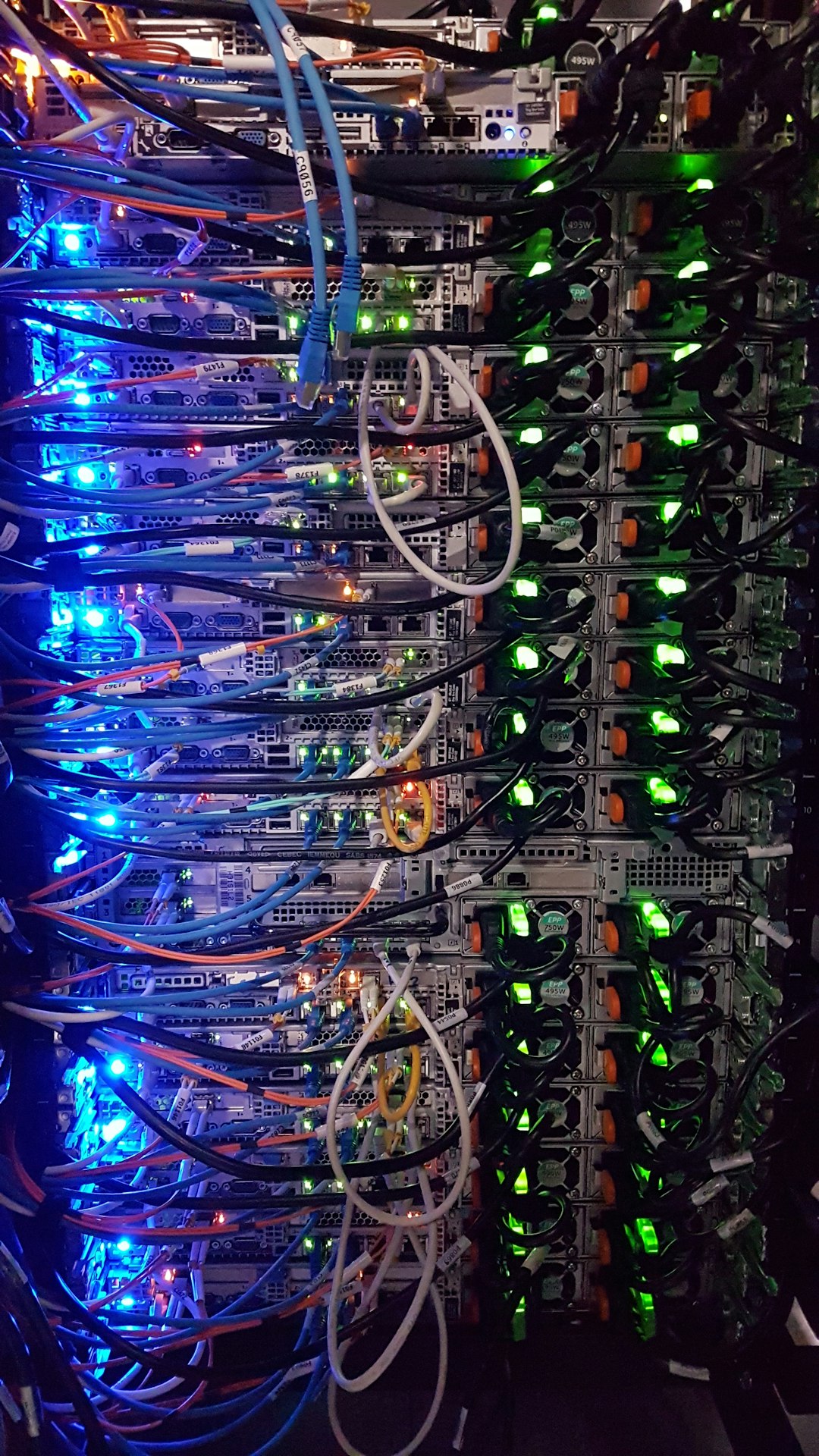
These IPs are not tied to physical home locations. They exist in hosting environments.
Why People Love Them
Datacenter proxies are:
- Fast
- Cheap
- Easy to scale
If you need thousands of IP addresses quickly, datacenter proxies are perfect.
They work great for:
- Bulk scraping
- SEO monitoring
- Price comparison tracking
- Automation tasks
But they have one weakness.
They are easier to detect.
Websites can identify that the traffic comes from a server farm instead of a home user. Some sites block them immediately.
Side-by-Side Comparison
Here’s a simple comparison chart to make things clear:
| Feature | Residential Proxies | Datacenter Proxies |
|---|---|---|
| IP Source | Real ISP assigned home devices | Cloud hosting data centers |
| Speed | Moderate | Very fast |
| Cost | Higher | Lower |
| Detection Risk | Low | Higher |
| Best For | Hard-to-access sites | High volume tasks |
| Stability | Can rotate frequently | Very stable |
Speed vs Stealth
This is the core battle.
Datacenter = Speed.
Residential = Stealth.
If you’re scraping 1 million pages of a lightly protected site, datacenter proxies save money and time.
If you’re trying to scrape a website with aggressive bot protection, residential proxies are safer.
Think of it like cars.
- Datacenter proxies are race cars. Fast and powerful.
- Residential proxies are undercover vehicles. Quiet and unnoticed.
Blocking and Detection
Websites use anti-bot systems. These systems analyze:
- IP reputation
- Request frequency
- User behavior
- IP type
Datacenter IP ranges are public knowledge. Many are tagged as hosting providers. So websites can flag them easily.
Residential IPs are much harder to detect because they blend in with normal users.

But remember. No proxy is invisible forever. Good behavior matters.
Pricing Differences
Residential proxies are usually priced per gigabyte of traffic.
Datacenter proxies are often priced per IP or per server.
This makes residential solutions more expensive for heavy scraping tasks.
If budget matters a lot, datacenter proxies often win.
If success rate matters more, residential is worth the cost.
Use Case Scenarios
Scenario 1: Price Monitoring
You want to monitor competitor prices daily. The website has light protection.
Best choice: Datacenter proxies.
Why?
- Cheaper at scale
- Fast requests
- Lower data cost
Scenario 2: Sneaker Drops
You want to buy limited edition sneakers.
Those sites hate bots.
Best choice: Residential proxies.
They look like real shoppers.
Scenario 3: Social Media Account Management
You manage multiple accounts.
Platforms track suspicious IP behavior carefully.
Best choice: Residential proxies for safety.
Scenario 4: SEO Rank Tracking
You check search rankings in different cities.
Best choice: Either works.
Residential gives more accuracy. Datacenter saves money.
Static vs Rotating Proxies
Both residential and datacenter proxies can be:
- Static (same IP for long periods)
- Rotating (IP changes frequently)
Rotating IPs reduce detection risk.
Static IPs are useful for:
- Long sessions
- Login-based tasks
Many providers let you choose.
Ethical and Legal Considerations
Proxies are tools. Tools are neutral.
How you use them matters.
Always:
- Follow website terms of service
- Avoid harming platforms
- Respect data privacy laws
Using proxies responsibly protects both you and others.
When to Choose Residential Proxies
Go residential if:
- You face strong anti-bot systems
- You need geo targeting at city level
- Your project depends on high success rates
- Budget is flexible
They are the stealth experts.
When to Choose Datacenter Proxies
Go datacenter if:
- You need speed
- You need thousands of IPs
- You operate on tight margins
- The target site has weak protection
They are the power lifters of the proxy world.
Can You Combine Both?
Yes. And many professionals do.
A smart strategy looks like this:
- Test with datacenter proxies first.
- Switch to residential if blocked.
- Use residential only for sensitive actions.
This hybrid model balances cost and performance.
Final Thoughts
There is no “best” proxy type.
Only the best one for your task.
If you need stealth and realism, residential proxies are your friend.
If you need power and affordability, datacenter proxies shine.
Understand your goal. Measure your risks. Consider your budget.
Then choose wisely.
Because in the world of proxies, the right choice makes everything smoother. And the wrong one gets you blocked fast.
Now you know the difference. And you’re already ahead of most beginners.
