
4 Content Optimization Tools For Better SEO Results

Search engine optimization has evolved far beyond adding a few keywords to a blog post. Today, ranking on Google requires strategic research, intelligent structuring, competitive analysis, and continuous optimization. With algorithms becoming increasingly sophisticated, content creators and marketers must rely on powerful tools to stay competitive. The good news? Modern content optimization tools make it easier than ever to create data-driven content that performs.
TLDR: Content optimization tools help you create higher-ranking pages by analyzing search intent, keywords, competition, and technical structure. Platforms like Surfer SEO, SEMrush, Clearscope, and Frase provide actionable insights to improve on-page SEO and content relevance. Each tool offers unique strengths, from real-time optimization scoring to AI-powered briefs. Choosing the right one depends on your team size, workflow, and SEO goals.
Below, we explore four of the most effective content optimization tools available today, how they work, and why they can significantly improve your SEO performance.
1. Surfer SEO
Surfer SEO has become one of the most popular content optimization tools thanks to its powerful content editor and data-driven approach. It analyzes top-ranking pages for any keyword and extracts actionable insights you can apply directly to your content.

Key Features
- Content Editor: Real-time optimization score as you write
- SERP Analyzer: Breaks down ranking factors of top competitors
- Keyword recommendations: Shows suggested terms with frequency ranges
- Content audits: Identify gaps and update outdated pages
What sets Surfer apart is its correlation-based analysis. Instead of general SEO advice, it uses measurable ranking factors such as word count, keyword distribution, and structure patterns from high-performing pages.
Why It Works:
- Provides clear numeric targets
- Aligns your content with real SERP data
- Easy integration with tools like Google Docs
If you want precise, guidelines-driven optimization, Surfer is an excellent choice.
2. SEMrush Content Marketing Toolkit
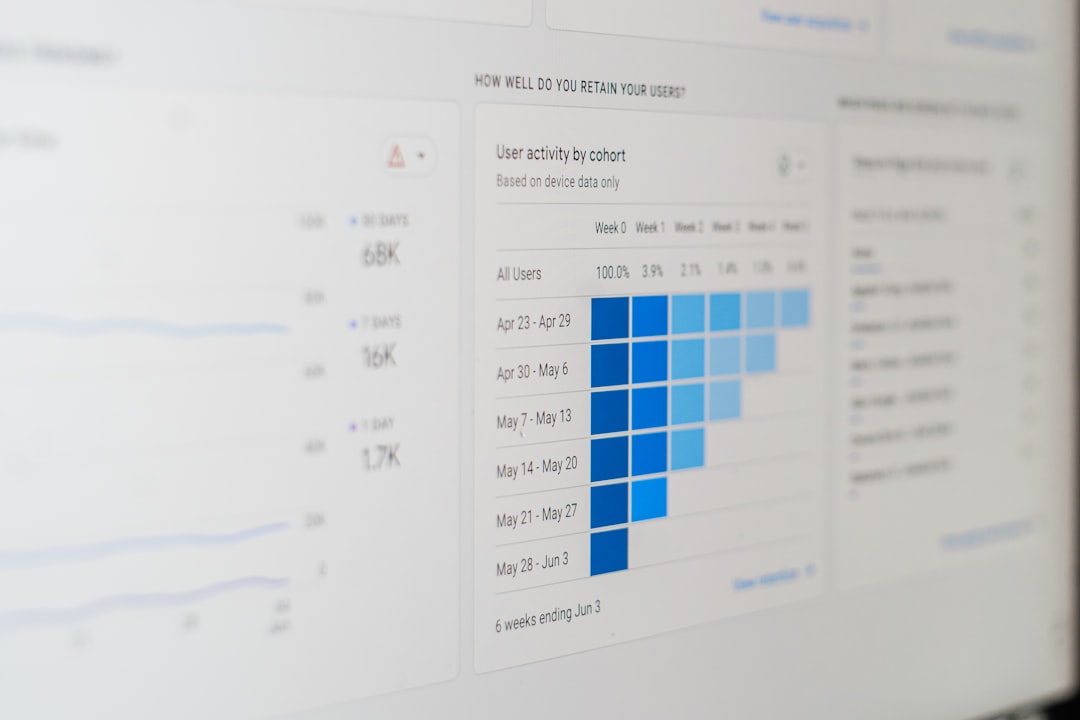
SEMrush is widely known as a comprehensive SEO platform, but its Content Marketing Toolkit is especially strong for optimization. It allows you to manage everything from keyword research to post-publishing analytics in one ecosystem.
Key Features
- SEO Writing Assistant: Real-time readability and keyword feedback
- Topic Research Tool: Discover trending subtopics
- Competitive analysis: Evaluate domain and page-level competition
- Content audit: Track content performance over time
SEMrush stands out because of its breadth. Beyond on-page recommendations, you gain deep insights into backlink profiles, technical issues, and competitive ranking patterns.
Why It Works:
- All-in-one SEO ecosystem
- Strong competitive intelligence
- Scalable for teams and agencies
For businesses wanting a broader SEO strategy tool alongside content optimization, SEMrush delivers significant value.
3. Clearscope
Clearscope is designed with simplicity and content quality in mind. It focuses heavily on semantic relevance—helping writers naturally incorporate related terms that search engines expect to see.
Rather than overwhelming users with technical data, Clearscope provides a clean interface with a graded scoring system, making it user-friendly even for non-SEO writers.

Key Features
- Content grading system: Letter-based scoring
- Semantic keyword suggestions: Enhances topical authority
- Competitive content outlines: Based on top-ranking pages
- Google Docs integration: Seamless writing workflow
Clearscope shines in content teams where writers need clear instructions without too much complexity. It bridges the gap between SEO specialists and content creators.
Why It Works:
- Emphasis on readability and natural flow
- Strong semantic analysis
- Easy collaboration features
If your priority is producing high-quality, natural-sounding content that still ranks well, Clearscope is a strong contender.
4. Frase
Frase combines AI-powered research with content creation and optimization. It excels at generating detailed content briefs in minutes, saving hours of manual SERP research.
What makes Frase unique is its ability to analyze search intent directly from search results, including People Also Ask questions and featured snippets.
Key Features
- AI-generated briefs: Automatically structured outlines
- Question research: Pulls common queries from SERPs
- Content scoring: Measures optimization level
- Chatbot integration: Enhances on-site engagement
Why It Works:
- Strong AI-powered workflow
- Ideal for scaling content production
- Helps target featured snippets and rich results
For marketers seeking speed and automation in content production, Frase offers a competitive advantage.
Comparison Chart: Which Tool Is Right for You?
| Feature | Surfer SEO | SEMrush | Clearscope | Frase |
|---|---|---|---|---|
| Real-Time Content Scoring | Yes | Yes | Yes | Yes |
| Semantic Keyword Analysis | Strong | Moderate | Very Strong | Strong |
| AI Content Briefs | Limited | Basic | No | Advanced |
| Competitor SERP Analysis | Detailed | Comprehensive | Moderate | Moderate |
| Best For | Precision optimization | Full SEO strategy | Writers and editors | Scaling content production |
How to Choose the Right Tool
The best content optimization tool depends on your specific needs:
- Solo bloggers: May prefer Surfer SEO or Frase for focused optimization.
- Agencies: SEMrush offers broad functionality across multiple clients.
- Content teams: Clearscope simplifies collaboration between writers and SEO specialists.
- Scaling startups: Frase accelerates research and outlining.
Consider these factors before investing:
- Your budget
- Team size
- Depth of competitive analysis required
- Need for AI automation
- Integration with your existing workflow
Best Practices When Using Content Optimization Tools
While these platforms are powerful, they are most effective when used strategically.
1. Avoid Keyword Stuffing
Optimization scores are guidelines—not mandates. Focus on readability first.
2. Match Search Intent
Analyze the SERP manually to ensure your content aligns with user expectations.
3. Update Existing Content
Many tools unlock major gains through content audits and refresh strategies.
4. Combine Data With Creativity
No tool can replace original insights, storytelling, or unique expertise.
Final Thoughts
Content optimization tools have transformed SEO from guesswork into a data-driven discipline. Whether you prioritize precision metrics, broad competitive insights, semantic richness, or AI-powered efficiency, there’s a solution designed for your workflow.
The most successful SEO strategies don’t rely on tools alone—but leverage them intelligently. When combined with compelling writing, user-focused structure, and consistent updates, platforms like Surfer SEO, SEMrush, Clearscope, and Frase can dramatically improve your rankings.
In an increasingly competitive digital landscape, optimized content isn’t optional—it’s essential. The sooner you integrate the right optimization tool into your workflow, the faster you’ll see measurable SEO results.
