
3 Video Repurposing Tools For Maximizing Content Reach
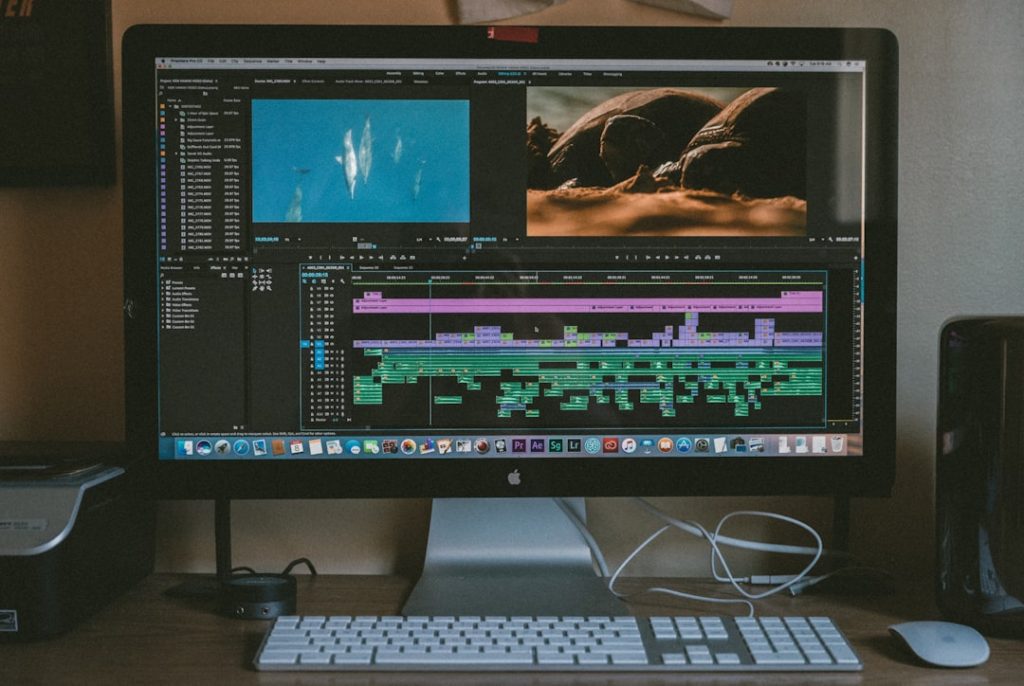
Video content continues to dominate digital platforms, but creating high-quality videos requires time, effort, and resources. To maximize return on investment, marketers and content creators increasingly turn to video repurposing tools that transform one piece of content into multiple formats. Repurposing enables brands to reach new audiences, adapt content for different platforms, and extend the lifespan of existing assets without starting from scratch.
TLDR: Video repurposing helps brands amplify reach by converting existing videos into multiple content formats for different platforms. Tools like Descript, Repurpose.io, and Canva streamline editing, resizing, clipping, transcription, and distribution. By leveraging automation and AI-driven features, marketers can save time while increasing engagement. Smart repurposing maximizes ROI and keeps content relevant across channels.
With the right tools, one long-form video can become a collection of short clips, blog posts, audiograms, quote graphics, and social media snippets. Below are three powerful video repurposing tools that help maximize content reach while saving time and resources.
1. Descript: Transforming Video Through Text-Based Editing
Descript has become one of the most innovative video repurposing tools on the market due to its text-driven editing capabilities. Instead of manually trimming footage on a timeline, users can edit their videos by simply editing the transcript. This makes content transformation faster and more intuitive.
Key Features
- Automatic Transcription: Converts video speech into accurate text within minutes.
- Overdub Technology: Allows users to correct audio mistakes using AI voice replication.
- Clip Creation: Easily extracts highlights for social media.
- Screen Recording: Captures tutorials and presentations for multi-format reuse.
For example, a 45-minute webinar can be transcribed and edited into:
- Short LinkedIn video highlights
- YouTube Shorts or Instagram Reels
- A written blog article based on the transcript
- A podcast episode extracted from the audio
Its ability to convert speech into searchable, editable text makes it particularly suitable for educators, podcasters, and marketers who rely heavily on long-form video. By identifying key quotes or moments directly from the transcript, content teams can quickly create high-performing snippets tailored to each platform.
Why it maximizes reach: Descript reduces the friction of editing, enabling faster turnaround for multi-platform publishing. Faster production means more consistent posting, which directly improves visibility and engagement.
2. Repurpose.io: Automated Multi-Platform Distribution
While editing tools focus on content transformation, Repurpose.io specializes in content automation and cross-platform publishing. It ensures that content created on one platform is automatically distributed to others without manual uploading.

Key Features
- Automated Workflows: Connects video sources to multiple publishing destinations.
- Platform Integration: Works with platforms such as YouTube, TikTok, Instagram, Facebook, and podcast hosting services.
- Custom Triggers: Automatically publishes content when new videos are uploaded.
- Watermark Removal and Format Adjustments: Optimizes content for native upload.
For instance, when a creator uploads a video to YouTube, Repurpose.io can automatically:
- Convert it into vertical format for TikTok
- Extract audio for a podcast feed
- Share clips to Instagram Reels
- Publish native videos to Facebook
This level of automation prevents content silos. Many brands unintentionally limit their reach by focusing on one primary platform. Repurpose.io ensures visibility across ecosystems without increasing manual workload.
Why it maximizes reach: Automated distribution multiplies exposure instantly. Instead of relying on one algorithm, creators tap into several simultaneously, broadening audience discovery.
3. Canva: Visual Reformatting and Snackable Content Creation
Canva is traditionally known as a graphic design platform, but its expanding video editing features make it a valuable repurposing tool. Its strength lies in quickly transforming existing video content into visually engaging, shareable assets.

Key Features
- Resize Tool: Instantly adapts video dimensions for different platforms.
- Pre-Made Templates: Offers ready-to-use layouts for Reels, Shorts, Stories, and ads.
- Animation and Text Overlays: Enhances videos with captions and branding elements.
- Team Collaboration: Allows shared editing and asset management.
Short-form content dominates modern attention spans. Canva makes it simple to:
- Turn quotes into animated video snippets
- Create teaser trailers for longer YouTube videos
- Add bold captions optimized for silent viewing
- Convert landscape webinars into vertical clips
Because many social media users watch videos without sound, captions and visual emphasis are critical. Canva’s drag-and-drop interface allows teams to add dynamic captions and branded graphics within minutes.
Why it maximizes reach: Platform-optimized visuals improve watch time and engagement, which signals algorithms to distribute content more widely.
Best Practices for Effective Video Repurposing
Using powerful tools is only part of the equation. Strategic implementation ensures optimal results. Content teams should follow specific practices to maximize benefits:
- Start with Evergreen Content: Long-form educational or informative videos provide more reusable material.
- Identify Micro-Moments: Extract impactful soundbites or insights for shorter clips.
- Adapt to Each Platform: Different audiences prefer different tones and formats.
- Add Captions: Improves accessibility and boosts engagement.
- Monitor Analytics: Track performance metrics to refine future repurposed assets.
Repurposing should never be simple duplication. Instead, it should involve thoughtful adaptation. For example, a professional webinar shared on LinkedIn may need a more casual, fast-paced cut for TikTok. Tailored messaging increases relevance and audience retention.
The ROI of Video Repurposing
Investing in video production is resource-intensive. Repurposing maximizes the value of that investment by:
- Extending content lifespan
- Reducing production costs
- Improving brand consistency
- Increasing total impressions and engagement
- Boosting search engine visibility through transcripts and blogs
Furthermore, search engines reward multimedia diversity. Transcripts converted into blog posts increase keyword opportunities and organic traffic. Audio extracts published as podcasts open additional distribution channels. Each derivative asset acts as a new entry point into the brand’s ecosystem.
In a competitive digital landscape, attention is fragmented. Repurposed content ensures that a brand remains present wherever its audience chooses to spend time.
Conclusion
Video repurposing is no longer optional—it is a strategic necessity. Tools like Descript, Repurpose.io, and Canva simplify transformation, distribution, and visual optimization. Together, they allow brands to multiply the impact of a single content asset across numerous platforms.
By combining intelligent editing, automated publishing, and visually optimized formatting, organizations can achieve broader visibility while conserving valuable resources. Ultimately, successful repurposing is about working smarter, not harder—turning one message into many opportunities for engagement.
Frequently Asked Questions (FAQ)
1. What is video repurposing?
Video repurposing involves transforming existing video content into new formats suited for different platforms or audiences. This may include creating short clips, extracting audio for podcasts, generating transcripts for blogs, or adapting video dimensions.
2. Why is video repurposing important for content marketing?
It maximizes return on investment by extending the lifespan of content and increasing its reach. Rather than producing entirely new material, marketers reuse existing assets more efficiently.
3. Which types of videos are best for repurposing?
Long-form content such as webinars, interviews, tutorials, and podcasts works best because they contain multiple insights that can be broken into smaller segments.
4. How does automation help in repurposing?
Automation tools streamline publishing across multiple platforms, reducing manual uploads and ensuring consistent distribution without additional workload.
5. Can repurposed content improve SEO?
Yes. Video transcripts turned into blog posts increase keyword opportunities and search visibility. Publishing across platforms also enhances backlink and traffic potential.
6. How often should content be repurposed?
Content can be repurposed whenever it remains relevant. Evergreen content may be refreshed and redistributed multiple times with updated formatting or context.
