
Top Mistakes to Avoid When Choosing a Hosting Provider

Choosing the right hosting provider is one of the most important decisions you’ll make for your website. Whether you’re launching a personal blog, an online store, or a business platform, your hosting service directly affects your site’s speed, security, scalability, and reliability. Yet many people rush the decision, focusing only on price or flashy promises. The result? Frustration, downtime, and unexpected costs.
TLDR: Choosing a hosting provider is about far more than price. Avoid common mistakes like ignoring uptime guarantees, overlooking scalability, and failing to read the fine print on pricing and support. Focus on performance, security, and long-term flexibility to ensure your website can grow without costly disruptions. A little research now can prevent major headaches later.
Below are the top mistakes to avoid when choosing a hosting provider—and how to make smarter decisions from the start.
1. Choosing Based on Price Alone
One of the most common mistakes is selecting the cheapest hosting plan available. While everyone loves saving money, ultra-low pricing often means compromises in performance, support, and reliability.
Low-cost hosts may:
- Overcrowd servers with too many users
- Limit bandwidth or storage in hidden ways
- Offer slow customer support response times
- Add expensive upsells later
Remember: hosting is the foundation of your website. Saving a few dollars per month isn’t worth the risk of frequent downtime or sluggish performance. Instead of focusing purely on price, weigh the overall value—what you get for what you pay.
2. Ignoring Uptime Guarantees
Uptime is the percentage of time your website is operational and accessible. Even a small dip in uptime can mean lost visitors, lost revenue, and damaged credibility.
Look for providers that offer at least:
- 99.9% uptime guarantee
- Transparent uptime reporting
- Compensation or credits for downtime
Some hosts advertise impressive uptime but fail to deliver in real-world conditions. Dig deeper by reading independent reviews and checking third-party monitoring reports.

Your web host’s server infrastructure matters. Reliable data centers, redundancy systems, and strong monitoring practices help ensure consistent performance.
3. Overlooking Scalability
Today, your website may only need basic shared hosting. But what happens when your traffic doubles? Or when your e-commerce store runs a major promotion?
Failing to plan for growth can lead to performance issues or forced migrations later. A good host should make it easy to:
- Upgrade plans without downtime
- Access VPS or dedicated hosting options
- Add storage and bandwidth seamlessly
Scalability ensures your hosting grows with your business. Without it, you might face slow load times—or worse, a crashed website—during peak traffic periods.
4. Not Understanding the Type of Hosting You Need
Another frequent mistake is choosing the wrong type of hosting. Not all websites require the same resources, and picking an unsuitable hosting type can either limit performance or waste money.
Here’s a simplified breakdown:
- Shared Hosting: Affordable and beginner-friendly, but resources are shared with other websites.
- VPS Hosting: Offers more control and dedicated resources within a shared environment.
- Dedicated Hosting: A full server for your site—ideal for large businesses.
- Cloud Hosting: Scalable and reliable, using multiple interconnected servers.
Tip: If you’re just starting out, shared or cloud hosting may be sufficient. However, high-traffic sites usually require VPS or dedicated solutions for stable performance.
5. Skipping Security Features
Website security should never be an afterthought. Cyberattacks, data breaches, and malware infections can happen to any website—large or small.
Before choosing a provider, make sure they offer:
- Free SSL certificates
- Regular malware scanning
- Automatic backups
- DDoS protection
- Firewall protection

Some providers charge extra for basic security features that others include for free. Carefully compare what’s included in each hosting package to avoid paying more later.
6. Ignoring Customer Support Quality
When something goes wrong with your website, fast and knowledgeable support can be a lifesaver. Yet many people overlook this critical factor until they urgently need help.
Ask yourself:
- Is support available 24/7?
- Can you reach them via chat, phone, and email?
- Are response times reasonable?
- Do reviews mention helpful support staff?
A hosting provider may offer attractive pricing and features, but if their support is slow or unhelpful, small problems can turn into prolonged downtime.
7. Not Reading the Fine Print on Pricing
Introductory pricing can be deceiving. Many hosting providers advertise very low monthly rates—but only for the first billing cycle. Renewal rates can be significantly higher.
Common pricing pitfalls include:
- High renewal costs
- Extra fees for backups and email accounts
- Paid site migrations
- Long-term commitments required for discounts
Always check the renewal rate and total long-term cost before committing. What looks affordable today might double or triple in price next year.
8. Failing to Check Performance and Speed
Website speed plays a crucial role in user experience and search engine rankings. A slow-loading site increases bounce rates and reduces conversions.
Before choosing a host, research:
- Server response time
- Content delivery network (CDN) availability
- SSD vs HDD storage
- Server location options
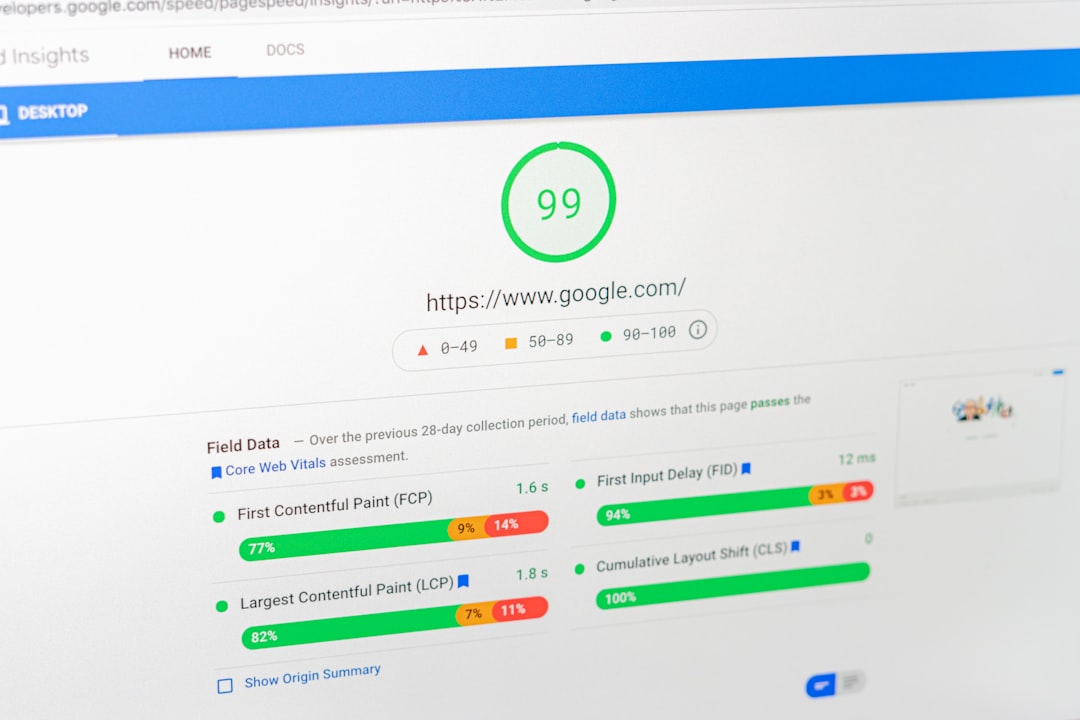
Hosting providers with optimized infrastructure and global data centers can significantly improve loading speeds for visitors worldwide.
9. Overlooking Backup Policies
Imagine waking up to find your website broken or your data missing. Without proper backups, recovery can be costly—or impossible.
Key backup considerations:
- Are backups automatic or manual?
- How frequently are backups performed?
- How long are backups stored?
- Is restoration free and simple?
A hosting provider that offers daily automatic backups with easy one-click restoration can save you enormous stress.
10. Not Researching Reputation and Reviews
Marketing claims can only tell you so much. Real user reviews often reveal patterns of behavior—good or bad.
Look for:
- Consistent complaints about downtime
- Recurring billing issues
- Poor customer support feedback
- Positive long-term user experiences
Keep in mind that no company has perfect reviews. Focus on recurring issues rather than isolated negative comments.
11. Overcomplicating or Underestimating Your Needs
Some website owners overestimate their requirements and purchase high-end dedicated servers they never fully utilize. Others underestimate their growth potential and struggle with resource limits.
Start with a clear assessment:
- What type of website are you building?
- Expected monthly traffic?
- Will you run heavy plugins or applications?
- Do you need advanced customization?
Choosing the right match ensures you don’t overspend—or restrict your future success.
Final Thoughts
Selecting a hosting provider isn’t just a technical decision—it’s a strategic one. Your website’s performance, security, and scalability all hinge on this foundation. By avoiding common mistakes like focusing solely on price, ignoring uptime guarantees, overlooking support quality, and skipping security features, you set your website up for long-term stability and growth.
Take the time to research, compare features carefully, and think beyond your immediate needs. A reliable hosting provider is not just a service—it’s a partner in your digital success.
