
How Smart Buildings Track Power Usage Without Shutting Systems Down

In modern facilities, electricity is no longer treated as a fixed overhead cost that appears only on a monthly utility bill. Smart buildings continuously measure how, when, and where power is consumed so facility teams can improve efficiency, detect faults, and support sustainability targets. The important point is that this monitoring is usually done without turning systems off, because elevators, HVAC equipment, lighting, data rooms, refrigeration, medical equipment, and security systems often cannot tolerate unnecessary interruptions.
TLDR: Smart buildings track power usage while systems remain online by using non intrusive sensors, smart meters, submeters, building management systems, and analytics software. Current transformers, power quality meters, and IoT devices can measure electrical flow without cutting power to equipment. The data is then analyzed to identify waste, faults, demand peaks, and maintenance needs. This allows building operators to improve performance while maintaining safety, comfort, and business continuity.
Why power monitoring has changed
Traditional energy management relied heavily on utility bills, manual meter readings, and occasional equipment inspections. That approach provided a broad view of total consumption, but it rarely explained which systems were responsible for demand spikes or inefficient operation. In a large building, two floors may use the same amount of electricity overall while having very different causes: poor lighting schedules, aging air handling equipment, plug loads, or malfunctioning pumps.
Smart buildings solve this problem by collecting information from many points across the electrical system. Instead of waiting for a monthly bill, operators can view near real time data from main switchboards, distribution panels, mechanical rooms, tenant spaces, and individual high value assets. This makes energy management more precise and more accountable.

The principle: measure current without interrupting it
The core reason smart buildings can track power usage without shutting systems down is that many measurement devices are designed to be non intrusive. They do not need to sit directly in the path of electricity in a way that requires cables to be disconnected. Instead, they sense electrical activity from outside the conductor or are connected at safe metering points already designed for monitoring.
One of the most common tools is the current transformer, often called a CT. A CT is fitted around an electrical conductor and measures the magnetic field created by current flowing through the wire. Split core CTs can be opened, placed around a cable, and closed again while the circuit remains energized, provided the work is performed by qualified personnel following approved safety procedures. This makes them valuable for retrofits in occupied buildings.
Voltage references, when needed, are typically taken from existing protected terminals or metering points. Combined current and voltage measurements allow meters to calculate power in kilowatts, energy in kilowatt hours, power factor, voltage imbalance, and other electrical characteristics.
Smart meters and submeters
Smart meters measure consumption at major points in the electrical system and communicate that information automatically. A utility smart meter may track whole building usage, while privately installed submeters divide the building into meaningful zones or systems.
Common submetering points include:
- Main electrical service: total building demand and consumption.
- Tenant panels: fair billing and accountability in multi tenant properties.
- HVAC equipment: chillers, boilers, pumps, fans, and air handling units.
- Lighting panels: scheduling verification and retrofit performance.
- Data rooms: critical load tracking and cooling correlation.
- Electric vehicle charging: usage allocation and demand management.
Submetering is especially useful because it converts a single building number into actionable information. If total demand rises sharply at 3 p.m., a smart building can often determine whether the cause is cooling load, lighting, EV charging, or a process load rather than guessing.
Integration with the building management system
Power monitoring becomes more valuable when connected to a building management system, or BMS. The BMS already supervises HVAC, lighting controls, alarms, schedules, temperature sensors, occupancy signals, and sometimes access control. By combining electrical data with operational data, the building can produce a clearer picture of cause and effect.
For example, if a fan motor begins drawing more current than normal while airflow remains unchanged, the system may flag a possible mechanical issue. If lighting circuits remain active after occupancy sensors show an area is empty, the BMS can identify a schedule or control fault. If chillers start at the same time each morning and create a demand peak, the control strategy may be adjusted to stagger equipment starts.
The value is not just measurement; it is context. Electricity data alone says that power increased. Building data explains why.
Power quality monitoring while equipment remains live
Smart buildings also monitor the quality of electrical power, not just the amount used. Power quality meters can detect voltage sags, swells, harmonics, transients, frequency variations, and power factor issues. These conditions may damage sensitive electronics, reduce motor efficiency, or cause nuisance trips.
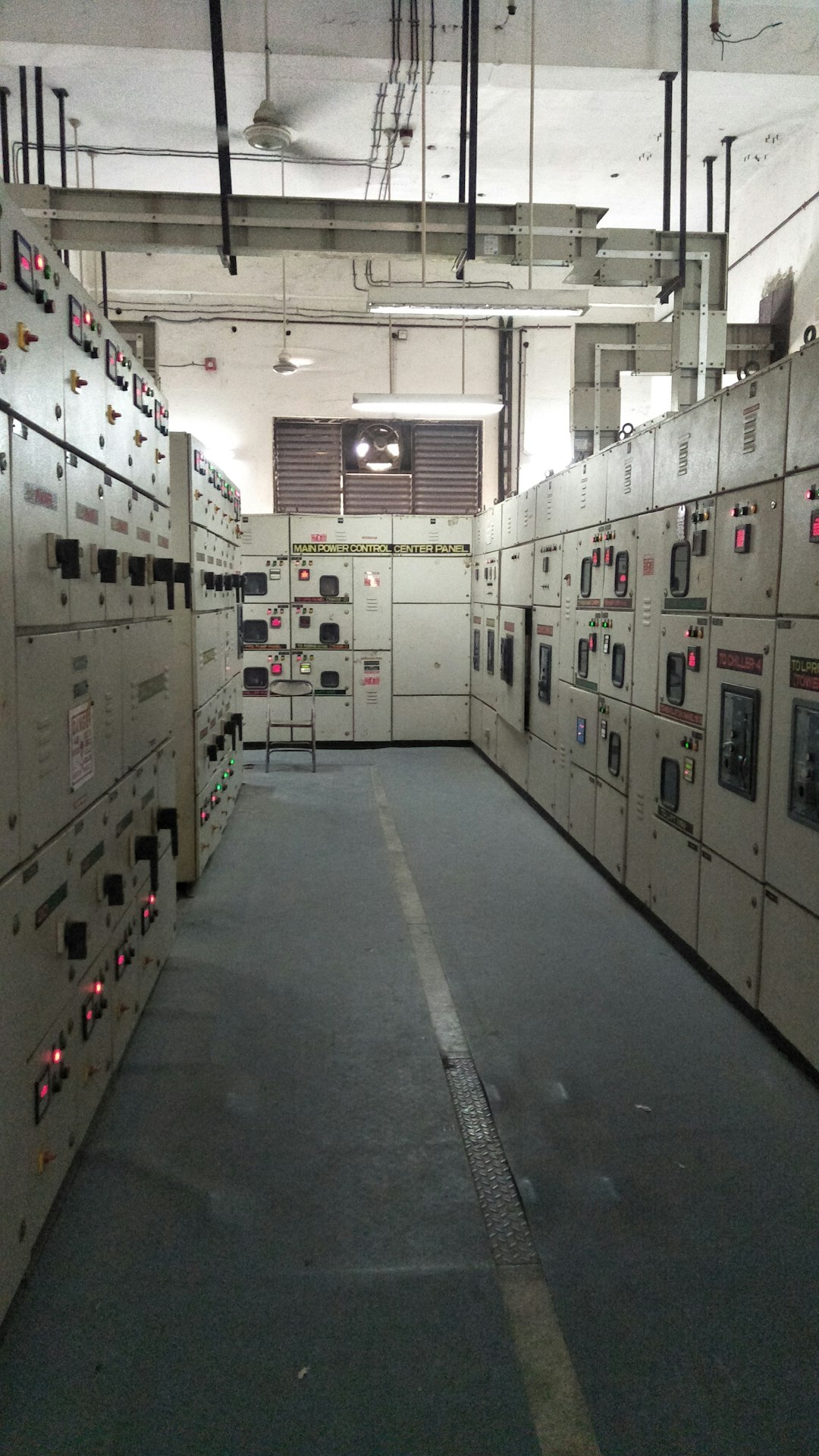
Like energy meters, many power quality devices are installed at switchboards or panels without requiring a full shutdown, although installation procedures vary by site and risk level. In some cases, temporary portable analyzers are connected for a study period, such as one week or one month. In other cases, permanent meters remain installed and feed data to the BMS or an energy management platform.
This matters because unexplained equipment failures are often blamed on the equipment itself, when the underlying cause may be unstable voltage, harmonic distortion from variable frequency drives, or poor power factor. Continuous monitoring helps identify such issues before they become expensive failures.
Non intrusive load monitoring
Some smart buildings use a technique known as non intrusive load monitoring, or NILM. Instead of placing a meter on every individual device, NILM analyzes patterns in whole building or panel level electrical data. Different loads create recognizable signatures when they turn on, operate, and shut down. A compressor, elevator motor, fan, printer bank, or lighting circuit may each show a distinct profile.
NILM is not always as exact as direct submetering, but it can provide useful insight with fewer sensors. It is particularly attractive in existing buildings where installing meters on every circuit would be expensive or disruptive. Advanced analytics can estimate which loads are operating, how often they cycle, and whether their behavior has changed over time.
Wireless sensors and IoT devices
The growth of industrial IoT technology has made power monitoring faster and more flexible. Wireless current sensors, gateway devices, and cloud based platforms can be deployed in areas where running new communication cabling would be difficult. These devices may use Wi Fi, cellular, LoRaWAN, Zigbee, or other communication methods, depending on building requirements.
Reliable smart building deployments still require professional planning. Wireless convenience does not eliminate the need for proper sensor placement, safe installation, network security, data validation, and maintenance. However, it can reduce disruption in occupied spaces such as offices, hospitals, schools, retail centers, and hotels.
How data becomes operational intelligence
Measuring power is only the first step. The greater benefit comes from translating data into decisions. Energy management software collects meter readings, timestamps them, compares them with historical performance, and displays trends through dashboards and reports.
Typical analytics include:
- Baseline comparison: showing whether current use is above or below expected levels.
- Peak demand analysis: identifying when the building creates costly demand charges.
- Fault detection: spotting equipment that draws abnormal power.
- Schedule verification: confirming whether systems shut back as intended after hours.
- Measurement and verification: proving savings from upgrades such as LED lighting or variable frequency drives.
- Carbon reporting: estimating emissions based on electricity consumption and grid factors.
For facility managers, this changes the conversation from opinion to evidence. Instead of saying that a system “seems inefficient,” they can show when consumption changed, how much it changed, and what equipment was involved.
Avoiding shutdowns during installation and maintenance
Although smart monitoring is designed to minimize interruption, safe implementation is essential. Work inside electrical panels can be dangerous, and live electrical work is governed by strict rules. Many installations can be completed without shutting down building systems, but this should never be interpreted as permission for unqualified personnel to work on energized equipment.
Responsible projects usually include:
- Site assessment: reviewing drawings, panel conditions, available space, and load priorities.
- Risk analysis: determining whether live installation is justified and permitted.
- Qualified electricians: using trained personnel with appropriate protective equipment.
- Approved devices: selecting meters and sensors rated for the electrical environment.
- Testing and commissioning: confirming readings are accurate before relying on them.
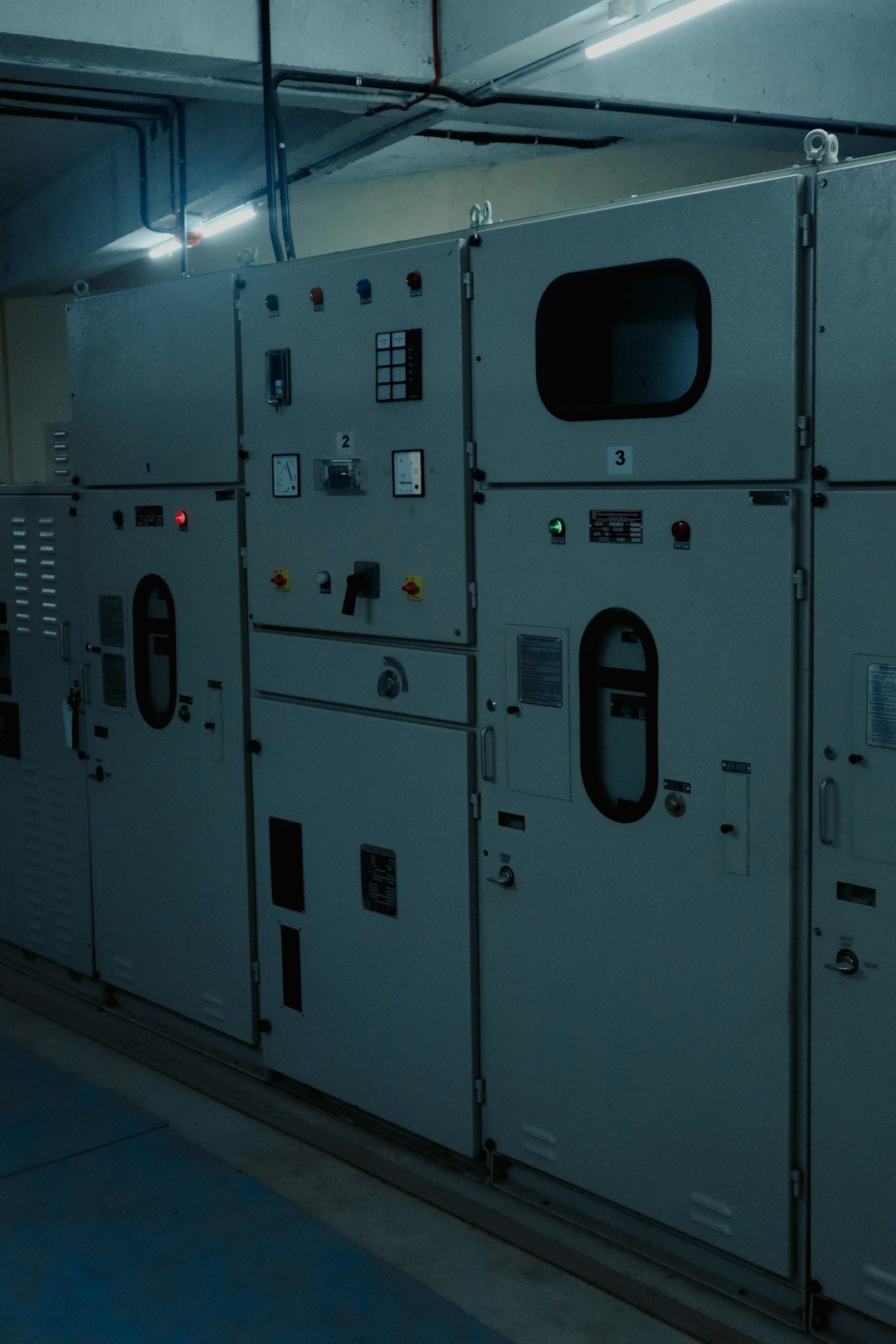
In some situations, a short planned outage may still be the safest option, especially when installing permanent equipment in older switchgear or making voltage connections. The goal is not to avoid shutdowns at any cost; it is to avoid unnecessary disruption while maintaining safety and compliance.
Accuracy, calibration, and trust in the data
For energy data to be useful, it must be trusted. Poorly installed CTs, reversed polarity, incorrect meter configuration, missing voltage references, or communication errors can produce misleading readings. A smart building program should include verification steps, not just device installation.
Commissioning teams compare meter data with known loads, utility bills, and expected equipment behavior. They check phase alignment, scaling factors, time synchronization, and communication reliability. For critical applications, meters may require periodic calibration or comparison against reference instruments.
This disciplined approach is what separates serious energy management from decorative dashboards. A display that looks modern but uses inaccurate data can lead to poor investment decisions. A properly commissioned system provides a dependable basis for action.
Cybersecurity and data governance
Because smart building meters communicate across networks, cybersecurity must be considered. Energy data can reveal occupancy patterns, operating schedules, production activity, and critical system behavior. Unauthorized access could expose sensitive information or interfere with operations.
Trustworthy deployments use secure network design, strong authentication, encrypted communication where appropriate, firmware management, and clear access controls. Data ownership should also be defined, particularly in buildings with tenants, third party service providers, and cloud analytics platforms.
Why continuous monitoring matters
The greatest advantage of tracking power usage without shutting systems down is continuity. Buildings can be observed under real operating conditions, including peak weather, normal occupancy, after hours operation, and seasonal changes. This produces a more accurate understanding than a one time audit conducted during a limited site visit.
Continuous monitoring also supports proactive maintenance. A pump that gradually draws more current may indicate bearing wear, clogging, or control problems. A rooftop unit that cycles too frequently may have a sensor issue or refrigerant problem. A panel with growing harmonic distortion may need engineering review before failures occur.
These insights help owners reduce energy waste, control costs, extend equipment life, and improve occupant comfort. In regulated or sustainability focused organizations, the same data supports compliance reporting and environmental targets.
Conclusion
Smart buildings track power usage without shutting systems down by combining non intrusive sensors, smart meters, submeters, power quality instruments, connected controls, and analytics. The technology is practical because it can often be installed around existing electrical conductors and integrated with live building operations. When implemented safely and verified carefully, it gives facility teams a reliable view of energy performance without interrupting essential services.
The result is a building that is not only connected, but better understood. Power consumption becomes visible, measurable, and manageable in real time. For organizations seeking lower costs, stronger resilience, and credible sustainability performance, that visibility is now a fundamental part of responsible building operation.
