
Is Abercrombie Considered Fast Fashion or Premium Retail?
Abercrombie & Fitch has undergone one of the most dramatic brand evolutions in modern retail. Once defined by dimly lit stores, logo-heavy apparel, and aspirational teen marketing, the company now presents itself as a refined lifestyle brand with elevated basics and contemporary tailoring. This transformation has sparked an important question for investors, consumers, and industry analysts alike: Is Abercrombie considered fast fashion, or does it belong in the premium retail segment? The answer is more nuanced than a simple label.
TLDR: Abercrombie & Fitch sits in a hybrid position between fast fashion and premium retail. While it adopts trend responsiveness and seasonal refresh strategies similar to fast fashion, its pricing, fabric quality, brand positioning, and store experience align more closely with accessible premium or “masstige” retail. It is not ultra-fast fashion like Shein or Zara, but it also does not fully operate as a luxury brand. Instead, it occupies a strategic middle ground that has fueled its recent success.
Understanding Fast Fashion
To determine where Abercrombie fits, we must first define fast fashion. Fast fashion brands are characterized by:
- Rapid production cycles that move trends from runway to store in weeks.
- Low price points designed for high turnover.
- Trend-driven inventory with frequent seasonal drops.
- High-volume purchasing behavior encouraged by affordability.
- Outsourced global manufacturing prioritizing cost efficiency.
Companies like Zara, H&M, and Shein exemplify this model. They minimize unit costs and maximize turnaround speed. Their competitive edge lies in responding quickly to viral trends and offering accessible prices that encourage impulse buying.
Fast fashion is often criticized for:
- Environmental impact due to overproduction
- Lower product durability
- Supply chain transparency concerns
The core of the fast fashion model is speed and affordability above all else.
Defining Premium Retail
Premium retail, on the other hand, operates under different principles. Premium brands typically emphasize:
- Elevated materials and construction quality
- Higher price points
- Strong brand storytelling and lifestyle positioning
- Curated product collections rather than constant trend churn
- Enhanced in-store and digital experiences
Premium retail stops short of luxury, but it appeals to consumers seeking durability, sophistication, and brand credibility. Examples include brands like Reiss, Theory, and certain collections from J.Crew or Banana Republic.
Premium retailers invest in perceived value rather than pure affordability.
Abercrombie’s Historical Identity
In the early 2000s, Abercrombie & Fitch operated in a category of its own. It commanded mid-to-high prices for casual American apparel, relying on aspirational branding and exclusivity. The moose logo was prominently displayed, and marketing centered around youth, image, and status.
However, this strategy eventually weakened. Consumer tastes shifted toward minimalism and inclusivity. Logo-heavy apparel fell out of favor, and competitors moved quicker with trend-based offerings.
This forced Abercrombie to reassess its positioning.
The Brand Transformation
Beginning in the late 2010s, Abercrombie implemented significant changes:
- Removed aggressive logo branding from most pieces.
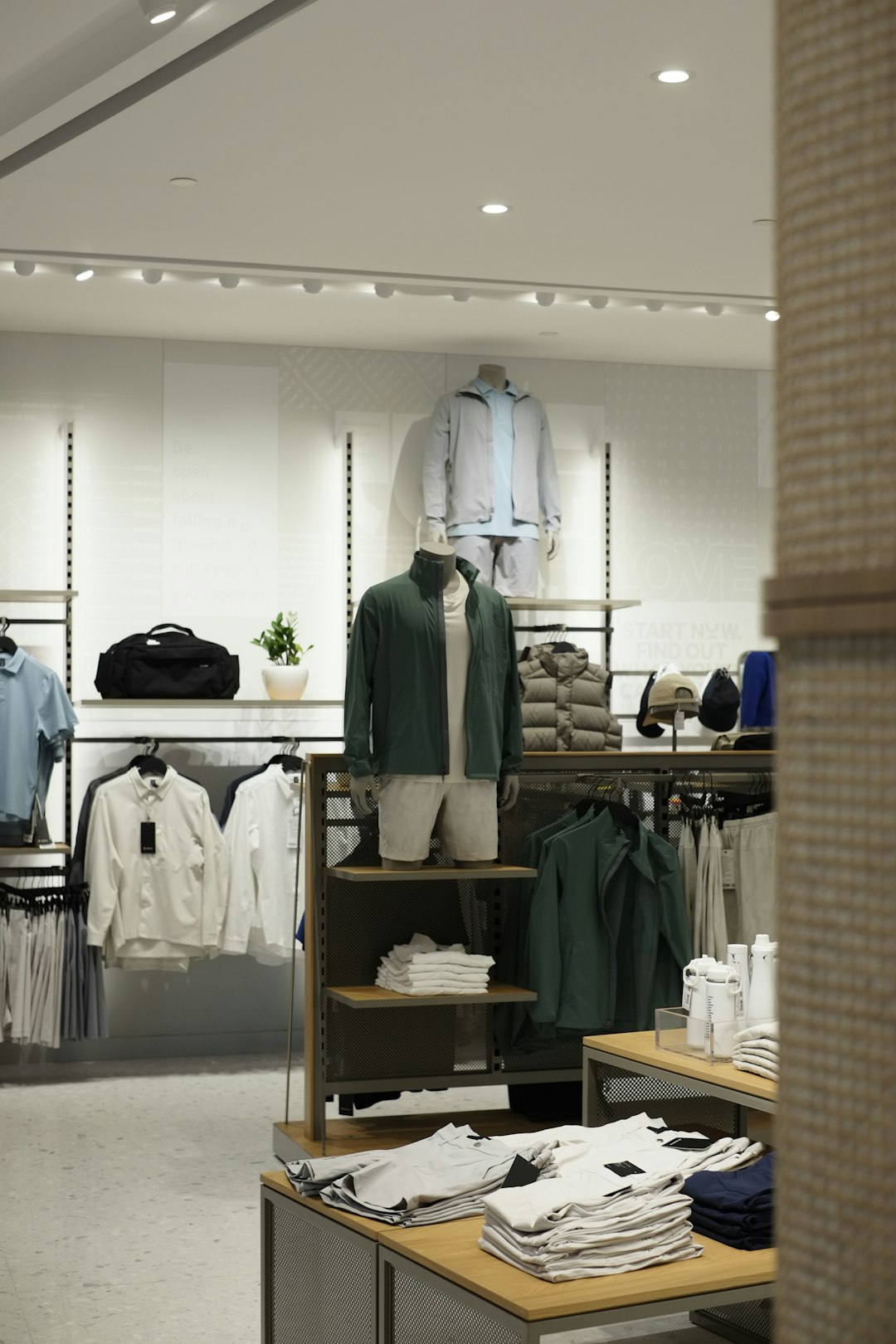
- Redesigned stores with brighter, modern layouts.
- Expanded size inclusivity.
- Introduced tailored silhouettes and elevated fabrics.
- Focused on versatile wardrobe staples rather than purely trend-based items.
Today, the brand emphasizes clean lines, neutral palettes, and refined casual wear. Many of its best-selling items include tailored trousers, high-quality denim, knitwear, and structured outerwear.
Where Abercrombie Aligns with Fast Fashion
Despite its repositioning, Abercrombie does share characteristics with fast fashion:
1. Trend Responsiveness
The brand remains responsive to social media-driven trends. Viral items—particularly dresses and denim styles—often influence rapid restocking and new variations.
2. Seasonal Drops
Collections change regularly, maintaining consumer interest and driving repeat visits.
3. Global Manufacturing
Like most mid-tier apparel companies, Abercrombie relies on international suppliers to manage production costs.
However, the speed of production is not as aggressive as ultra-fast-fashion competitors.

Where Abercrombie Aligns with Premium Retail
The stronger argument places Abercrombie closer to premium retail, particularly in the following areas:
1. Fabric Quality and Construction
Recent collections have incorporated higher-grade denim, structured tailoring, and substantial knit fabrics. Garments often feel heavier and more durable compared to fast fashion equivalents.
2. Pricing Strategy
Abercrombie’s price points sit well above fast fashion averages:
- Jeans: Typically $90–$120
- Blazers: Around $150–$200
- Dresses: Frequently $100+
These prices exceed what fast fashion customers expect, positioning the brand as accessible premium rather than budget-focused.
3. Brand Positioning
Marketing now focuses on lifestyle, confidence, and aspirational yet attainable adulthood. The tone is polished rather than impulsive.
4. Product Longevity
Core pieces are designed to last beyond a single season, encouraging wardrobe-building rather than short-term consumption.
Comparison Chart: Fast Fashion vs Premium Retail vs Abercrombie
| Category | Fast Fashion | Premium Retail | Abercrombie |
|---|---|---|---|
| Production Speed | Very high | Moderate | Moderate |
| Price Point | Low | Mid to high | Mid to high |
| Fabric Quality | Variable to low | Higher grade | Improving and mid to high |
| Trend Focus | Highly trend driven | Balanced with timeless styles | Balanced |
| Brand Image | Accessible and trendy | Sophisticated lifestyle | Modern lifestyle |
The “Masstige” Category: A More Accurate Label?
Industry analysts increasingly describe brands like Abercrombie as operating in the masstige space—a blend of “mass” and “prestige.”
Masstige brands aim to deliver elevated design and materials while maintaining broader accessibility than luxury houses. They attract consumers who are willing to pay more than fast fashion prices but are not entering designer territory.
Abercrombie’s current strategy aligns closely with this definition:
- Elevated but not luxury pricing
- Improved ethics and inclusivity messaging
- Polished yet widely accessible branding
Consumer Perception Matters
One of the strongest indicators of category alignment is customer perception. Surveys and social media commentary increasingly describe Abercrombie as:
- “High-quality basics”
- “Investment staples”
- “Modern workwear and occasion wear”
This language differs significantly from how fast fashion brands are typically described, which often centers around affordability and trendiness.
Moreover, many consumers now compare Abercrombie’s tailoring and dresses to mid-range contemporary brands rather than Zara or H&M.
Sustainability and Long-Term Strategy
Another differentiating factor is sustainability commitment. While not a sustainability leader, Abercrombie has increased transparency reporting and implemented responsible sourcing goals.
Fast fashion brands often face criticism for ultra-low-cost production models that encourage overconsumption. Abercrombie’s higher pricing inherently discourages disposable consumption patterns.
This does not remove all environmental concerns, but it shifts the consumption dynamic toward fewer, better items.
Financial Performance as Evidence
Abercrombie’s recent financial growth further supports its repositioning. Improved margins and strong sales in tailored apparel indicate customers accept higher price points for perceived value.
Fast fashion companies typically compete on volume. Abercrombie’s performance suggests success derived from brand equity and product quality, not merely discounting or mass production.
Final Assessment
So, is Abercrombie considered fast fashion or premium retail?
The evidence suggests it is not purely fast fashion. While it retains some operational similarities—such as global sourcing and trend awareness—its pricing, fabric quality, and strategic positioning align more closely with premium retail.
At the same time, it is not a traditional premium heritage brand with artisanal production or luxury exclusivity.
It occupies a carefully calibrated middle segment:
- Higher quality than fast fashion
- More accessible than luxury
- Trend-aware but not trend-dependent
In conclusion, Abercrombie & Fitch should be viewed as an accessible premium or masstige retailer rather than a fast fashion brand. Its transformation demonstrates how legacy companies can reposition themselves through improved quality, updated branding, and strategic pricing. For consumers seeking contemporary, well-constructed wardrobe staples without entering luxury price territory, Abercrombie represents a balanced and increasingly respected choice in modern retail.
