
How to Turn Your House Into a Smart Home Without Major Renovations
Turning a traditional house into a smart home no longer requires tearing down walls, replacing wiring, or committing to months of renovation. Today’s smart technology is designed with retrofit installations in mind, allowing homeowners to upgrade comfort, security, and efficiency with minimal disruption. Whether you live in a house, apartment, or rented property, you can create an integrated and intelligent environment using wireless devices, cloud-based systems, and scalable platforms.
TLDR: You can transform your house into a smart home without major renovations by using wireless devices, smart hubs, and app-controlled systems. Start with essentials like lighting, security, and climate control, then expand gradually. Focus on compatibility, reliable connectivity, and layered security. Smart upgrades today are affordable, non-invasive, and designed for easy self-installation.
Start With a Strong Foundation: Your Wi-Fi Network
A reliable internet connection is the backbone of every smart home. Before investing in devices, assess the strength and coverage of your Wi-Fi network. Many frustrations associated with smart home systems stem from weak signals or inconsistent connectivity.
- Upgrade your router if it is more than three to five years old.
- Consider a mesh Wi-Fi system for larger homes or areas with weak coverage.
- Secure your network with strong passwords and updated encryption.
These steps require no structural changes but dramatically increase reliability. Without stable connectivity, even the most advanced smart devices will underperform.
Install Smart Lighting for Immediate Impact
Smart lighting offers one of the easiest and most visible upgrades. You can replace traditional bulbs with smart LED bulbs that connect via Wi-Fi, Zigbee, or Bluetooth.
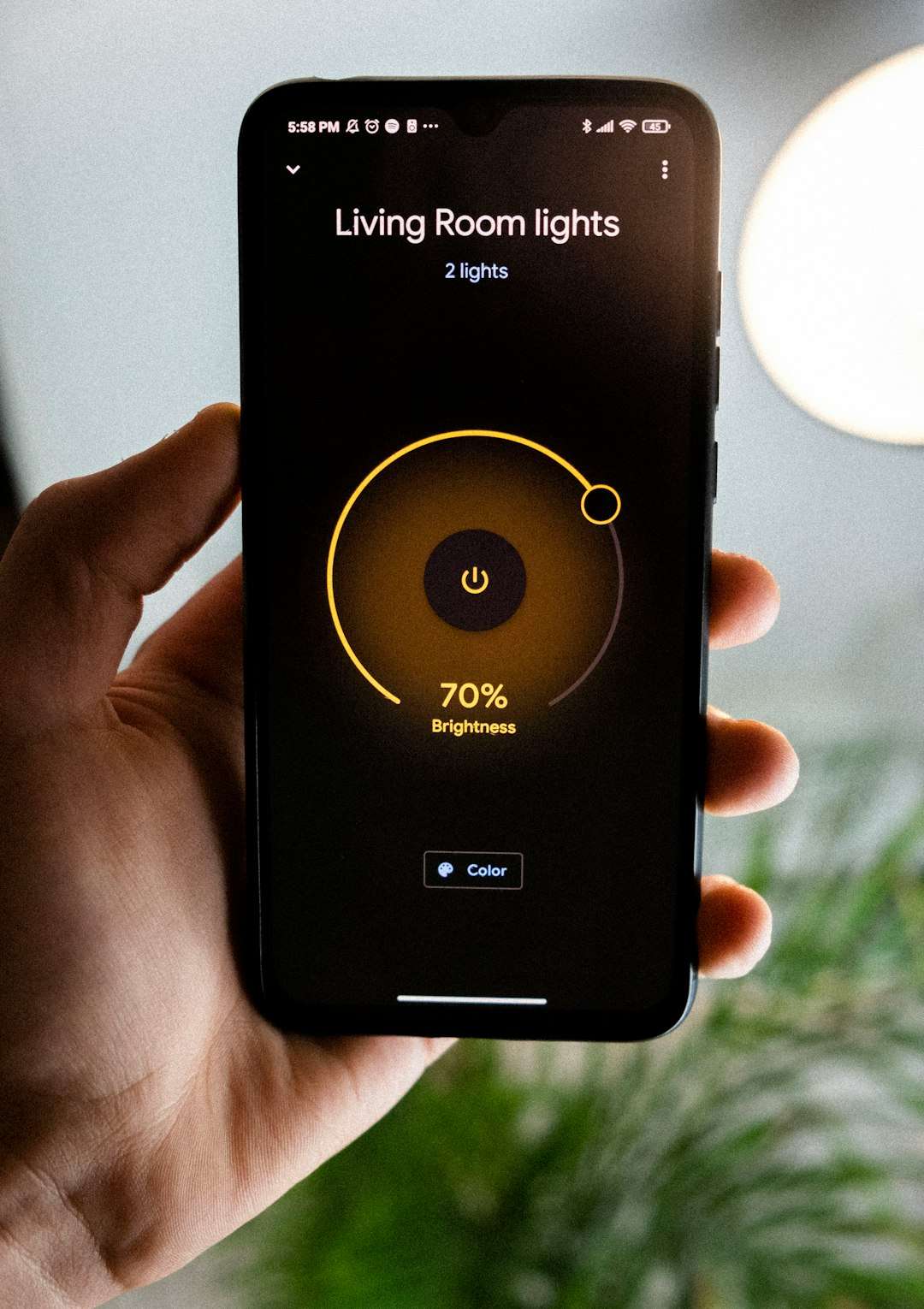
With smart lighting, you can:
- Control brightness and color from a smartphone.
- Set schedules for automatic on/off operation.
- Create scenes for work, relaxation, or entertainment.
- Integrate voice control using virtual assistants.
Installation usually involves nothing more than screwing in the bulb and connecting it to an app. For a more unified system, smart switches can replace traditional switches without altering wall structures. These switches maintain conventional wiring but add remote control and automation features.
Tip: If you rent your home, stick with smart bulbs and plug-in lamps to avoid altering fixtures.
Enhance Security With Wireless Solutions
Modern home security systems are designed for simple installation. Wireless cameras, smart doorbells, and motion sensors can be mounted using screws or adhesive mounts, eliminating the need for running cables through walls.
Core security additions include:
- Smart doorbells with two-way audio and real-time alerts.
- Indoor and outdoor cameras with cloud storage options.
- Smart locks that replace existing deadbolts without modifying doors.
- Window and door sensors for intrusion detection.
These devices provide remote monitoring and instant notifications while preserving your home’s physical structure. Many systems also integrate with professional monitoring services if you require an added layer of protection.
Upgrade Climate Control With Smart Thermostats
Heating and cooling account for a significant portion of household energy use. A smart thermostat improves efficiency while remaining relatively easy to install.
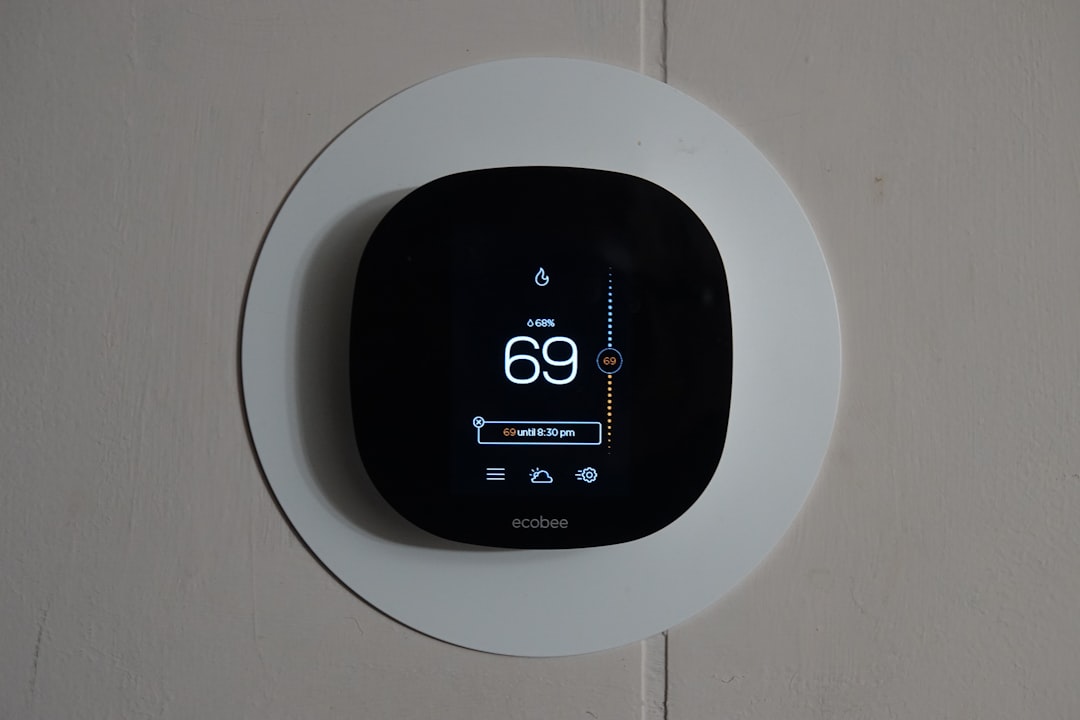
Most smart thermostats are compatible with existing HVAC wiring and come with step-by-step installation instructions. Once installed, they offer:
- Remote temperature control.
- Energy usage reports.
- Learning algorithms that adjust based on your habits.
- Zonal temperature management when paired with smart vents.
By optimizing climate control, homeowners often see reduced utility bills without altering ductwork or structural elements.
Introduce Smart Plugs for Versatility
Smart plugs are among the most versatile smart home devices available. They plug directly into existing outlets and allow you to control traditional appliances through a mobile app.
Use smart plugs to automate:
- Coffee makers
- Space heaters
- Fans
- Lamps
- Holiday lighting
This approach allows you to convert ordinary devices into smart devices without replacing them. Smart plugs are particularly useful for homeowners who prefer incremental upgrades rather than full system replacements.
Build a Centralized Control System
While many smart devices operate independently, integrating them into a centralized system improves efficiency and usability. You can use:
- Voice assistants for hands-free control.
- Smart hubs that connect multiple protocols.
- Unified apps that manage all devices in one interface.
A hub-based system ensures compatibility among devices using different communication standards. Choosing products within a single ecosystem simplifies setup and reduces technical conflicts.
Important: Before purchasing devices, verify compatibility with your preferred virtual assistant or hub to avoid fragmented control.
Add Intelligent Window Treatments
Motorized blinds and smart shades offer convenience and energy efficiency. Many products are battery-powered and installed using existing brackets or simple mounting systems.
Benefits include:
- Automated light control.
- Improved insulation during extreme weather.
- Privacy scheduling.
- Integration with sunrise and sunset cycles.
These upgrades do not require window replacement or construction work, making them particularly suitable for retrofit projects.
Improve Home Entertainment Systems
Smart speakers and streaming devices modernize home entertainment instantly. Instead of rewiring your home for multi-room audio, you can distribute sound wirelessly using Wi-Fi-connected speakers.
Consider the following additions:
- Streaming sticks for existing televisions.
- Multi-room audio systems.
- Universal smart remotes.
This approach allows synchronized audio experiences and centralized control without installing in-wall components.
Focus on Automation and Routines
The real power of a smart home lies not merely in device control but in automation. By creating routines, you can orchestrate multiple actions based on time, location, or sensor input.
Examples include:
- A “Good Morning” routine that adjusts lights, raises blinds, and sets the thermostat.
- An “Away Mode” that locks doors, activates cameras, and lowers energy consumption.
- A “Night Mode” that dims lights and activates perimeter security.
These automations enhance convenience while increasing energy efficiency and security—all without structural modifications.
Maintain Privacy and Security Standards
As you expand your smart ecosystem, prioritize cybersecurity. Each connected device represents a potential access point.
Best practices include:
- Regularly updating firmware.
- Using two-factor authentication.
- Separating smart devices onto a guest network.
- Reviewing manufacturer privacy policies.
By securing your digital infrastructure, you protect your household from data breaches and unauthorized access.
Plan Gradual Expansion
A common misconception is that a smart home must be built in a single phase. In reality, incremental upgrades often produce better results. Start with high-impact, low-cost devices and expand based on your needs.
Phase 1: Lighting and smart plugs.
Phase 2: Security and climate control.
Phase 3: Automation and integrated entertainment.
Phase 4: Advanced energy management and specialized systems.
This staged approach controls expenses while allowing you to evaluate performance at each step.
Consider Energy Monitoring
Smart energy monitors can be installed at the electrical panel without rewiring your home. These devices provide detailed insights into energy consumption, identifying inefficiencies and enabling proactive management.
With real-time data, homeowners can:
- Detect abnormal usage patterns.
- Adjust appliance schedules.
- Lower overall energy costs.
Such tools add intelligence to your home’s infrastructure without involving construction work.
Evaluate Cost Versus Value
Smart home improvements often increase property appeal. However, prioritize upgrades that align with your daily routines rather than novelty devices. Practical investments—such as climate control and security—typically provide greater long-term value than purely aesthetic enhancements.
Before purchasing, assess:
- Installation complexity.
- Compatibility with existing systems.
- Long-term support from the manufacturer.
- Energy-saving potential.
An informed, strategic approach yields a smart home that is cohesive, scalable, and sustainable.
Conclusion
Transforming your house into a smart home no longer requires major renovations or structural changes. Through wireless technology, modular devices, and centralized platforms, homeowners can implement meaningful upgrades quickly and efficiently. By starting with strong connectivity, expanding through lighting and security, and integrating automation gradually, you create a system tailored to your lifestyle. With careful planning and attention to privacy, your home can become smarter, safer, and more efficient—without ever opening up a wall.
