
Food Truck Catering Packages Explained: What’s Usually Included and What to Expect

Food truck catering has become a popular choice for weddings, corporate events, festivals, private parties, and community gatherings because it combines fresh food, visual appeal, and a relaxed guest experience. Instead of a traditional buffet or plated meal, a mobile kitchen arrives on site, prepares food to order or in batches, and serves guests directly from the truck or a nearby service station.
TLDR: Food truck catering packages usually include a set menu, a defined service window, staffing, basic serving supplies, and the truck’s setup for the event. Pricing often depends on guest count, menu complexity, travel distance, service time, and whether the host wants extras such as drinks, desserts, or late-night snacks. A successful booking depends on clear communication about space, power, permits, timing, and the expected number of guests.
What a Food Truck Catering Package Usually Includes
A standard food truck catering package is designed to make event meal service simple and efficient. While every vendor has a slightly different structure, most packages include food preparation, on-site service, staff, and basic supplies. The truck typically arrives before the event begins, sets up in an approved location, serves guests for a contracted period, and then cleans its immediate service area before leaving.
The most common inclusions are:
- A curated menu: This may include a limited selection of entrees, sides, and sometimes desserts.
- A service window: Many packages include one to three hours of active food service.
- Staffing: The truck usually brings cooks, servers, or cashiers depending on the event format.
- Disposable serving items: Plates, napkins, utensils, trays, or food boats are often included.
- Setup and breakdown: The vendor handles the truck setup and cleanup of its own equipment.
- Basic condiments: Sauces, toppings, and garnishes may be provided as part of the selected menu.
Some packages are all-inclusive, while others are more basic and allow hosts to add features as needed. For that reason, event planners often compare not only the price but also the exact list of inclusions.

Common Types of Food Truck Catering Packages
Food truck catering is not one-size-fits-all. Vendors usually offer several package styles to match different events, budgets, and guest expectations. The most common options include per-person packages, minimum spend packages, ticketed service, and open sales.
Per-person packages are often used for weddings, private parties, and corporate lunches. The host pays a fixed amount for each guest, and the food truck serves from an agreed menu. This is one of the easiest formats for budgeting because the cost is predictable.
Minimum spend packages require the host to guarantee a certain dollar amount in sales. If guest purchases do not reach that amount, the host pays the difference. This model is common for public events or casual gatherings where guests may pay for their own meals.
Ticketed service uses meal vouchers or wristbands. Guests receive a ticket that can be exchanged for a meal, and the host is billed based on the number of tickets used or pre-purchased. This method works well for employee appreciation days, school events, and conferences.
Open sales allow guests to buy food directly from the truck. In this arrangement, the host may not pay for meals, but there may still be a booking fee, travel fee, or minimum guarantee. This format is most common for markets, festivals, and neighborhood events.
Menu Options and Customization
The menu is one of the biggest advantages of food truck catering. Trucks often specialize in a specific cuisine or food type, such as tacos, burgers, barbecue, pizza, seafood, crepes, ice cream, coffee, or vegan street food. Many vendors provide a streamlined event menu rather than the full menu offered during regular public service.
A smaller menu helps the truck serve guests faster and maintain quality. For example, a taco truck might offer three protein choices, two sides, and a salsa bar. A burger truck might offer a classic burger, a vegetarian burger, fries, and a specialty sauce. A dessert truck may offer a fixed number of flavors or toppings.
Customization may be available, especially for larger events. A host may request signature menu items, branded menu boards, themed dishes, or dietary accommodations. However, heavy customization can increase costs because it may require special ingredients, extra prep time, or additional staff.
Most professional food truck caterers can account for common dietary needs, including:
- Vegetarian options
- Vegan options
- Gluten-free choices
- Dairy-free alternatives
- Nut-free preparation considerations
- Kid-friendly portions
Because food trucks work in compact kitchens, allergen safety should be discussed clearly. A vendor may be able to reduce cross-contact risk, but not all trucks can guarantee a completely allergen-free environment.
Staffing and Service Style
Staffing is generally included in food truck catering packages, but the number of staff members depends on the event size and service style. A smaller private party may require only two people inside the truck, while a large corporate event may need multiple cooks, runners, and a separate attendant for drinks or desserts.
There are two main service styles: made-to-order service and batch service. Made-to-order service gives guests a fresher, more customized experience, but it can create longer lines. Batch service allows the truck to prepare items in advance and serve them quickly, which is better for tight schedules or large guest counts.
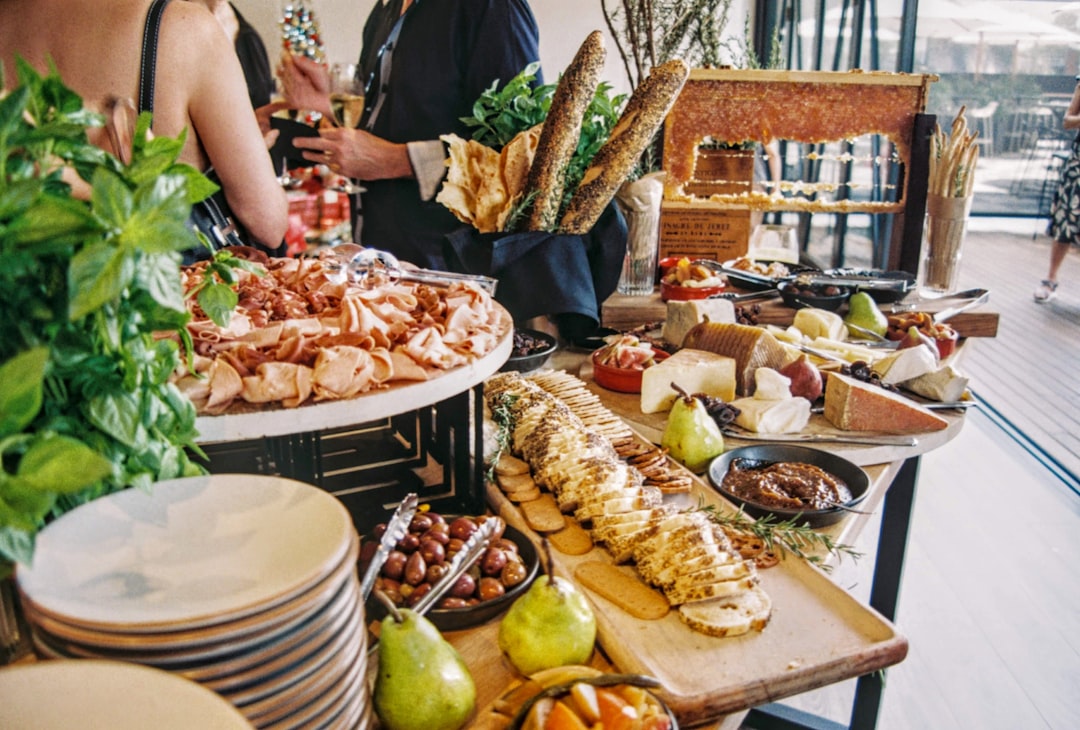
Some trucks also offer buffet-style service outside the truck. In that case, food may be prepared in the mobile kitchen and placed on tables under tents or warmers. This can help move guests through the meal faster, especially when the event has a formal timeline.
Pricing: What Affects the Cost?
Food truck catering prices vary widely based on location, cuisine, event size, and package details. A simple lunch service may cost far less than a wedding reception with appetizers, entrees, desserts, and late-night snacks. Still, most pricing is influenced by several predictable factors.
- Guest count: More guests usually mean more food, staff, prep time, and supplies.
- Menu complexity: Premium ingredients, slow-cooked items, or customized dishes may raise the price.
- Service duration: Longer service windows may require additional labor fees.
- Travel distance: Trucks may charge mileage or travel fees outside a standard service area.
- Event date: Weekends, holidays, and peak wedding seasons can be more expensive.
- Setup requirements: Difficult access, long walks from parking, or special equipment may add cost.
- Permits and venue rules: Some locations require permits, insurance documents, or fire inspections.
Many food trucks have a minimum fee to make the event worthwhile. This minimum covers the cost of food, fuel, labor, preparation, and the opportunity cost of not serving elsewhere. For private events, the host should expect either a minimum guest count or a minimum spend requirement.
What May Not Be Included
Hosts sometimes assume that a food truck package includes everything related to event dining, but some services may cost extra or be excluded. It is important for planners to ask detailed questions before signing a contract.
Items that may not be included are:
- Tables, chairs, or guest seating
- Trash removal beyond the truck’s service area
- Event-wide cleanup
- Alcohol service or bartending
- Decorations, linens, or centerpieces
- Power generators, unless specifically listed
- Permits, parking fees, or venue access fees
- Extra service hours
Some trucks bring their own generator and water supply, while others require access to electricity or water. The host should confirm these details with both the vendor and the venue. A beautiful outdoor location may not be practical if the truck cannot park close enough or operate legally in the space.
Logistics to Expect on Event Day
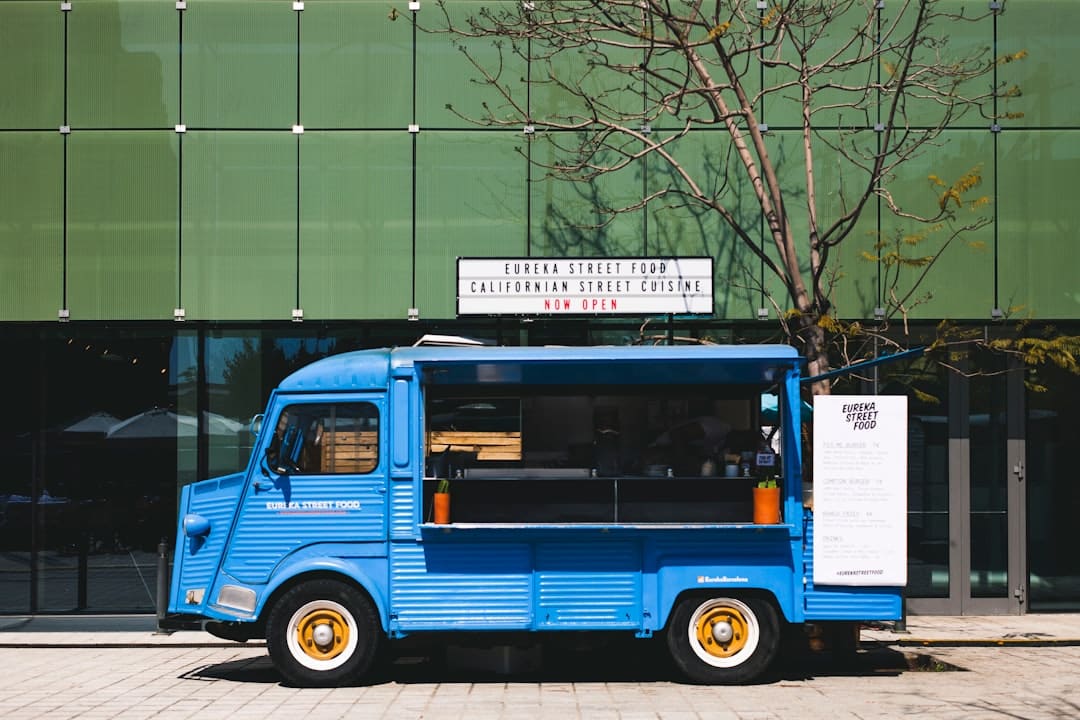
Before the event, the caterer typically confirms the arrival time, parking location, menu, guest count, and service schedule. The truck often arrives 45 minutes to two hours before service begins, depending on the setup. Larger events may require an earlier arrival for inspections, equipment staging, or coordination with other vendors.
The truck needs a safe, level parking space with enough room for guests to line up without blocking entrances, roads, or emergency access. Venues may require proof of insurance, business licenses, health permits, fire safety documents, or a certificate of additional insured status.
During service, guests usually order at the window or collect pre-selected meals. Lines are normal, but a skilled caterer will plan the menu and staffing to keep movement steady. For formal events, planners may schedule guests by table or group to avoid one long rush.
After service, the truck will pack up, remove its own cooking equipment, and clean its immediate work area. However, the host or venue may still be responsible for general event trash, dining tables, and guest areas.
How to Choose the Right Package
The best food truck catering package is the one that fits the event’s tone, timeline, budget, and guest preferences. A casual birthday party may only need a simple per-person meal package, while a wedding may require appetizers, multiple entree choices, dessert, and coordinated service times.
Event planners should review the following before booking:
- The estimated guest count and whether it may change
- The preferred cuisine and any dietary restrictions
- The event schedule, including speeches, ceremonies, or entertainment
- The venue’s rules for mobile caterers
- The total cost, including taxes, gratuity, travel, and add-ons
- The cancellation policy and weather-related terms
- The service speed needed for the event size
A written contract is essential. It should list the menu, event date, service hours, payment terms, cancellation rules, insurance requirements, and all included services. Clear documentation helps prevent misunderstandings and gives both the host and the caterer a shared plan.
Final Thoughts
Food truck catering packages can be flexible, memorable, and efficient when the details are handled properly. They usually include a focused menu, on-site staff, serving supplies, and a set period of service, but hosts should always confirm what is and is not included. With the right package, a food truck can do more than feed guests; it can become part of the event experience itself.
FAQ
What is usually included in a food truck catering package?
Most packages include the selected menu, food preparation, on-site service, staff, basic disposable serving supplies, setup, and breakdown of the truck’s own equipment.
How much does food truck catering cost?
Costs vary depending on guest count, menu, location, event date, and service length. Many trucks require either a per-person fee, a minimum spend, or a flat catering minimum.
Do food trucks provide tables and chairs?
Usually, they do not. Food trucks typically provide food service only, while seating, tables, linens, and guest dining areas are arranged by the host or venue.
Can food trucks handle dietary restrictions?
Many food trucks can provide vegetarian, vegan, gluten-free, or dairy-free options. However, allergen procedures should be discussed in advance because mobile kitchens have limited space.
How far in advance should a food truck be booked?
For weddings, corporate events, and peak-season dates, booking several months in advance is recommended. Smaller events may have more flexibility, but popular trucks can fill their calendars quickly.
Does the host need to arrange permits?
Permit responsibility depends on the location and local regulations. Some vendors handle permits, while others require the host or venue to secure approvals, parking access, or fire inspection clearance.
How long does food truck service usually last?
Most catering packages include one to three hours of service. Additional time may be available for an extra fee.
What happens if it rains?
Weather policies vary by vendor. Some trucks can operate in light rain if parking and guest access remain safe, while severe weather may require rescheduling, cancellation terms, or an alternate service plan.
