
Best BigCharts Alternatives for Stock Charting and Market Analysis (2026)
For years, BigCharts has been a familiar stop for investors who want quick stock charts, historical prices, and basic market snapshots without a steep learning curve. But by 2026, traders and long-term investors expect more: real-time data, cleaner interfaces, advanced indicators, screeners, AI-assisted research, mobile access, social insights, and multi-asset coverage. If BigCharts feels too limited for your workflow, the good news is that there are several excellent alternatives for stock charting and market analysis.
TLDR: The best BigCharts alternatives in 2026 include TradingView for overall charting, StockCharts for technical analysis, Koyfin for fundamental research, TrendSpider for automation, and Finviz for fast screening. Casual investors may prefer Yahoo Finance or Investing.com, while active traders may benefit from thinkorswim, TC2000, or Interactive Brokers. The right choice depends on whether you need simple charts, professional research, automated analysis, or trading integration.
Why Look for a BigCharts Alternative in 2026?
BigCharts is still useful for quick historical charts and basic market information, but it has not evolved as quickly as modern trading platforms. Today’s investors often want charting tools that combine speed, customization, data depth, and usability. They also want platforms that work well on mobile devices and support more than just U.S. stocks.
Common reasons investors search for BigCharts alternatives include:
- More advanced technical indicators such as volume profile, VWAP, Ichimoku clouds, and custom scripts.
- Better screeners for finding stocks based on valuation, momentum, earnings growth, insider activity, or technical patterns.
- Modern interfaces that are faster, cleaner, and easier to personalize.
- Multi-asset coverage including ETFs, futures, forex, crypto, bonds, and global equities.
- Real-time or near real-time data for active traders who cannot rely on delayed quotes.

1. TradingView: Best Overall BigCharts Alternative
TradingView is arguably the most popular charting platform in the world, and for good reason. It combines beautiful charts, a huge selection of indicators, powerful drawing tools, market screeners, community ideas, alerts, and broker integrations. For many users, it is the natural upgrade from BigCharts.
TradingView is especially strong because it works well for both beginners and advanced traders. You can open a chart, add a moving average, and check a stock in seconds. Or you can build custom indicators using Pine Script, create multi-condition alerts, compare assets, and follow trading ideas from other market participants.
Best for: Investors and traders who want a polished, flexible, all-in-one charting platform.
Key strengths:
- Excellent chart design and customization
- Large library of indicators and drawing tools
- Custom scripting with Pine Script
- Strong community and shared trade ideas
- Coverage across stocks, ETFs, crypto, forex, futures, and more
Potential drawback: Some real-time exchange data and advanced features require paid plans or data subscriptions.
2. StockCharts: Best for Classic Technical Analysis
StockCharts is one of the closest spiritual alternatives to BigCharts, but with much deeper technical analysis capabilities. It has been around for decades and remains popular among chart-focused investors who like clean, structured tools without the noise of social trading feeds.
The platform offers sharp chart styles, market breadth indicators, relative strength tools, point and figure charts, sector analysis, and curated market commentary. Its predefined scans and technical chart lists are particularly useful for traders who want to identify setups based on price and volume behavior.
Best for: Technical analysts, swing traders, and investors who like disciplined chart review.
Key strengths:
- Strong technical charting foundation
- Useful market breadth and sector tools
- Prebuilt and custom technical scans
- Excellent educational content
- Reliable for end-of-day analysis
Potential drawback: The interface is more traditional than modern web apps like TradingView.
3. Koyfin: Best for Fundamental Market Research
If your investing process goes beyond chart patterns, Koyfin is one of the best BigCharts alternatives for market analysis. It is often described as a modern, more accessible alternative to institutional research terminals. Koyfin combines financial statements, valuation metrics, macro data, analyst estimates, transcripts, charts, watchlists, and dashboards.
What makes Koyfin stand out is its ability to connect the dots between stock prices and business fundamentals. You can analyze revenue growth, margins, valuation multiples, debt levels, dividend history, earnings revisions, sector performance, and macroeconomic trends in one place.
Best for: Long-term investors, analysts, and portfolio managers who care about fundamentals.
Key strengths:
- Excellent company financials and valuation tools
- Custom dashboards and watchlists
- Macro, ETF, mutual fund, and global market coverage
- Clean interface for professional research
- Useful charting for fundamentals and price data
Potential drawback: It is not primarily built for high-speed active trading or complex technical strategies.
4. TrendSpider: Best for Automated Technical Analysis
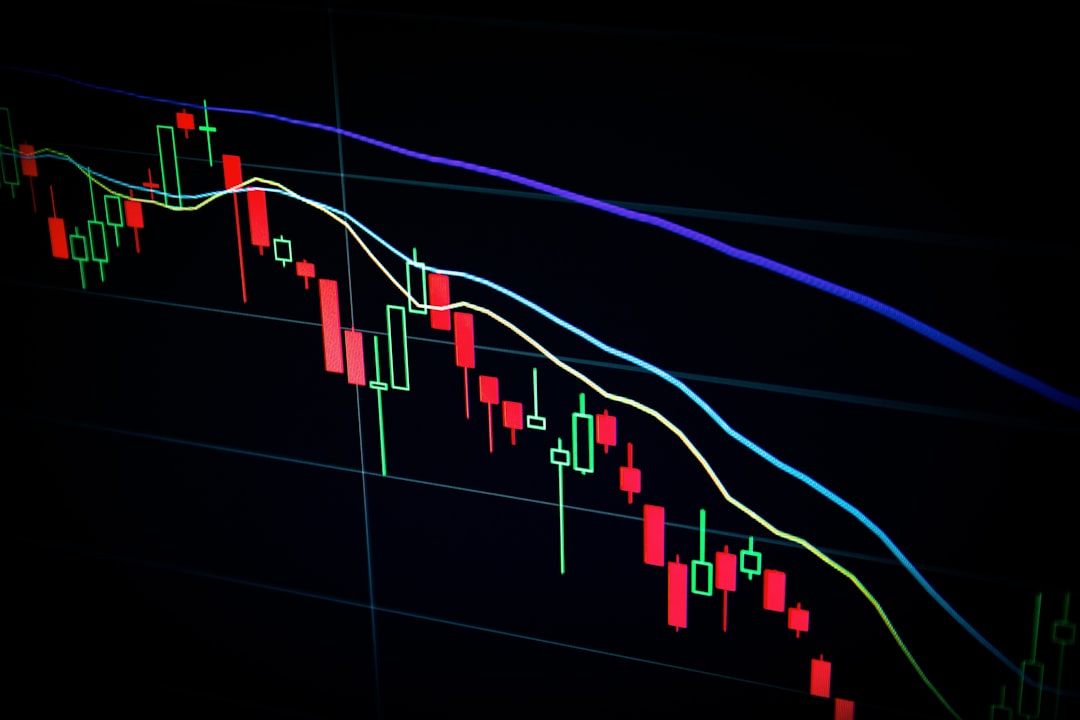
TrendSpider is ideal for traders who want technology to do more of the heavy lifting. Its standout features include automated trendline detection, dynamic price alerts, multi-timeframe analysis, backtesting, seasonality tools, and pattern recognition.
Instead of manually drawing every support and resistance level, TrendSpider can identify potential levels automatically. Traders can also create alerts that trigger only when multiple technical conditions are met, which helps reduce noise and emotional decision-making.
Best for: Active traders who want automation, alerts, and systematic technical workflows.
Key strengths:
- Automated trendline and pattern detection
- Powerful multi-factor alerts
- Backtesting for technical strategies
- Multi-timeframe analysis
- Useful for swing trading and momentum strategies
Potential drawback: Beginners may need time to learn how to use its more advanced features effectively.
5. Finviz: Best for Fast Stock Screening
Finviz is a favorite among investors who want speed. Its stock screener is one of the easiest ways to filter the market by valuation, performance, analyst ratings, insider activity, volume, price patterns, sector, and dozens of other criteria. While its charts are not as advanced as TradingView or TrendSpider, its screening workflow is extremely efficient.
Finviz is particularly useful when you want to generate ideas quickly. For example, you can search for profitable mid-cap companies trading near 52-week highs, dividend stocks with low debt, or heavily shorted stocks breaking above resistance.
Best for: Investors and traders who want quick idea generation and market scanning.
Key strengths:
- Excellent visual stock screener
- Fast heat maps and market overviews
- News, insider trading, and analyst rating data
- Simple and efficient interface
- Good free version, with more features in Finviz Elite
Potential drawback: Charting tools are useful but not as deep as specialized charting platforms.
6. Yahoo Finance: Best Free Alternative for Casual Investors
Yahoo Finance remains one of the best free resources for everyday investors. It offers watchlists, portfolio tracking, stock news, earnings calendars, basic charting, analyst estimates, financial statements, and valuation metrics. For users who only need occasional chart checks and market updates, it may be more than enough.
The platform is also easy to use, especially for people who do not want a complex trading terminal. You can follow your holdings, read headlines, compare performance, and review basic company data without a major learning curve.
Best for: Casual investors, retirees, students, and anyone who wants simple market tracking.
Key strengths:
- Free and widely accessible
- Good company news and financial data
- Easy watchlist and portfolio tracking
- Useful mobile app
- Simple charts for quick review
Potential drawback: Advanced charting and data quality may not satisfy active traders.
7. Investing.com: Best for Global Market Coverage
Investing.com is a strong choice if you follow global markets. It covers stocks, indices, commodities, currencies, bonds, ETFs, crypto, economic calendars, central bank decisions, and breaking market news. Its charting tools are solid, and its economic calendar is especially useful for macro-aware investors.
This platform is helpful for traders who monitor international events, currency moves, commodity prices, and interest rate expectations. If BigCharts feels too U.S.-stock focused, Investing.com offers a broader view of the financial world.
Best for: Global investors, forex traders, macro watchers, and commodity-focused traders.
Key strengths:
- Broad global asset coverage
- Strong economic calendar
- Good market news and analysis
- Useful mobile experience
- Free access to many features
Potential drawback: Ads and interface clutter can be distracting on the free version.
8. thinkorswim: Best for Active Traders
thinkorswim, offered through Charles Schwab, is a professional-grade trading and analysis platform. It is especially powerful for active equity and options traders. Users get advanced charting, options analytics, paper trading, scanners, risk analysis tools, and direct trading capabilities.
For someone moving beyond BigCharts into serious trading, thinkorswim can feel like stepping into a cockpit. That is both the advantage and the challenge: it is packed with tools, but it requires time and study.
Best for: Active traders, options traders, and users who want charting connected to execution.
Key strengths:
- Advanced charts and technical studies
- Excellent options analysis tools
- Paper trading environment
- Powerful scanners and alerts
- Integrated brokerage trading
Potential drawback: The feature set can be overwhelming for beginners.
9. TC2000: Best for Fast U.S. Stock and ETF Analysis
TC2000 has a loyal following because it is fast, reliable, and built around charting and scanning. It is especially popular among U.S. stock and ETF traders who want quick watchlist management, technical conditions, and real-time market monitoring.
The platform shines when you need to move rapidly through hundreds of charts. Its scanning language is flexible, and its charts are responsive. For traders who review large watchlists daily, TC2000 can be an excellent productivity tool.
Best for: U.S. equity traders who prioritize speed, scanning, and chart review.
Key strengths:
- Very fast charting and scanning
- Flexible watchlists
- Strong technical condition filters
- Good for daily market routines
- Brokerage integration available
Potential drawback: Global market and fundamental research coverage is more limited than some competitors.
10. Interactive Brokers: Best for Global Traders and Professionals
Interactive Brokers is best known as a brokerage, but its platform also offers robust charting, market data, research, scanners, and global trading access. It is a strong choice for investors who trade international stocks, options, futures, currencies, and bonds from one account.
Its Trader Workstation platform is powerful, although less visually friendly than TradingView. For serious traders who care about execution, global access, margin tools, and multi-asset trading, Interactive Brokers is hard to ignore.
Best for: Professional traders, international investors, and multi-asset market participants.
Key strengths:
- Extensive global market access
- Professional trading tools
- Advanced order types and execution features
- Multi-asset support
- Competitive costs for many active users
Potential drawback: The platform can feel complex and less beginner-friendly.
How to Choose the Right BigCharts Alternative
The best platform is not necessarily the one with the most features. It is the one that matches your decision-making process. A long-term dividend investor does not need the same toolset as an intraday momentum trader. Likewise, a macro investor may care more about economic data than candlestick patterns.
Here is a simple way to decide:
- Choose TradingView if you want the best balance of charting, usability, alerts, and community.
- Choose StockCharts if you prefer traditional, disciplined technical analysis.
- Choose Koyfin if fundamentals, valuation, and macro data matter most.
- Choose TrendSpider if you want automated technical tools and strategy testing.
- Choose Finviz if your priority is fast stock screening.
- Choose Yahoo Finance if you want a simple free tool for watchlists and news.
- Choose thinkorswim or Interactive Brokers if you need advanced trading execution.
Final Thoughts
BigCharts still has value as a simple charting reference, but the market analysis landscape has changed dramatically. In 2026, investors have access to platforms that are faster, smarter, more visual, and more connected than ever before. Whether you are building a long-term portfolio, screening for breakout stocks, analyzing earnings trends, or trading options, there is a better tool for nearly every workflow.
For most users, TradingView is the best overall BigCharts alternative because it combines ease of use with serious analytical power. For deeper research, pair it with Koyfin or Finviz. And if you are an active trader, consider adding thinkorswim, TC2000, or TrendSpider to your toolkit. The best platform is the one that helps you make clearer, more confident decisions in a market that never stops moving.
