
Best APIs for SEO Automation Beyond DataForSEO

Search engine optimization at scale requires more than manual audits and keyword spreadsheets. As organizations expand their digital footprint, automation becomes essential for tracking rankings, analyzing competitors, auditing technical health, and optimizing content efficiently. While DataForSEO is a well-known solution in this space, it is far from the only option. A diversified API stack can provide better flexibility, redundancy, and deeper insights tailored to specific SEO strategies.
TLDR: If you’re building or improving SEO automation, several powerful APIs beyond DataForSEO deserve serious consideration. Platforms such as Google Search Console API, Ahrefs API, Semrush API, Moz API, SerpAPI, and Screaming Frog API offer specialized data for rankings, backlinks, technical audits, and competitor intelligence. The best choice depends on your automation goals—whether that’s real-time SERP scraping, enterprise backlink analysis, or large-scale technical site monitoring. Combining multiple APIs often delivers the most reliable and comprehensive results.
Why Consider Alternatives or Complements?
No single API can cover every aspect of SEO automation perfectly. Sustainable strategies rely on:
- Data redundancy to validate accuracy
- Specialized capabilities for different SEO functions
- Scalability that aligns with business growth
- Flexible pricing models for varying usage volumes
In enterprise-grade SEO operations, relying on a single provider can limit strategic insights or create operational risk. Diversifying API sources enhances reliability while expanding the depth of automation.
1. Google Search Console API
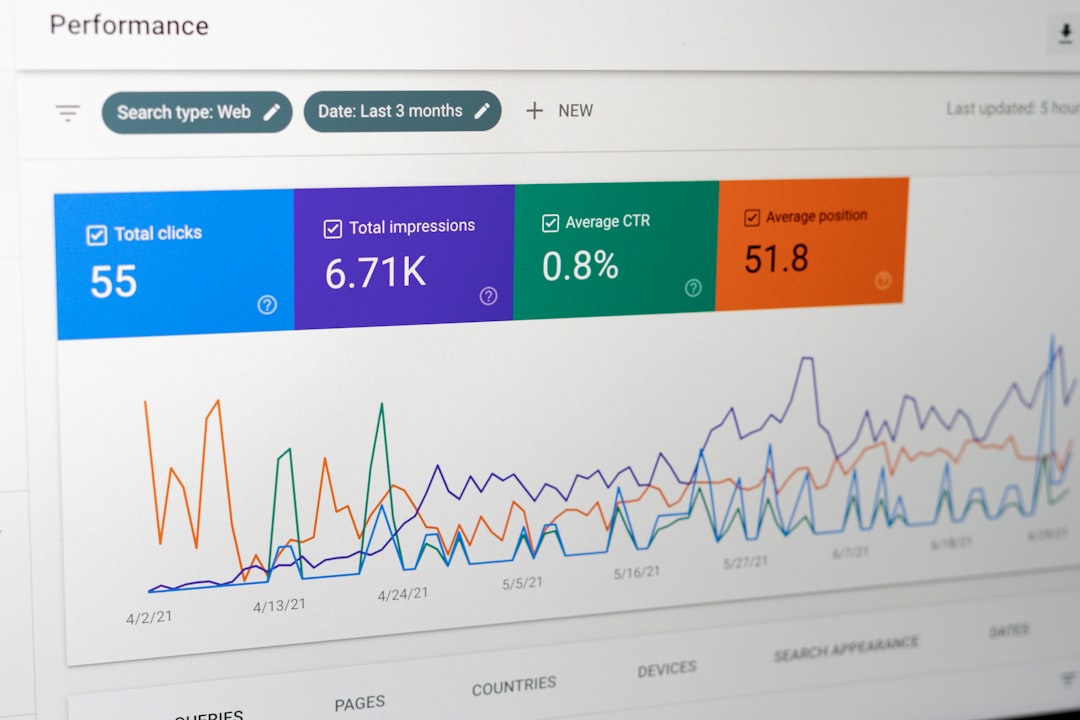
The Google Search Console (GSC) API is arguably the most authoritative data source available for organic search performance. Unlike third-party tools that estimate keyword positions or traffic, GSC provides direct insights from Google itself.
Key strengths:
- Actual query impressions, clicks, CTR, and positions
- URL-level performance data
- Indexing and coverage reports
- Mobile usability alerts

For automation, this API allows teams to:
- Generate performance dashboards
- Detect ranking drops automatically
- Alert on indexing issues
- Segment keyword data by device or geography
Limitations: It only returns data for properties you own and lacks competitive intelligence. However, for first-party performance monitoring, it is indispensable.
2. Ahrefs API
Ahrefs is known for its robust backlink database and competitive intelligence tools. Its API grants programmatic access to much of that data, making it powerful for agencies and in-house SEO teams.
Core capabilities:
- Backlink indexing and referring domain data
- Domain rating metrics
- Keyword rankings and difficulty scores
- Organic traffic estimations
This API is particularly useful for:
- Automated backlink monitoring and alerts
- Competitor link gap analysis
- Prospecting opportunities for outreach campaigns
- Integrating authority metrics into internal scoring models
The strength of Ahrefs lies in its massive link index, which makes it highly valuable for off-page automation workflows. For teams prioritizing link-building strategy, this is one of the most reliable alternatives available.
3. Semrush API
Semrush offers one of the most comprehensive SEO toolsets, and its API reflects that breadth. From keyword research to backlink analysis and advertising intelligence, it serves as a multi-functional automation engine.
Highlights include:
- Keyword research data across global databases
- Competitor traffic estimations
- SERP feature tracking
- Backlink analytics
Automation use cases include:
- Building internal keyword discovery tools
- Tracking featured snippet volatility
- Creating automated competitor monitoring dashboards
- Scaling content gap analyses
While pricing can be significant at scale, Semrush’s API flexibility and comprehensive data make it attractive for enterprise integrations.
4. Moz API
Moz provides long-standing SEO metrics such as Domain Authority (DA) and Page Authority (PA), which remain widely used as comparative benchmarks. Its API offers accessible and cost-effective integration options.
Features:
- Authority metrics
- Spam score assessment
- Linking domain information
- Top-ranking keywords
The Moz API is particularly well-suited for:
- Automating authority evaluations in CRM systems
- Scoring backlink prospect lists
- Large-scale domain quality filtering
While its link index may not always be as extensive as Ahrefs, Moz remains a dependable choice for authority benchmarking within automation pipelines.
5. SerpAPI
For teams that require real-time search engine results pages (SERP) data, SerpAPI provides structured scraping across Google, Bing, Yahoo, and even platforms like YouTube and Amazon.
Advantages:
- Real-time SERP extraction
- Support for local search and geo-targeting
- Featured snippet and rich result tracking
- No need to manage proxy infrastructure

SerpAPI is ideal for:
- Monitoring SERP feature changes
- Tracking competitor ad placements
- Capturing People Also Ask box data
- Automating local pack performance tracking
Unlike bulk keyword position APIs that update periodically, SerpAPI excels when immediate, accurate SERP replication is essential.
6. Screaming Frog SEO Spider API
Technical SEO automation requires crawling capabilities. Screaming Frog’s integration and API features allow for automated site audits and data exports.
Primary strengths:
- Full-site crawling data
- Extraction of metadata, headers, structured data
- Integration with Google Analytics and Search Console
- Custom extraction via XPath or CSS selectors
This API integration allows:
- Scheduled technical audits
- Automated error reporting
- Detection of broken links at scale
- Monitoring of canonical and indexation tags
For large websites, combining Screaming Frog output with warehouse storage enables continuous technical SEO monitoring.
7. Google PageSpeed Insights API
Core Web Vitals are now a formal ranking factor. The PageSpeed Insights API provides machine-accessible performance metrics directly from Google’s Lighthouse engine.
Metrics available:
- Largest Contentful Paint (LCP)
- First Input Delay (FID)
- Cumulative Layout Shift (CLS)
- Opportunities and diagnostics data
Automation scenarios:
- Monitoring Core Web Vitals regressions
- Alerting developers about performance drops
- Tracking performance improvements over time
When integrated with CI/CD pipelines, this API helps ensure performance standards remain intact after deployments.
8. Bright Data or Custom Scraping APIs
For organizations that require maximum flexibility, proxy-based scraping platforms like Bright Data enable custom SERP data collection. While this approach requires more engineering oversight, it offers:
- Unlimited search query coverage
- Highly tailored scraping parameters
- Cross-platform tracking beyond Google
However, compliance, maintenance, and anti-bot mitigation must be carefully managed. This approach is better suited to technically mature teams.
Choosing the Right API Stack
Instead of searching for a single “best” solution, leading organizations build layered SEO automation systems:
- First-party data: Google Search Console API
- Backlink intelligence: Ahrefs or Moz API
- Competitor and keyword research: Semrush API
- Real-time SERP replication: SerpAPI
- Technical audits: Screaming Frog + PageSpeed API
This modular approach allows teams to adapt as algorithms evolve and competitive landscapes shift.
Final Thoughts
SEO automation is no longer optional for digital growth—it is foundational. While DataForSEO remains a valuable provider, the broader ecosystem of APIs offers increasingly specialized solutions that can refine strategy, improve reliability, and increase scalability.
The most resilient automation frameworks rely on:
- Authoritative first-party data
- Independent validation sources
- Real-time SERP intelligence
- Continuous technical monitoring
By thoughtfully selecting and integrating the right APIs, organizations can build a data-driven SEO infrastructure that is both adaptable and future-proof. In an environment where search visibility directly impacts revenue and brand authority, investing in a diversified automation stack is not just a technical decision—it is a strategic one.
