
The Flux Computing Shortlist: 4 Companies Advancing High-Performance Computing
The strongest high-performance computing shortlist pairs NVIDIA, AMD, HPE Cray, and Cerebras, because each one pushes a different bottleneck: accelerators, CPUs, full systems, or wafer-scale AI compute. The urgency is real. The El Capitan supercomputer reached 1.742 exaflops on the HPL benchmark in 2024 [source: TOP500], which shows how fast the ceiling is rising for research, AI, weather, energy, and national labs.
TLDR
TLDR: The Flux Computing Shortlist highlights four companies that matter most in modern HPC: NVIDIA, AMD, HPE Cray, and Cerebras. NVIDIA owns much of the GPU software stack, AMD is closing hard on CPU and accelerator performance, HPE Cray builds full supercomputing systems, and Cerebras takes a bold wafer-scale route for AI workloads. For example, a research group moving from 40 older GPU nodes to 64 newer accelerator nodes could cut a 7-day model run to about 3 days if scaling stays near 70%. That is the kind of gain that changes grant timelines, lab output, and product testing.
Why This Shortlist Matters
High-performance computing is no longer only for physics labs and national security teams. It now drives drug discovery, fraud detection, climate models, chip design, and large AI training. The hard part is that buyers rarely need “the fastest chip” alone. They need fast memory, strong networking, stable software, cooling, storage, and support that does not fall apart at 2 a.m.
Honestly, it feels like HPC teams still lose too much time to basic setup pain. A job can sit in a queue for 35 minutes, fail over a driver mismatch, then force an engineer to read logs instead of doing science. That is why the company behind the hardware matters as much as the benchmark.
1. NVIDIA: The Accelerator Powerhouse
NVIDIA remains the default name in GPU-based HPC. Its strength is not only raw silicon. It is the full stack around it. CUDA, cuDNN, NCCL, and strong developer support make NVIDIA hard to replace in AI and simulation work.
- Best fit: AI training, molecular modeling, simulation, digital twins.
- Main strength: Mature GPU software and developer trust.
- Possible pain: Cost and supply can frustrate smaller teams.
For many labs, NVIDIA is the safe pick. That matters when deadlines are tight. Teams do not want clever hardware if six key libraries break on day one.
2. AMD: The CPU and GPU Challenger
AMD has become a serious force in HPC through EPYC processors and Instinct accelerators. Its CPUs offer high core counts, strong memory bandwidth, and good power efficiency. That makes them attractive for both traditional simulation and newer AI workloads.
AMD’s ROCm software has improved, though some teams still report rough edges compared with CUDA. The catch is that savings on hardware can be eaten by porting time if a codebase has years of NVIDIA-specific work inside it.
- Best fit: mixed CPU-heavy and GPU-heavy clusters.
- Main strength: strong price-to-performance options.
- Possible pain: software migration can take longer than planned.
3. HPE Cray: The Full-System Builder
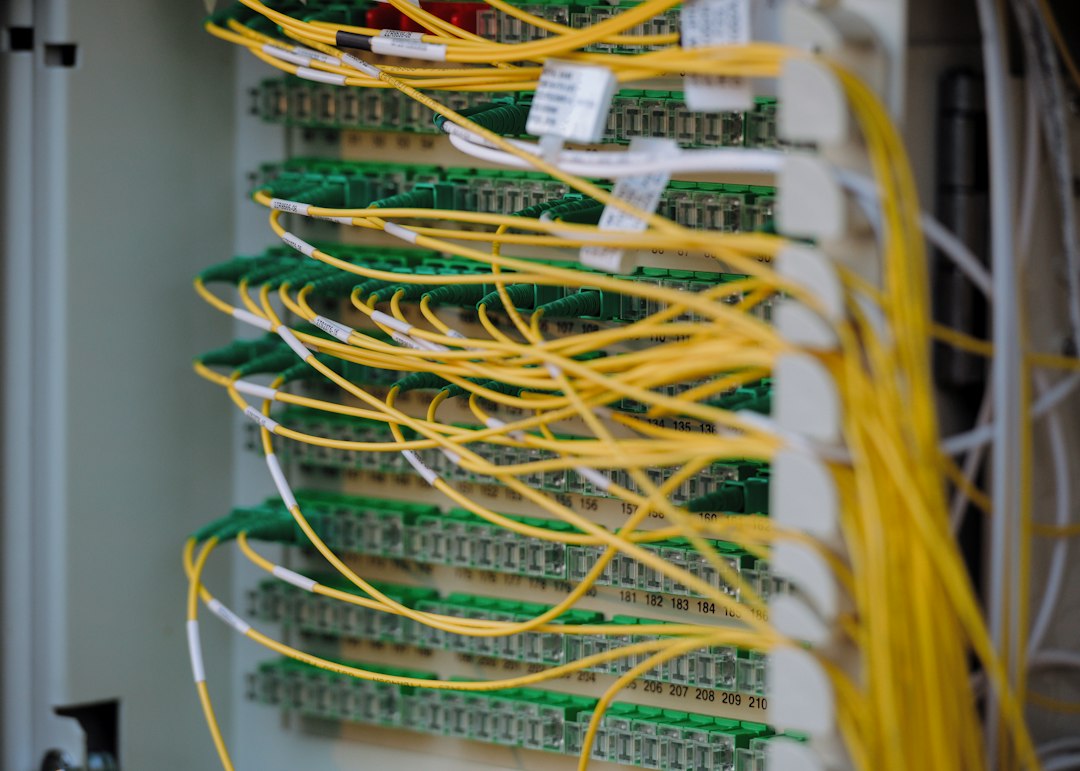
HPE Cray stands out because it sells more than parts. It designs large-scale systems, interconnects, cooling setups, and support plans for major institutions. That is valuable when a project involves thousands of nodes and years of uptime goals.
Cray systems have a long history in national labs. Today, HPE’s role is practical: make huge machines behave as one usable system. That includes Slingshot networking, management tools, node design, and service support.
- Best fit: national labs, universities, energy research, government programs.
- Main strength: complete HPC system design.
- Possible pain: large deployments need long planning cycles.
4. Cerebras: The Wafer-Scale AI Bet
Cerebras takes a different route. Instead of linking many small chips in the usual way, it builds wafer-scale processors aimed at huge AI workloads. This design reduces some bottlenecks caused by moving data across many separate GPUs.
Cerebras is not the default choice for every HPC center. It fits best where AI model training or inference is the main job. Still, its approach gives buyers another option when classic clusters feel too complex or slow to tune.
- Best fit: large AI models, scientific AI, fast model iteration.
- Main strength: unusual architecture built for scale.
- Possible pain: fewer teams already know the platform well.
How Buyers Should Compare Them
The best choice depends on workload first. A lab running fluid models may need a different setup than a company training language models. Storage also matters. Data pipelines can choke expensive compute if they are underbuilt. Teams comparing local workstations and cluster access may also care about operating systems, especially when weighing Windows and Linux for everyday computing.
Procurement teams should also budget for memory, drives, cables, backup gear, and spare parts. Deals on supporting hardware can help, especially from vendors such as Other World Computing when labs need workstation upgrades or external storage around the main cluster.
FAQ
- What is the Flux Computing Shortlist?
It is a focused list of four companies pushing high-performance computing through accelerators, CPUs, full systems, and AI-focused chip design. - Which company is best for AI training?
NVIDIA is often the safest choice because of its software tools. Cerebras can be strong for large AI workloads where its wafer-scale design fits. - Is AMD a real HPC option?
Yes. AMD EPYC CPUs and Instinct accelerators are used in major systems. The main question is software fit. - Why does HPE Cray matter?
HPE Cray builds complete supercomputing systems. That helps large labs manage networking, cooling, scaling, and support. - What should buyers check first?
They should check workload type, software support, memory needs, power limits, cooling, and staff skill before choosing hardware.
