
The Proxy Provider Shortlist: 6 Residential Proxy Services Worth Knowing in 2026

Bright Data, Oxylabs, Decodo, SOAX, NetNut, and IPRoyal are the six residential proxy providers most teams should compare first in 2026. Residential proxies matter because price tracking, ad checks, search monitoring, fraud research, and market data collection all run into blocks when traffic comes from obvious data center IPs. With global retail ecommerce sales projected to reach about $6.86 trillion in 2025, clean regional data is no small thing [source: Statista].
TLDR: If you need scale and strict controls, start with Bright Data or Oxylabs. If you want a simpler setup and fair pricing, compare Decodo, SOAX, and IPRoyal. For example, a retail team checking 50,000 product pages per day across 12 countries may cut block rates from 20% to under 5% by using rotating residential IPs with city targeting. NetNut is worth a look when speed and stable sessions matter more than the lowest price.
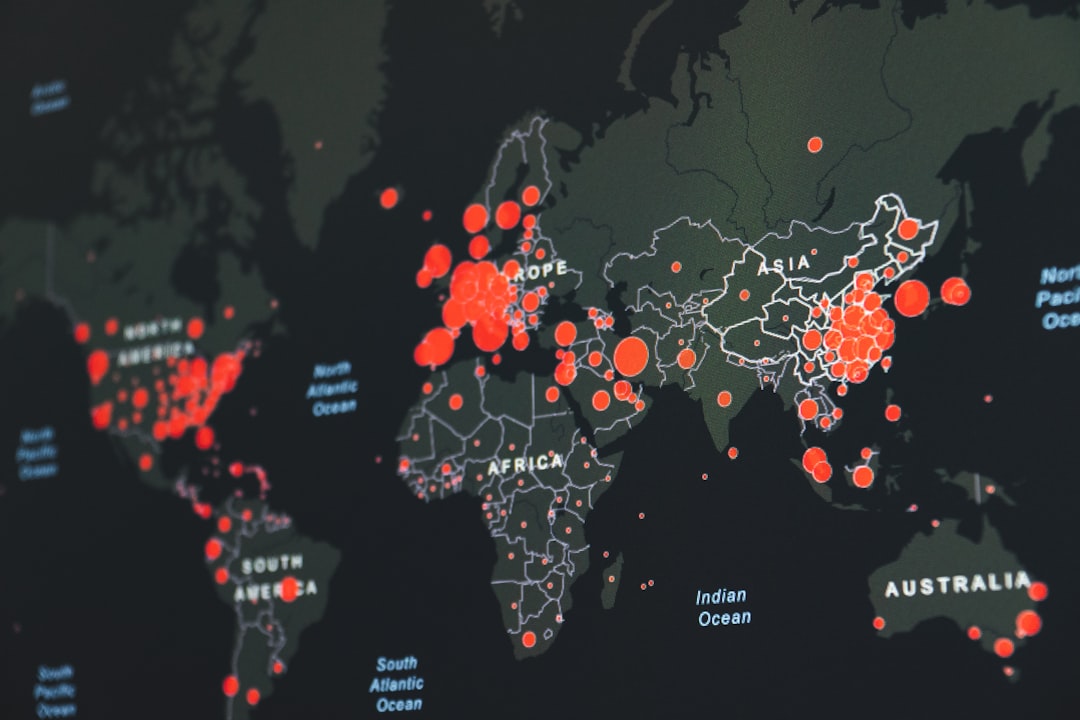
What makes a residential proxy provider worth shortlisting?
A residential proxy routes your request through an IP tied to a real home internet connection. That makes it look more like normal user traffic. The good providers add clean sourcing, clear country coverage, session control, rotation rules, and support that does not disappear when your scraper breaks at 2 a.m.
The catch is that most proxy sites sound the same. “Millions of IPs” means little if the pool is slow, reused too often, or weak in the countries you need. So the better question is simple: Which provider fits the job?
1. Bright Data
Best for: large teams, compliance-heavy projects, and advanced targeting.
Bright Data is one of the biggest names in residential proxies. It offers wide geo coverage, city-level targeting, rotating and sticky sessions, and tools for scraping public web data. The platform is powerful, but it can feel heavy at first. Honestly, it feels like you need a small onboarding map just to pick the right product line.
Choose Bright Data if your team needs scale, audit-friendly controls, and many scraping options under one roof. It is not usually the cheapest path, but it is built for serious data work.
2. Oxylabs
Best for: enterprise scraping, clean infrastructure, and managed support.
Oxylabs is another premium choice. Its residential proxy pool is large, stable, and strong in many regions. The company also offers scraper APIs, which helps teams that do not want to build every crawler from scratch.
The main appeal is reliability. If a project pulls millions of pages each month, downtime gets expensive fast. Oxylabs is a good fit for retailers, travel data firms, SEO platforms, and cybersecurity teams that need fewer surprises.
Image not found in postmeta
3. Decodo
Best for: small and mid-sized teams that want ease of use.
Decodo, known for years as Smartproxy, has built a strong name around simple residential proxies. The dashboard is clean, setup is quick, and the plans are easier to understand than many enterprise tools.
This is a good pick for price monitoring, social media checks, search result testing, and basic web scraping. It may not offer the deepest control in every niche case, but it gets many common jobs running without a long setup call.
4. SOAX
Best for: precise targeting and flexible rotation.
SOAX stands out for granular filtering. You can often target by country, region, city, and carrier, depending on availability. That helps when your use case depends on seeing the web as a user in a very specific place.
SOAX is useful for ad verification, app testing, localized search checks, and regional pricing audits. Expect to waste time tuning filters if you go too narrow. A tiny city plus a rare carrier can shrink the usable pool fast.
5. NetNut
Best for: faster sessions and serious data collection.
NetNut takes a different route from many peer-to-peer residential providers. It is known for ISP-sourced connectivity and stable performance. That can help when you need longer sessions or lower latency.
It is a strong option for data teams that care about speed and session quality. The interface is more business-focused than beginner-friendly, so casual users may prefer Decodo or IPRoyal. For larger scraping flows, though, NetNut deserves a close look.
6. IPRoyal
Best for: budget-conscious users and lighter workloads.
IPRoyal is popular with smaller teams because entry pricing is friendly and the product is easy to test. It offers residential proxies with country targeting and rotating options. The platform is not as polished as the top enterprise tools, but the value is hard to ignore.
Use IPRoyal for smaller research tasks, local testing, sneaker data checks, and early-stage scraping projects. If your block rate rises, you may need to adjust rotation, slow request speed, or move to a larger pool.
How to choose without overthinking it
- Pick Bright Data if compliance, scale, and advanced controls matter most.
- Pick Oxylabs if you want enterprise support and strong scraping tools.
- Pick Decodo if you want a clean setup and solid everyday performance.
- Pick SOAX if city and carrier targeting are key.
- Pick NetNut if speed and stable sessions are the priority.
- Pick IPRoyal if budget matters and your volume is modest.

A quick warning before you buy
Do not judge a provider only by the advertised IP count. Test the countries you need. Measure failed requests, median response time, and block rate over at least a few thousand requests. A proxy pool that works well in the United States may be weak in Brazil, India, or Japan.
Also, keep your use legal and respectful. Residential proxies should be used for public data, testing, research, and security work. Avoid account abuse, spam, and anything that breaks site rules or user trust.
The best provider in 2026 is not the one with the flashiest homepage. It is the one that gives you clean IPs, clear controls, fair pricing, and fewer headaches when real traffic starts flowing.
