
Restaurant Guru vs Google Maps vs Tripadvisor: Which Review Platform Is Most Useful?
Google Maps is the most useful review platform for everyday dining decisions, while Tripadvisor is better for travel planning and Restaurant Guru works best as a quick comparison tool. Google says Maps is used by more than 1 billion people every month, which gives it a huge edge for current local reviews, opening hours, photos, and directions [source: Google]. For most diners, that mix saves time.
TLDR: Google Maps wins for daily restaurant searches because it combines reviews, location, menus, photos, and live business details in one place. Tripadvisor is stronger when a traveler wants ranked tourist spots in a new city, such as finding the top 10 restaurants near the Colosseum. Restaurant Guru is useful when someone wants ratings from several sites side by side, but it often sends the person elsewhere to act. A practical choice: for a 20-minute lunch search nearby, Google Maps is usually fastest; for a holiday dinner, Tripadvisor may give richer trip context.
Quick Verdict
- Best overall: Google Maps
- Best for tourists: Tripadvisor
- Best for cross-checking ratings: Restaurant Guru
- Best for restaurant owners: Google Maps, then Tripadvisor
Each platform answers a different question. Google Maps answers, “Where should someone eat right now?” Tripadvisor answers, “What is popular with visitors?” Restaurant Guru answers, “How do ratings compare across the web?”
Google Maps: Best for Real-Time Decisions
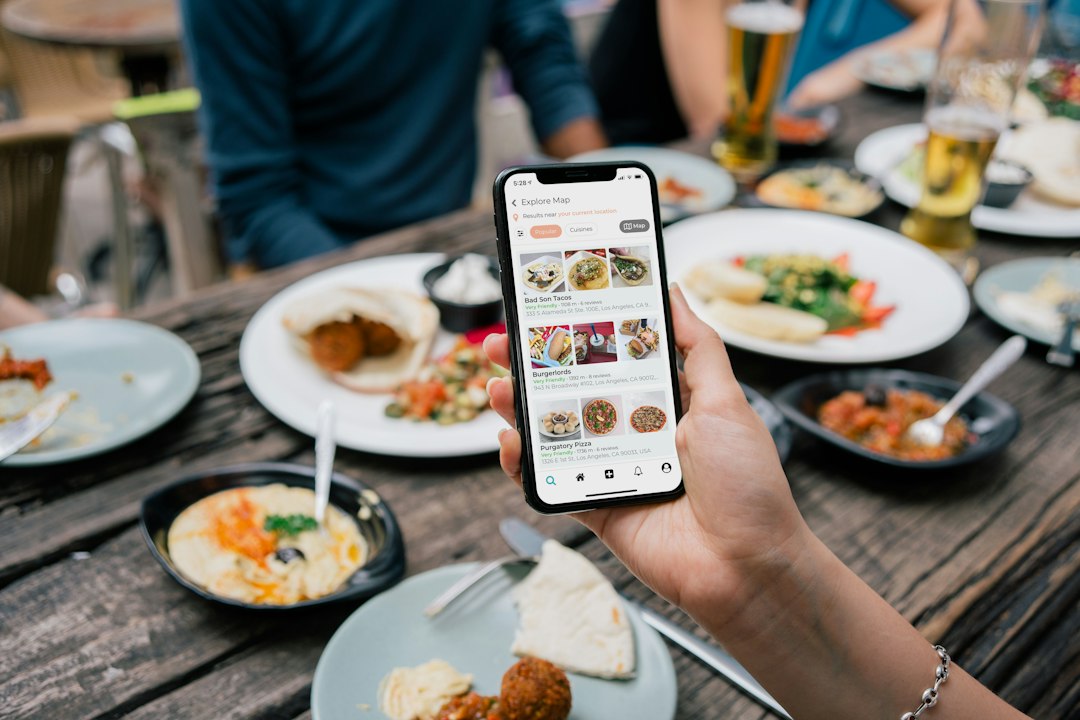
Google Maps is hard to beat because it sits inside the search process. A diner can search “pizza near me,” check ratings, scan photos, see how busy the place is, call the restaurant, book a table, and get directions. That is a lot of value in one screen.
The review volume is usually high, especially in cities. This helps because one angry review matters less when a restaurant has 2,000 ratings. Photos also feel practical. Diners can check portion size, seating, lighting, and whether the burger looks like the menu photo or a sad afterthought.
The catch is that Google reviews can be messy. Short reviews like “good food” or “bad service” do not say much. Some ratings also look suspicious. It drives diners mad when a place has 4.8 stars, but the newest photos show cold fries and half-empty tables.
Still, Google Maps is the best platform for speed. Its strongest feature is not just reviews. It is the full decision path, from search to arrival.
Tripadvisor: Best for Travel and Tourist Areas
Tripadvisor is built around travel behavior. It shines when someone is visiting a city and wants safe picks near hotels, landmarks, beaches, museums, or airports. The rankings, traveler photos, and long reviews can help reduce risk.
Tripadvisor reviews often include context. A reviewer may mention a family dinner, a business lunch, a vegan option, or a rushed meal before a tour. That detail helps travelers who have no local knowledge.
It also has useful filters. Restaurants can be sorted by cuisine, price, meal type, dietary needs, and location. For a tourist with limited time, that can be helpful.
Still, Tripadvisor can feel too tourist-heavy. Local favorites sometimes rank lower than places that appeal to visitors. A restaurant next to a major attraction may collect thousands of reviews, while a better spot six streets away gets ignored. Honestly, it feels like popular does not always mean best.
Restaurant Guru: Best for Comparing Scores
Restaurant Guru works like a rating hub. It gathers information from several review sources and presents a combined view. This can be useful when a diner wants a fast second opinion before booking.
Its biggest strength is comparison. If a restaurant looks great on Google but weak elsewhere, that may raise a flag. If ratings are strong across multiple sites, confidence goes up.
Restaurant Guru also lists menus, photos, price ranges, and review snippets. In some cases, it shows badges or rankings that restaurants display on their own websites.
The weakness is action. Restaurant Guru is often not the final stop. A diner may still return to Google Maps for directions, Tripadvisor for travel reviews, or the restaurant website for booking. Expect to waste time on extra clicks if the goal is to reserve a table fast.

Which Platform Has the Most Trustworthy Reviews?
No platform is perfect. Google Maps has scale. Tripadvisor has travel detail. Restaurant Guru has comparison value. Trust depends on how reviews are read.
A smart diner looks beyond the star rating. A 4.6 score with 80 reviews may be weaker than a 4.3 score with 3,000 reviews. Recent reviews matter more than old praise. Photos from customers matter more than polished marketing shots.
Patterns also matter. One complaint about slow service may mean little. Twenty complaints in the past month mean something changed. The same rule works for praise. If many people mention kind staff, fresh pasta, or fast lunch service, that is useful.
Best Platform by Use Case
- Quick meal nearby: Google Maps is the clear pick.
- Vacation restaurant planning: Tripadvisor is stronger.
- Checking if ratings match across sites: Restaurant Guru helps.
- Finding opening hours and directions: Google Maps wins.
- Reading longer traveler reviews: Tripadvisor works better.
- Spotting rating gaps: Restaurant Guru is useful.
What About Restaurant Owners?
For restaurant owners, Google Maps matters most because it affects local discovery. A strong Google profile can bring foot traffic, calls, and delivery clicks. Updated hours, good photos, and fresh replies to reviews can help a lot.
Tripadvisor is still valuable in tourist towns. A café near a station, beach, gallery, or hotel district should not ignore it. Restaurant Guru is less direct, but it can support reputation if ratings are strong across the web.
Owners should not chase every platform equally. They should keep Google accurate, watch Tripadvisor if tourists matter, and monitor Restaurant Guru for rating mismatches.
Final Winner
Google Maps is the most useful review platform for most people. It gives diners the fastest path from search to table. Tripadvisor is a close second for travel. Restaurant Guru is best as a backup check.
The best method is simple: start with Google Maps, check Tripadvisor for travel-heavy areas, and use Restaurant Guru when ratings seem odd. That three-step habit gives a clearer view without turning dinner into a research project.
FAQ
Which platform is best for finding restaurants nearby?
Google Maps is best for nearby searches because it combines reviews, distance, hours, photos, calls, and directions.
Is Tripadvisor better than Google Maps?
Tripadvisor is better for travel planning and tourist areas. Google Maps is better for everyday local dining choices.
What is Restaurant Guru useful for?
Restaurant Guru is useful for comparing restaurant ratings from different sources. It helps spot mixed signals before a diner commits.
Which platform has the most reliable ratings?
No rating system is fully reliable. The safest approach is to check recent reviews, customer photos, and repeated comments across more than one platform.
Should restaurant owners focus on all three?
Most should focus first on Google Maps. Restaurants in tourist zones should also pay close attention to Tripadvisor.
