
Predictive Sales Analytics: Clari vs Gong and Other Tools for Forecasting Pipeline and Revenue
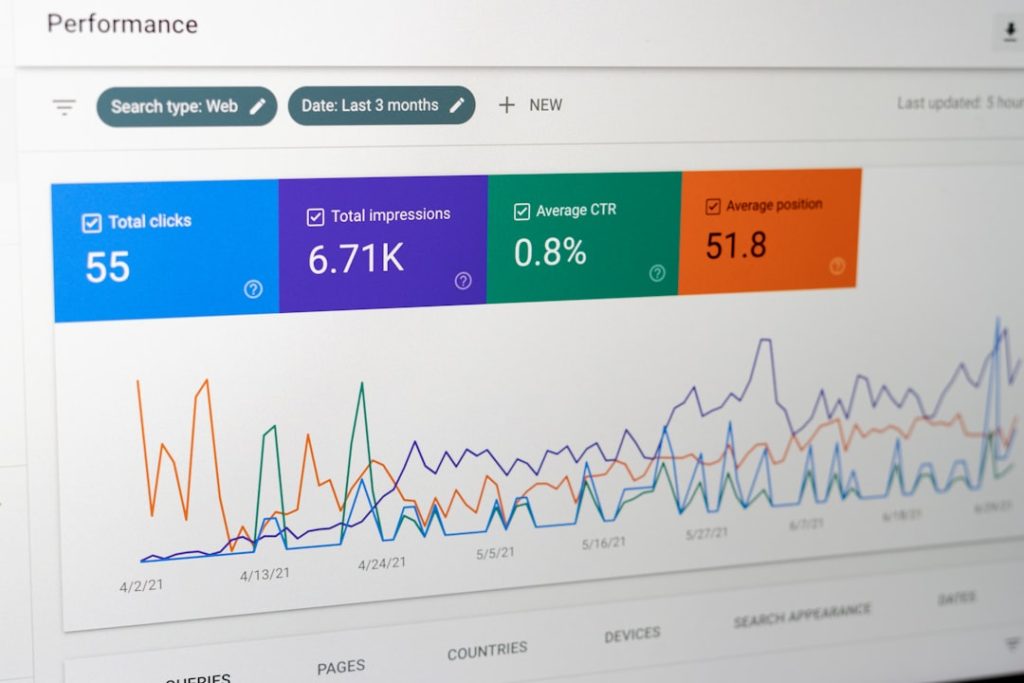
Choose Clari when forecast accuracy, pipeline inspection, and revenue governance are the main goals; choose Gong when deal intelligence, call signals, and rep behavior explain why deals move or stall. Both platforms can support predictive sales analytics, but they answer different questions. Clari is built around forecast control. Gong is strongest when the business needs to understand the buyer conversation behind the number.
TLDR: Clari is usually the better fit for revenue teams that need a structured forecast process across reps, managers, and executives. Gong is stronger for sales leaders who want call data, email signals, next steps, objections, and coaching insights tied to deal risk. For example, a 120-person sales team with a $40 million annual target may use Clari to improve forecast accuracy from 72% to 88%, while Gong may help reduce slipped deals by spotting missing decision-makers or weak next steps earlier. Many mature teams use both, but smaller teams should be careful about cost, setup time, and duplicated data.
What predictive sales analytics really means
Predictive sales analytics uses historical sales data, live CRM activity, buyer engagement, deal age, stage movement, rep behavior, and forecast history to estimate future revenue. It is not magic. It is pattern recognition with business rules, scoring models, and workflow discipline.
A solid forecasting tool should help answer four questions:
- Will this deal close?
- When will it close?
- How much revenue is at risk?
- Which actions can improve the outcome?
The best tools do not just produce a number. They show why the number changed. That matters because a forecast without explainability is just another spreadsheet with nicer colors.
Clari: best for forecast discipline and revenue control
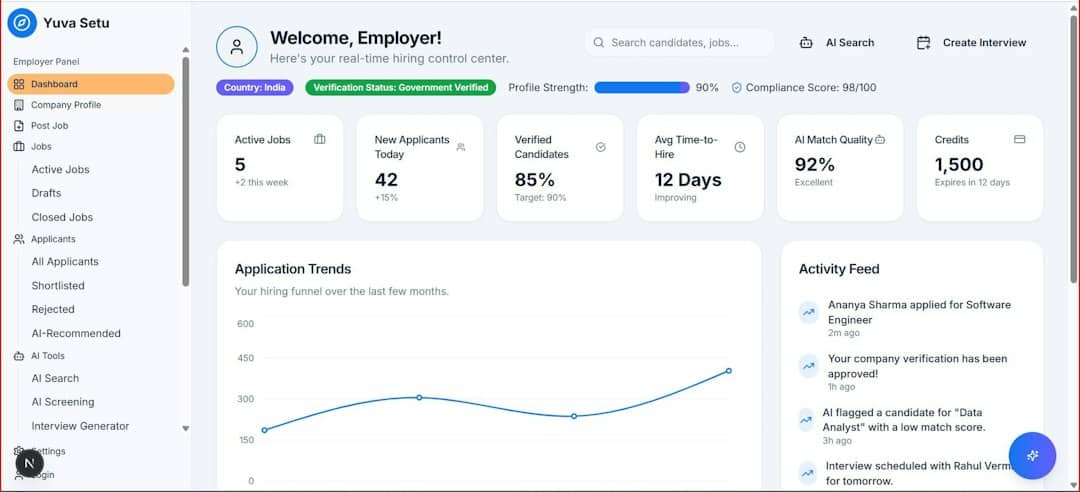
Clari is designed for revenue teams that need tight control over pipeline, commits, upside, and forecast categories. It is often used by CROs, RevOps teams, frontline managers, and finance partners who need a reliable revenue view by segment, region, product, or rep.
Clari pulls data from CRM systems, activity sources, emails, meetings, and historical performance. It then helps teams inspect deal movement, forecast calls, coverage gaps, and risk. Its strength is structure. Managers can see which reps changed their commit, which deals slipped, and whether the quarter is still realistic.
Clari is especially useful for:
- Quarterly forecast calls and board reporting.
- Commit, best case, pipeline, and closed-won tracking.
- Pipeline inspection by stage, age, owner, and segment.
- Revenue governance across sales, finance, and operations.
- Identifying forecast gaps before the last two weeks of the quarter.
The downside is setup. Clari needs clean CRM data, agreed forecast definitions, and adoption from managers. Honestly, it feels like some teams buy forecast software before fixing basic sales process hygiene. If close dates are fiction and stages mean different things by region, Clari will expose the mess rather than solve it on day one.
Gong: best for deal intelligence and buyer signals
Gong is known for conversation intelligence, but its role in forecasting has grown. Gong captures calls, emails, meetings, and buyer interactions. It can flag deal risk based on missing next steps, low prospect engagement, lack of executive involvement, competitor mentions, pricing concerns, or weak multi-threading.
Where Clari asks, “What does the forecast say?” Gong often asks, “What is actually happening in the deal?” That distinction matters. CRM fields may show a deal in late stage. Gong may reveal that the buyer has not replied in 17 days, procurement has not joined, and the rep has no confirmed next meeting.
Gong is especially useful for:
- Deal risk detection from real buyer interactions.
- Sales coaching based on calls and email patterns.
- Understanding objections, competitors, and pricing pressure.
- Improving rep behavior and qualification quality.
- Forecast support when CRM notes are thin or outdated.
The catch is that Gong can surface plenty of signals without always giving executives the forecast operating model they want. Expect to waste time if leaders treat it as a pure forecasting system while ignoring the coaching and deal inspection workflows that make it valuable.

Clari vs Gong: practical comparison
| Category | Clari | Gong |
|---|---|---|
| Primary strength | Forecast management and revenue governance | Conversation intelligence and deal risk signals |
| Main users | CROs, RevOps, sales managers, finance | Sales managers, reps, enablement, revenue leaders |
| Best data source | CRM, forecast history, activity data | Calls, emails, meetings, buyer engagement |
| Forecast style | Structured commit and pipeline management | Signal-based deal inspection |
| Risk | Requires process discipline and clean CRM data | Can overwhelm teams with alerts if workflows are loose |
Other tools worth considering
Salesforce Forecasting and Einstein work well for teams already committed to Salesforce. They offer native forecasting, opportunity scoring, and analytics. The benefit is integration. The tradeoff is that advanced insight may need extra configuration, strong admin support, and careful dashboard design.
HubSpot Sales Hub is a strong choice for small and mid-sized teams that need pipeline reporting, forecasting, and deal health without heavy enterprise setup. It is easier to adopt than many larger platforms. It may fall short for complex global forecasting with layered territories, overlays, and multiple product lines.
Outreach and Salesloft add useful engagement data. They show rep activity, sequence performance, prospect response, and meeting conversion. They are not pure forecasting platforms, but their activity data can improve prediction quality when connected to CRM and business intelligence tools.
BoostUp.ai, Aviso, and People.ai also compete in revenue intelligence. BoostUp.ai focuses on forecast accuracy and deal inspection. Aviso is known for AI-driven revenue forecasting and relationship intelligence. People.ai is strong in activity capture and sales productivity analytics.
How to choose the right forecasting tool
Start with the problem, not the vendor. A tool that improves executive forecasting may not fix rep-level deal quality. A tool that records every call may not produce a clean board forecast.
Use Clari if:
- Your forecast calls are inconsistent across teams.
- CRM data exists, but leaders do not trust the rollup.
- You need commit tracking across territories and segments.
- Finance needs better visibility into quarterly revenue risk.
Use Gong if:
- Deals slip because risks appear too late.
- Managers need better coaching evidence.
- Reps are not documenting buyer conversations properly.
- You need to understand objections, competitors, and deal momentum.
Use both if: your company has a large sales team, a serious RevOps function, and enough management discipline to act on the data. Clari can manage the forecast process. Gong can explain deal behavior underneath it. Together, they can support a tighter revenue operating rhythm.

Data quality matters more than software
No predictive platform works well with chaotic inputs. If reps do not update stages, if managers ignore inspection routines, or if finance uses separate definitions, accuracy will suffer. The software may still look polished, but the forecast will remain weak.
A useful benchmark is forecast variance. If the sales team calls $10 million for the quarter and closes $7.6 million, variance is 24%. A good analytics program should reduce that gap over several quarters. It should also explain which deals moved, why they moved, and whether the same pattern is repeating.
Adoption also matters. Reps need tools that save time, not add another administrative chore. Managers need clear views, not 42 dashboards that all say slightly different things. Executives need one trusted revenue number, backed by inspection data.
Final recommendation
Clari is the stronger choice for formal revenue forecasting. It is built for pipeline governance, forecast calls, and executive-level revenue confidence. Gong is the stronger choice for understanding deal reality. It helps teams spot risk in buyer conversations and coach reps with evidence.
For many companies, the best answer is not Clari versus Gong. It is deciding which problem hurts more right now. If the board does not trust the forecast, start with Clari. If deals keep slipping for reasons managers discover too late, start with Gong. If both are true, fix your sales process first, then invest in the tools that reinforce it.
